In memory of
Charles Grandison Bryant
1850
- Their country
- United States of America
- Killed that day
- January 12, 1850, aged 47
Their life
Bryant, architect and military adventurer, became a well known builder in Maine and was rising through the ranks of the local militia. He and two fellow militia officers opened a school to train volunteers for the Canadian Rebellion of 1837. He was arrested in July 1838 for breaking the neutrality laws, but jumped bail to prepare for the invasion of Canada. The invasion failed and with Bryant deep in debt he fled to Galveston. He later told people he escaped the day before his execution in Canada. He became a builder and architect and joined the local militia. He served in the Texas militia during the Mexican invasion of Texas in 1842.
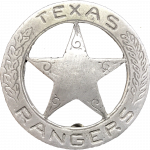
By 1849 Bryant, now a major in the Texas Rangers, was mustering officer and commissary for three companies called to respond to Indian depredations on the western frontier. These ranger companies included Captains John S. “Rip” Ford, John G. Grumbles and Charles M. Blackwell. Major Bryant had official business in Austin and left Corpus Christi on horseback on January 12, 1850. After crossing Chocolate Bayou ten miles from Nuestra Señora del Refugio Mission, the Bryant encountered a raiding party of Lipan Apaches. In the skirmish that followed, Bryant was killed. In recognition of his service, the Texas legislature awarded his heirs 640 acres of land in Montague County.
Bryant was survived by his wife and six children. His place of burial is unknown. His son, Andrew Jackson Bryant, was wounded during a Texas naval engagement against Mexico in 1843. Later that year he drowned when his ship sank en route to New York for medical treatment.
Bryant, architect and military adventurer, became a well known builder in Maine and was rising through the ranks of the local militia. He and two fellow militia officers opened a school to train volunteers for the Canadian Rebellion of 1837. He was arrested in July 1838 for breaking the neutrality laws, but jumped bail to prepare for the invasion of Canada. The invasion failed and with Bryant deep in debt he fled to Galveston. He later told people he escaped the day before his execution in Canada. He became a builder and architect and joined the local militia. He served in the Texas militia during the Mexican invasion of Texas in 1842.
Bryant was survived by his wife and six children. His place of burial is unknown. His son, Andrew Jackson Bryant, was wounded during a Texas naval engagement against Mexico in 1843. Later that year he drowned when his ship sank en route to New York for medical treatment.
Survived by
Bryant was survived by his wife and six children.
What people have said
Nobody has said anything for Charles Grandison Bryant yet.