Every site on NeuraWeb has a .nw name, and that name is a permanent identity. This site, requiem.nw, is registered to and run by NeuraWeb Global, Inc. Visit it through Navigator and your visit is private by design: no one watches, tracks or collects from you.
Secure unesites use HTTPS and UNES
Look for a lock, https:// or unes:// at the start of the address. Each one means your connection is encrypted and you're on the official site. UNES is NeuraWeb's own secure connection, the one Navigator uses. HTTPS is the same protection on the open web. Only share personal information on a site that shows one of these.
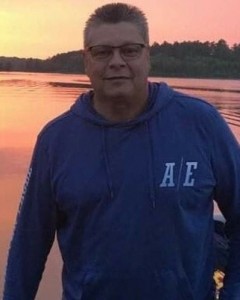
Agent Miguel Martínez-Ortiz died after contracting COVID-19 while on duty.
Agent Martínez-Ortiz had served with the Puerto Rico Police Department for 28 years and was assigned to a federal Homeland Security Investigations task force.
Beginning in early 2020, thousands of law enforcement officers and other first responders throughout the country began to contract COVID-19 during the worldwide pandemic. Due to the nature of their job, law enforcement officers were required to work and interact with the community even as the majority of the country was self-quarantined. As a result, hundreds of officers died from COVID-related illnesses and other complications.
Corrections agencies, in particular, suffered tremendous losses due to the constant and close proximity between the corrections officers and large inmate populations. Since March 2020, ODMP has verified that over 900 law enforcement officers have died as the result of a confirmed or presumed exposure while on duty and continues to work with hundreds of other agencies that have suffered a COVID-related death.
Visit ODMP's COVID-19 memorial listing every officer who has died as a result of a confirmed or presumed exposure.
COVID-19
January 1, 2020
In the first months of 2020 a new coronavirus spread from country to country faster than anything could be done to stop it. Hospitals filled, cities closed, and the dead were counted in the millions.
While much of the world stayed home, some could not. Police and corrections officers kept answering calls, making arrests, moving prisoners and working face to face with the public, and many caught it doing the job. Corrections officers were hit hardest: confined facilities and large populations meant close, constant exposure.
They are the first named here. They will not be the last. Nurses, doctors, paramedics, firefighters and the people who kept everything else running died of it too, and people are dying of it still.