Every site on NeuraWeb has a .nw name, and that name is a permanent identity. This site, requiem.nw, is registered to and run by NeuraWeb Global, Inc. Visit it through Navigator and your visit is private by design: no one watches, tracks or collects from you.
Secure unesites use HTTPS and UNES
Look for a lock, https:// or unes:// at the start of the address. Each one means your connection is encrypted and you're on the official site. UNES is NeuraWeb's own secure connection, the one Navigator uses. HTTPS is the same protection on the open web. Only share personal information on a site that shows one of these.
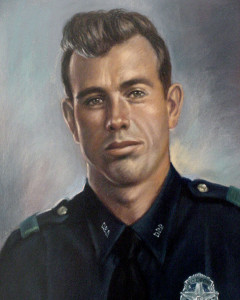
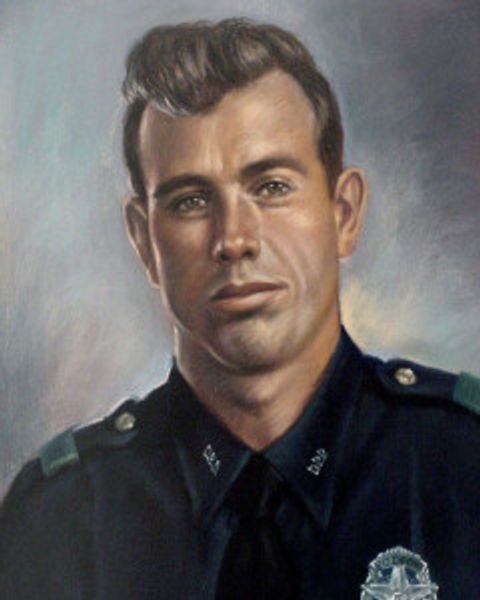
A Dallas patrolman for eleven years, badge 848, and before that a paratrooper.
He was born near Annona in Red River County, the eldest of seven. The initials were his whole name - people took them for Jefferson Davis, but they stood for nothing. He left school after the tenth grade and was raised Baptist and stayed one.
He went into the Army in July 1944 and volunteered for the airborne. He reached the 513th Parachute Infantry in January 1945, not long after the regiment had been cut to pieces in the Ardennes, and in March he jumped the Rhine in Operation Varsity. He was given the Bronze Star, and a Purple Heart for being hit.
Afterwards he sold stoves, fitted for Sears, tried to farm and raise cattle at Lone Star and could not make it pay. He joined the Dallas Police in July 1952. He was cited twice for bravery: in 1956 a man he had stopped put a pistol to his head and pulled the trigger, and the safety was on.
He was earning four hundred and ninety dollars a month and working two other jobs - a barbecue place on Friday and Saturday nights, a cinema on Sundays. He had a wife, Marie, and three children.
On the twenty-second of November he was working beat 78, his own patch in south Oak Cliff. At a quarter to one he was sent toward the centre of the city with everyone else. At about ten past one he pulled alongside a man walking on East Tenth Street who answered the description going out over the radio, and got out of his car. He was shot four times and died where he fell. He was thirty-nine.
His funeral was held on the same day as the president's. Two thousand people came, eight hundred of them police. The nation sent his family six hundred and forty-seven thousand dollars; the man who had filmed the assassination from Elm Street sent twenty-five thousand of it.
How he died
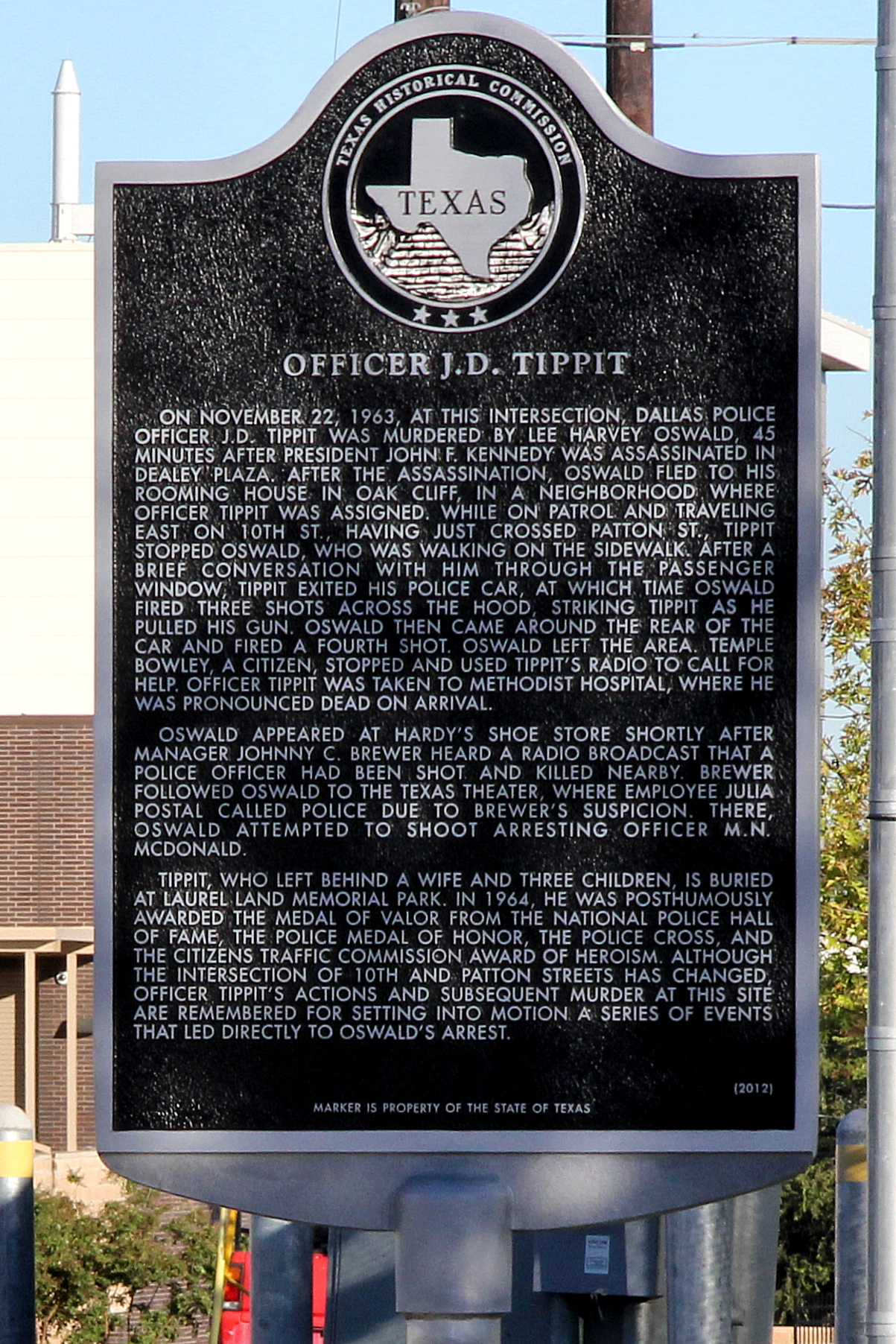
Officer J.D. Tippit was shot and killed while questioning the assassin of President John F. Kennedy at Tenth and Patton Streets. At approximately 1:14 pm, 45 minutes after President Kennedy was shot, Officer Tippit stopped the suspect, Lee Harvey Oswald, who was on foot and fit the general description of the assassin that was being broadcast by the Dallas police radio. After being summoned by Officer Tippit, Oswald came over to the passenger side of the patrol car, where they spoke through an open window. After a brief conversation, Officer Tippit got out of his car, and as he was walking toward the front of his patrol car, Oswald suddenly shot him three times at point-blank range with a .38 caliber revolver. After Officer Tippit fell, he was shot in the head by Oswald, which proved to be the fatal shot. A citizen who witnessed the shooting used the police radio in Officer Tippit's patrol car to alert other officers of the shooting. Oswald was apprehended hiding in a movie theater after he was seen by an alert citizen who witnessed the shooting of Officer Tippit. Oswald was shot and killed two days later by Dallas nightclub owner Jack Ruby while in police custody. Officer Tippit was a United States Army WWII veteran and bronze star recipient and served with the Dallas Police Department for 11 years. He is survived by his wife, daughter, two sons, parents, four brothers, two sisters, and his grandmother. In January 1964, Officer Tippit was posthumously awarded the Medal of Valor from the National Police Hall of Fame and also received the Police Medal of Honor, the Police Cross, and the Citizen's Traffic Commission Award of Heroism. He is buried in Laurel Land Memorial Park in Dallas, Texas.
Survived by
His wife Marie and their children Charles, Brenda and Curtis.
November 22, 1963
November 22, 1963
The motorcade came down Elm Street into Dealey Plaza a little after half past twelve, Central time. The car was open. His wife was beside him and the governor of Texas and his wife were in front of them.
He was hit twice, in the back and in the head. The car ran for Parkland Hospital four miles away and he was pronounced dead there at one o'clock. He was forty-six years old, and he had been president for two years and ten months.
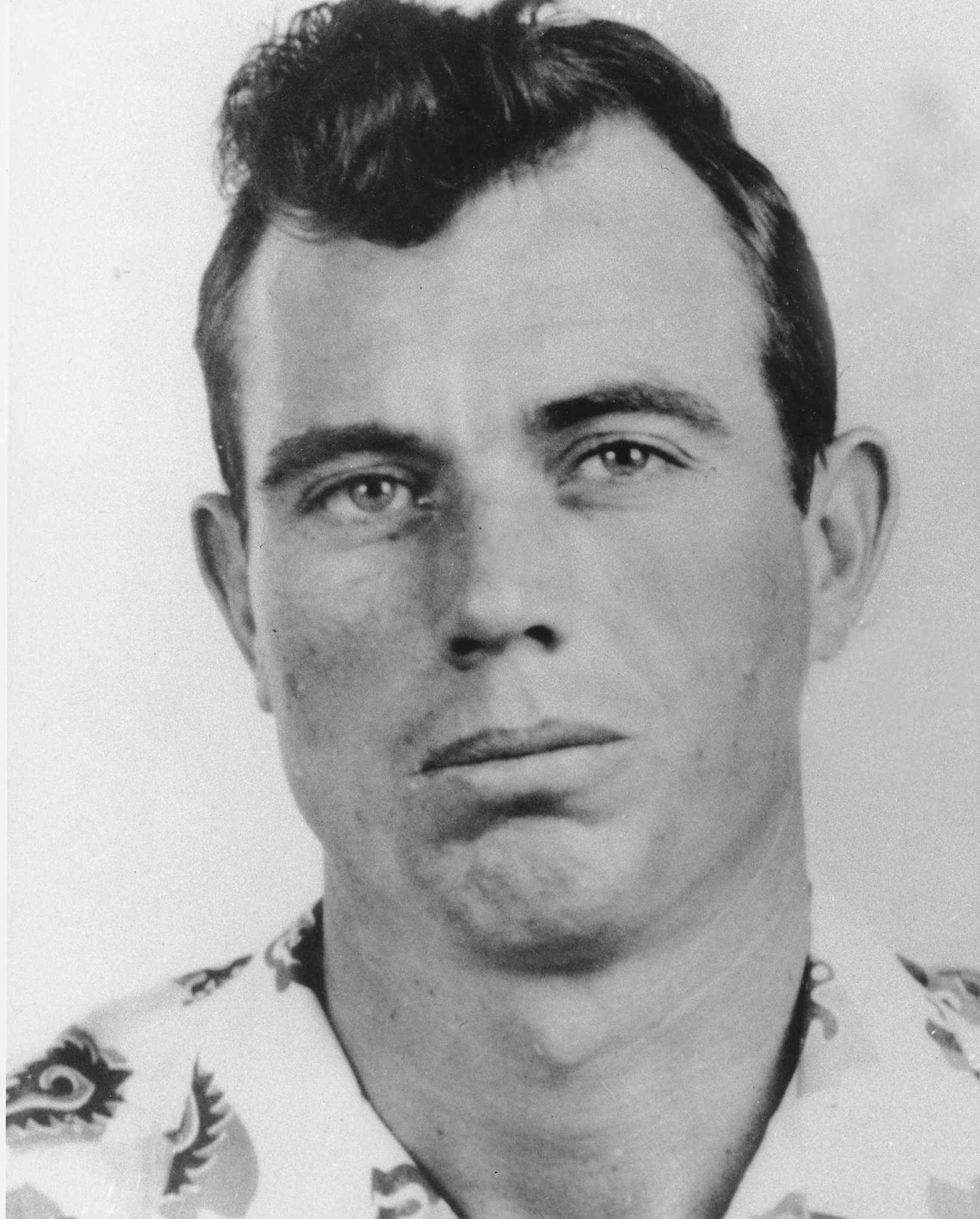
Forty-five minutes after the shots in the plaza, a Dallas police officer named J. D. Tippit stopped a man walking in Oak Cliff and was shot four times beside his patrol car. He was thirty-nine, and he left a wife and three children. The man was arrested in a cinema half an hour later and was himself shot dead two days after that, in the basement of the city jail, in front of the cameras.
What the killing meant, and who else may have been behind it, has been argued over ever since and is argued over still. That argument is not what this page is for. This page is for a Tuesday in Boston in 1917 and a Friday in Dallas in 1963, and the man between them, and the officer who stopped a stranger in the street because it was his job.
The country stopped. It went on afterwards, as countries do. But for four days in November the television carried nothing else, and a quarter of a million people filed past a coffin in the Capitol rotunda through the night, and a great many people who had never met him found they were grieving.
Every other day this gate holds took tens or thousands of people. These took one each.
They are here because the grief was the same shape. A public killing takes something from everybody who was alive for it - that is why a country stops, and why people who never met the man remember exactly where they were standing when they heard.
What each killing meant, and what followed from it, is argued over and in some cases still is. That argument is not what these pages are for. They are for the man or the woman, and the morning, and the people who found they were grieving.