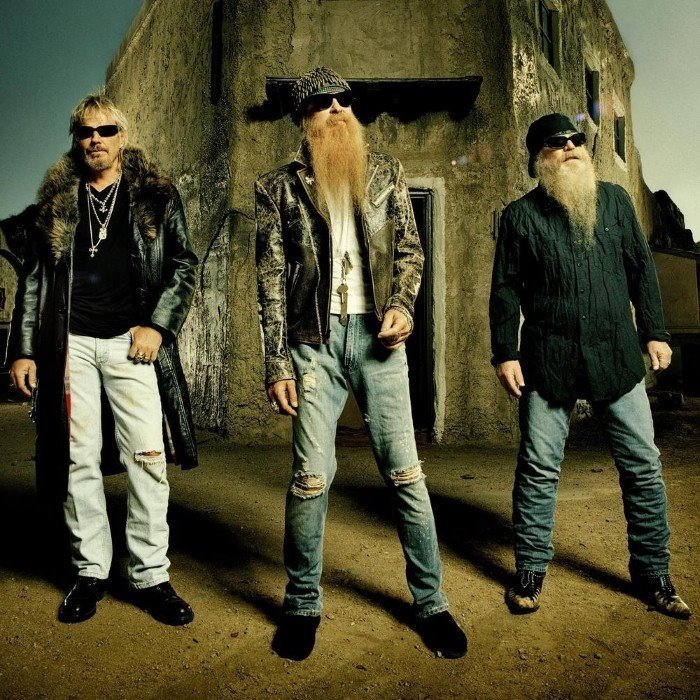
ZZ Top
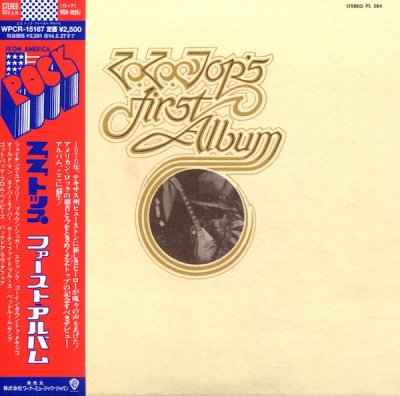
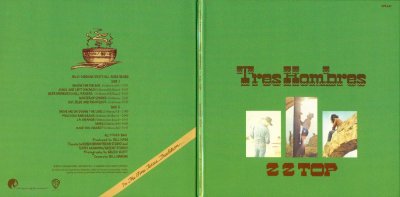
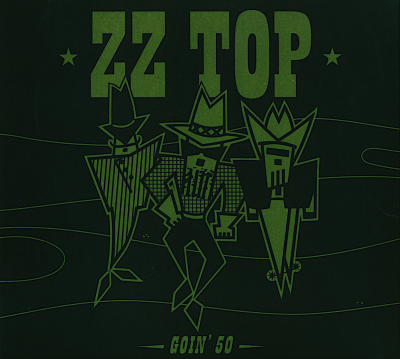
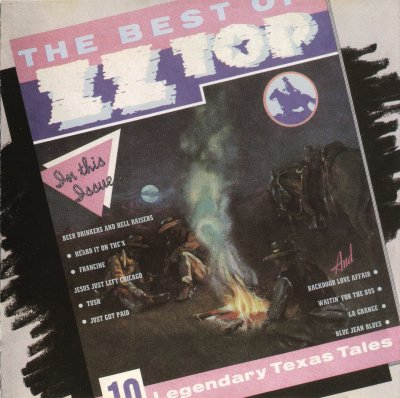
ZZ Top are known as "That Lil' Ol' Band from Texas" — and that's almost an understatement. The band was formed in Houston in 1969 by Billy Gibbons on guitar and vocals, Dusty Hill on bass and vocals, and Frank Beard on drums. Gibbons' precisely raunchy guitar, Hill's simple but funky basslines and the witty, sex-fixated lyrics were at the core of the music from the very start — blues figures filtered through Texas dust and dry, self-deprecating humour. They became arena rock stars in the 1970s, and Tres Hombres (1973) combined their love of Texas blues with a reverence for Memphis soul, cementing what would become ZZ Top's trademark sound.
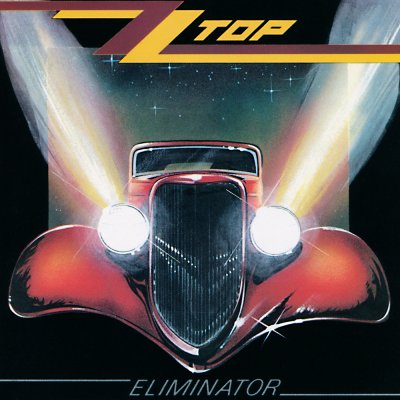
But the real turning point came in the 1980s. Eliminator (1983) blended Gibbons' signature style with synthesizers, sequencers and electronic effects, and became a massive MTV hit on the strength of the videos for "Gimme All Your Lovin'", "Sharp Dressed Man" and "Legs. " They pulled off what very few bands have managed: becoming more popular than ever without losing their original audience. Dusty Hill passed away in 2021, and bassist Elwood Francis stepped into his place.
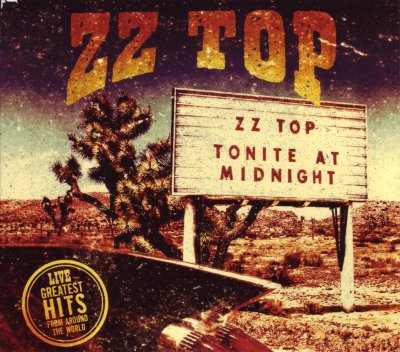
ZZ Top are still on the road — the beards are in place, the groove is intact, and "La Grange" remains one of rock's most satisfying riffs. They were inducted into the Rock and Roll Hall of Fame in 2004.
The Groove is music.nw’s own measure of renown — not an opinion, a fact computed from the record. It weighs reach (how many people engaged) against acclaim (how highly they rated it), balanced so a handful of votes can’t outshout a lasting favourite.
Computed the NeuraWeb way, across the whole record. The same yardstick for everyone — which is why the little-known can out-Groove the famous in their own corner.
How ZZ Top moved
Genre belongs to the record, not to the artist. Every album’s Groove is shared out across the genres it actually is — by how the raters tagged it — so nobody is 100% one thing. Stack that by decade and a career draws itself.
Discography