Underworld
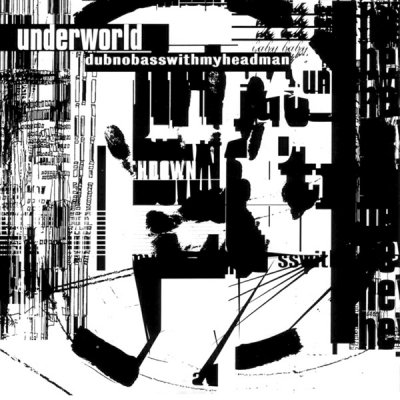
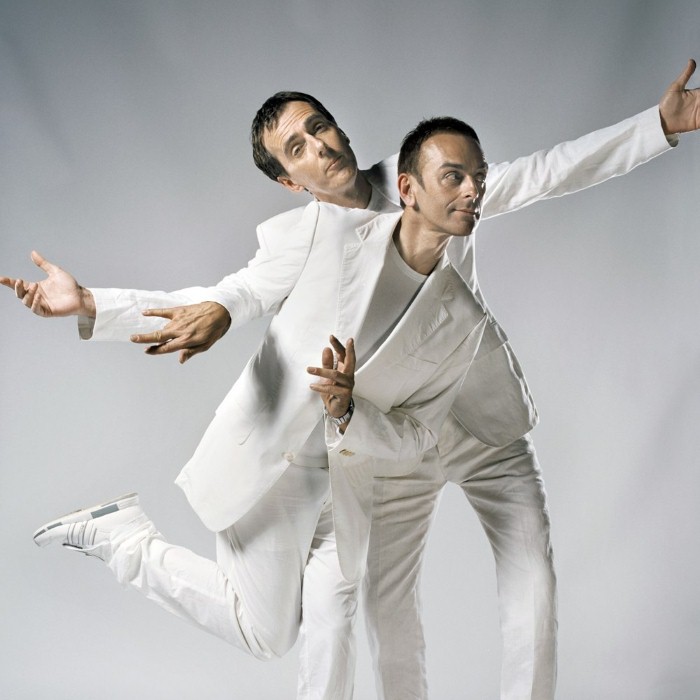
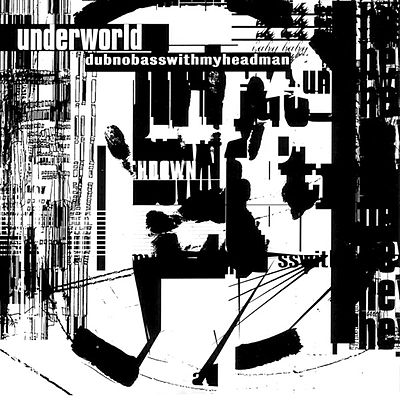
Underworld are the British electronic duo of Karl Hyde (born 1957) and Rick Smith (born 1959), two musicians who have played together since meeting in Cardiff in the late ‘70s. They began as the synth-pop band Freur, which had a hit with “Doot-Doot” in 1983, and adopted the name Underworld in 1987. The early years as Underworld were marked by funk and pop rock, but when they relocated to Romford in Essex in 1992 and recruited DJ Darren Emerson, everything changed. The result was Dubnobasswithmyheadman (1994), a record that established them as one of the ‘90s’ most influential electronic artists.
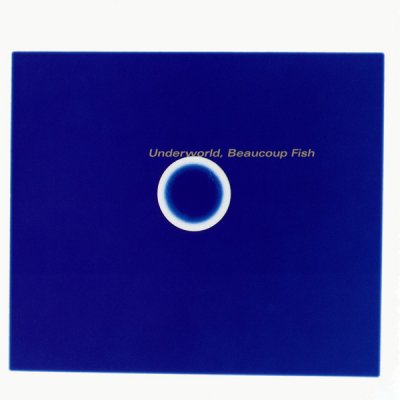
With Second Toughest in the Infants (1996) and Beaucoup Fish (1999) they cemented their position, and the single “Born Slippy.NUXX” — used to devastating effect in Danny Boyle’s Trainspotting — became one of the decade’s most iconic tracks. After Emerson’s departure in 2000, Hyde and Smith have continued as a duo, with eleven studio albums in total. Musically, Underworld operate in a space where techno, house, ambient and traces of synth-pop merge into something entirely their own. Rick Smith builds soundscapes that are both hypnotic and physically driving — layer upon layer of synths, pulsating basslines and intricate rhythmic patterns — while Karl Hyde delivers stream-of-consciousness lyrics that are as much poetry as vocal: fragments of overheard conversations, disjointed images and manic repetitions that function as an additional rhythmic component.
Together with the design collective Tomato, of which both are founding members, they have always treated visual art as an equal part of the project. They served as musical directors for the opening ceremony of the 2012 London Olympics in collaboration with Danny Boyle, and have written music for theatre, film and installations. Live, Underworld are one of the great experiences in electronic music. The concerts are long, intense, visually overwhelming journeys where songs are stretched, transformed and collide with one another — and where the boundary between DJ set and live band is dissolved.
Hyde sings, shouts and moves across the stage with an energy that defies the decades, while Smith steers everything from his control station behind him. After more than forty years together they are still in motion, still curious, and still capable of making a festival vibrate.
The Groove is music.nw’s own measure of renown — not an opinion, a fact computed from the record. It weighs reach (how many people engaged) against acclaim (how highly they rated it), balanced so a handful of votes can’t outshout a lasting favourite.
Computed the NeuraWeb way, across the whole record. The same yardstick for everyone — which is why the little-known can out-Groove the famous in their own corner.
How Underworld moved
Genre belongs to the record, not to the artist. Every album’s Groove is shared out across the genres it actually is — by how the raters tagged it — so nobody is 100% one thing. Stack that by decade and a career draws itself.
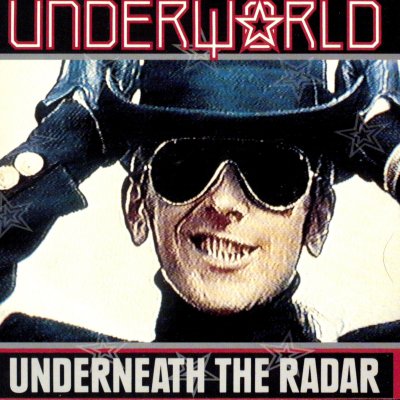
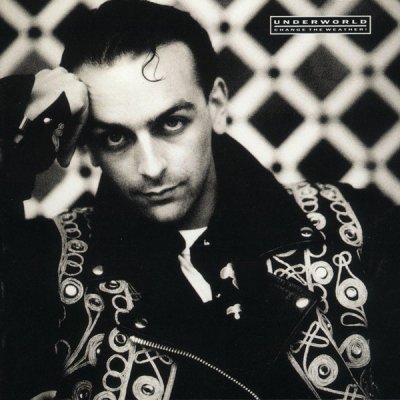
Discography

Credits
Ranked #848 of 14,615 producers — 1,269.88 career Groove across 8 records.