Tom Waits
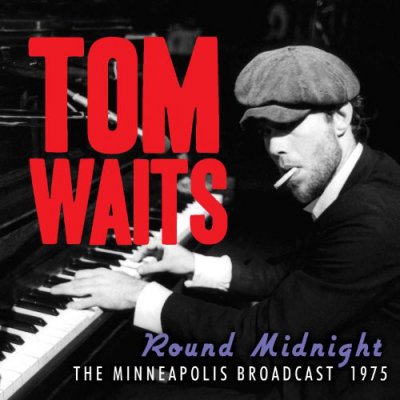
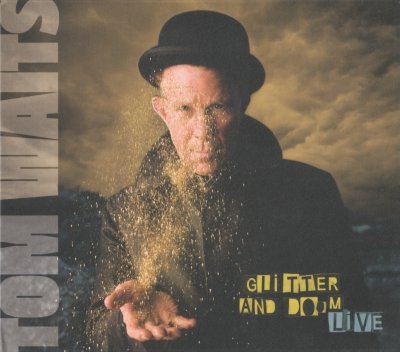
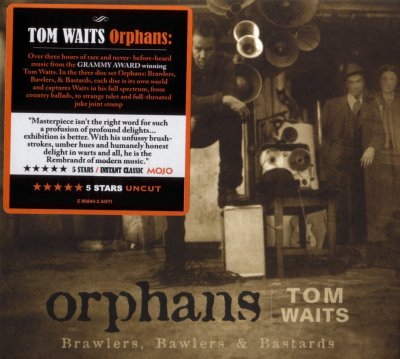
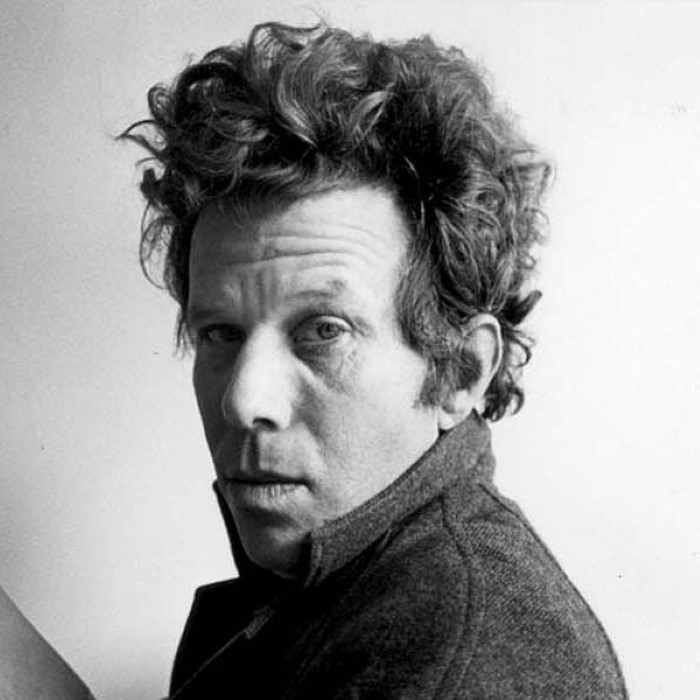
Thomas Alan "Tom" Waits (born December 7, 1949) is an American singer-songwriter, composer, and actor. Waits has a distinctive voice, described by critic Daniel Durchholz as sounding "like it was soaked in a vat of bourbon, left hanging in the smokehouse for a few months, and then taken outside and run over with a car. " With this trademark growl, his incorporation of pre-rock music styles such as blues, jazz, and vaudeville, and experimental tendencies verging on industrial music, Waits has built up a distinctive musical persona. He has worked as a composer for movies and musical plays and has acted in supporting roles in films including Paradise Alley and Bram Stoker's Dracula; he also starred in the 1986 film Down by Law.
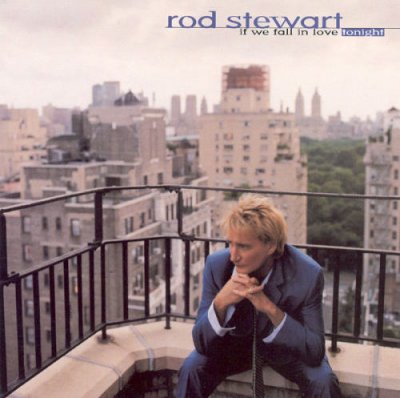
He was nominated for an Academy Award for his soundtrack work on One from the Heart. Lyrically, Waits' songs frequently present atmospheric portrayals of grotesque, often seedy characters and places-although he has also shown a penchant for more conventional ballads. He has a cult following and has influenced subsequent songwriters despite having little radio or music video support. His songs are best-known through cover versions by more commercial artists: "Jersey Girl", performed by Bruce Springsteen, "Ol' '55", performed by the Eagles, and "Downtown Train", performed by Rod Stewart.
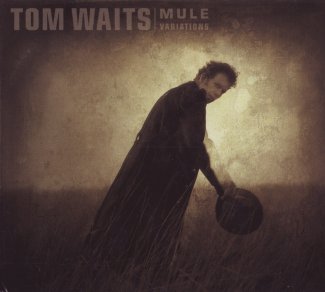
Although Waits' albums have met with mixed commercial success in his native United States, they have occasionally achieved gold album sales status in other countries. He has been nominated for a number of major music awards and has won Grammy Awards for two albums, Bone Machine and Mule Variations. In 2011, Waits was inducted into the Rock and Roll Hall of Fame. Waits lives in Sonoma County, California with his wife, Kathleen Brennan, and three children.
The Groove is music.nw’s own measure of renown — not an opinion, a fact computed from the record. It weighs reach (how many people engaged) against acclaim (how highly they rated it), balanced so a handful of votes can’t outshout a lasting favourite.
Computed the NeuraWeb way, across the whole record. The same yardstick for everyone — which is why the little-known can out-Groove the famous in their own corner.
How Tom Waits moved
Genre belongs to the record, not to the artist. Every album’s Groove is shared out across the genres it actually is — by how the raters tagged it — so nobody is 100% one thing. Stack that by decade and a career draws itself.
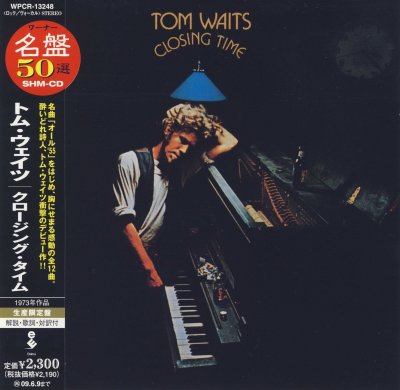
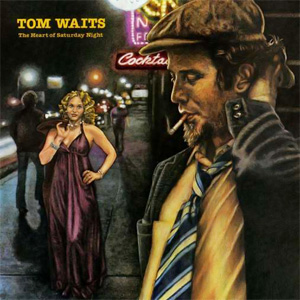
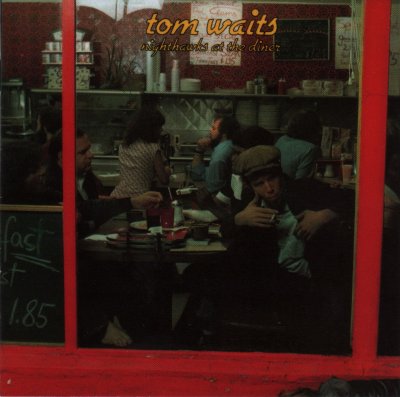
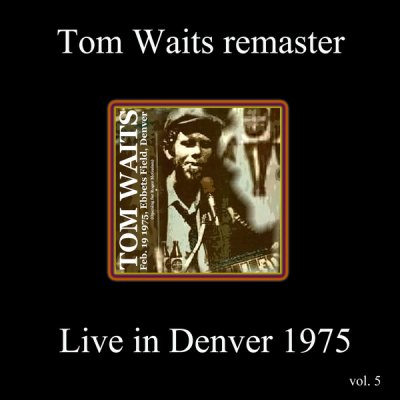
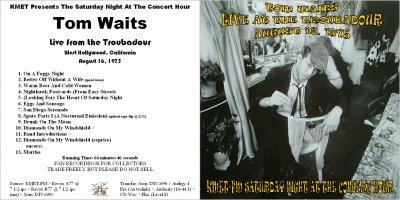
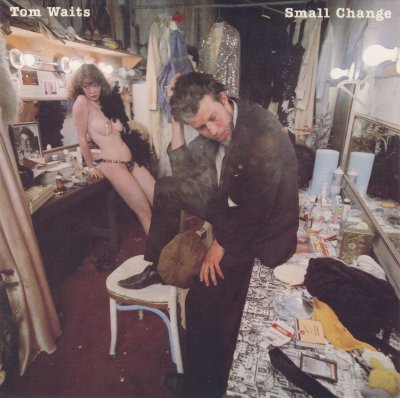
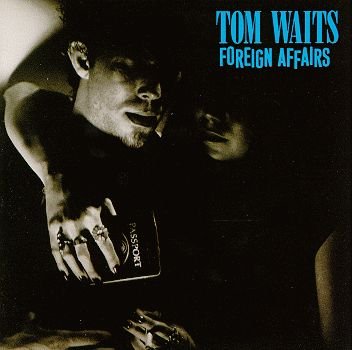
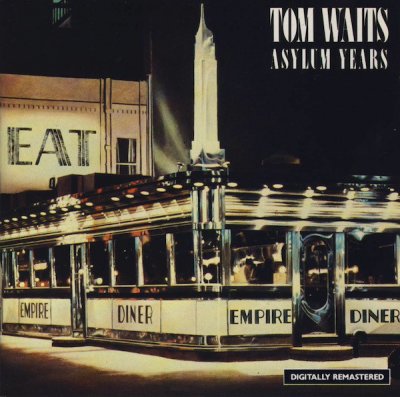
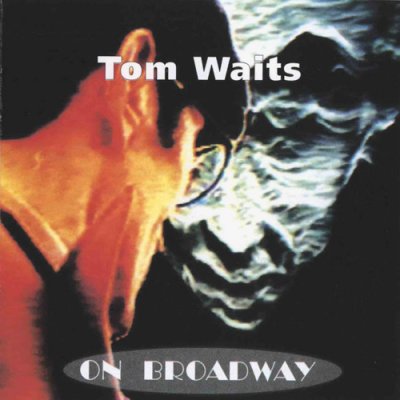
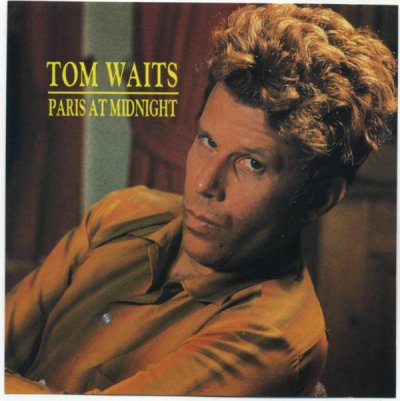
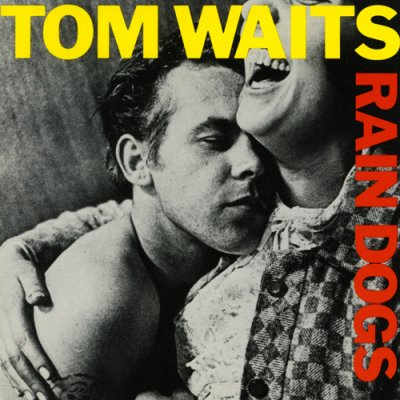
Discography
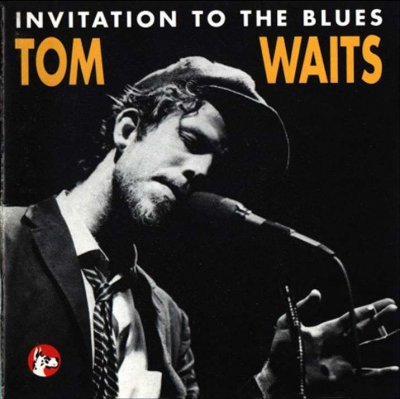
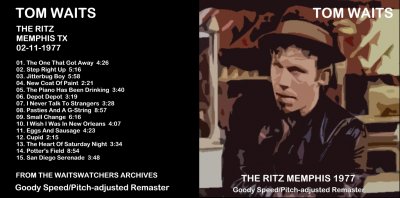
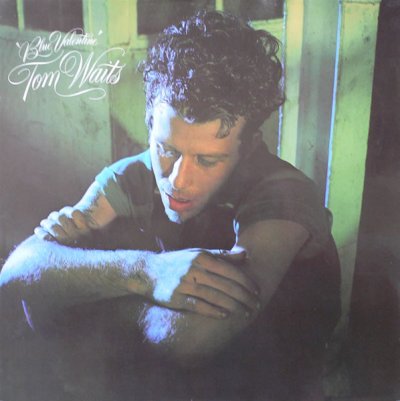
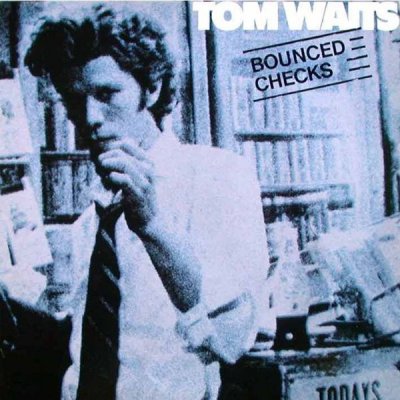
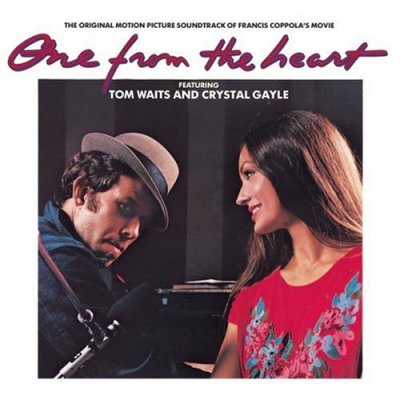
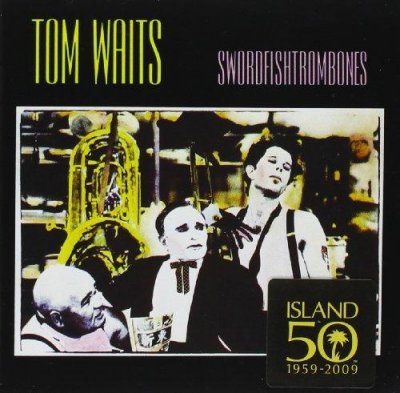
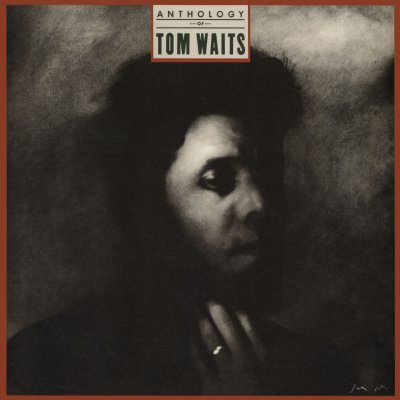

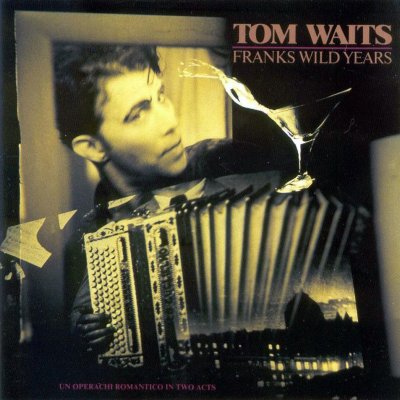
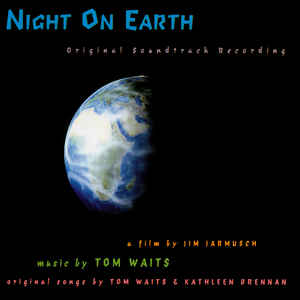
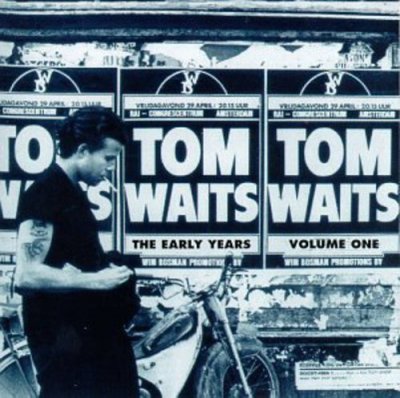
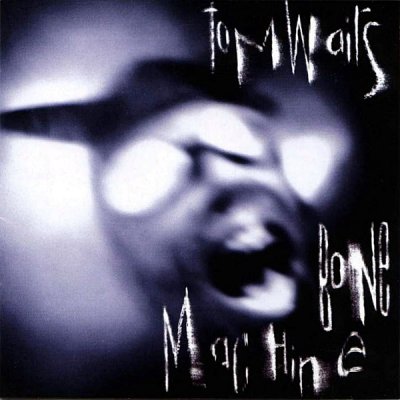
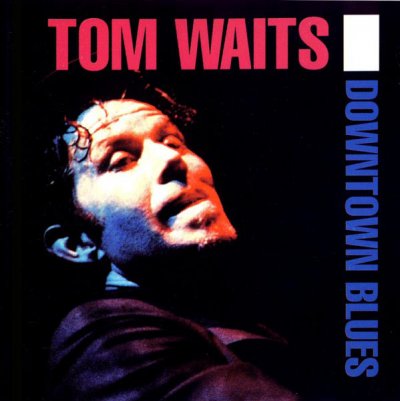
Credits
Ranked #274 of 14,615 producers — 2,571.51 career Groove across 13 records.