The Prodigy
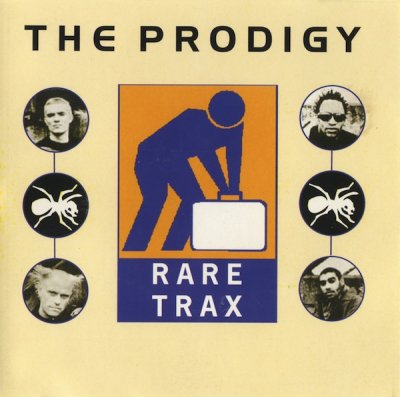
The Prodigy is an English electronic music group from Braintree, Essex, formed by Liam Howlett in 1990. The current members include Liam Howlett (keyboardist and composer), Keith Flint (dancer and vocalist) and Maxim (MC and vocalist). Leeroy Thornhill (dancer and occasional live keyboardist) was a member of the band from 1990 to 2000, as was a female dancer and vocalist called Sharky who left the group during their early period. Along with The Chemical Brothers, Fatboy Slim, The Crystal Method and other acts, The Prodigy have been credited as pioneers of the big beat genre, which achieved mainstream popularity in the 1990s and 2000s.
They have sold over 25 million records worldwide. The group has won numerous music awards throughout their career, including two Brit Awards—winning Best British Dance Act twice, three MTV Video Music Awards, two Kerrang! Awards, five MTV Europe Music Awards, and have twice been nominated for Grammy Awards. The group's brand of music makes use of various styles ranging from rave, hardcore techno, electro-industrial, jungle and breakbeat in the early 1990s to big beat and electronic rock with punk vocal elements in later times.
The Prodigy first emerged on the underground rave scene in the early 1990s and have since achieved popularity and worldwide renown. They have been called "the premiere dance act for the alternative masses" and "the Godfathers of Rave". Musical style and influences Along with the Chemical Brothers, Fatboy Slim, and other acts, the Prodigy have been credited as pioneers of the big beat genre, which achieved mainstream popularity in the 1990s. The Prodigy are also considered alternative dance, techno, electronica, breakbeat hardcore, and rave.
Liam Howlett cited early electro as a big influence, mentioning tunes like "Clear" by American music group Cybotron and "Al Naafiysh" by Hashim. Liam Howlett also cited The Bomb Squad, Public Enemy, and Rage Against the Machine as influences.
The Groove is music.nw’s own measure of renown — not an opinion, a fact computed from the record. It weighs reach (how many people engaged) against acclaim (how highly they rated it), balanced so a handful of votes can’t outshout a lasting favourite.
Computed the NeuraWeb way, across the whole record. The same yardstick for everyone — which is why the little-known can out-Groove the famous in their own corner.
How The Prodigy moved
Genre belongs to the record, not to the artist. Every album’s Groove is shared out across the genres it actually is — by how the raters tagged it — so nobody is 100% one thing. Stack that by decade and a career draws itself.
Discography