The Doobie Brothers
The Doobie Brothers formed in 1969, with members Tom Johnston (vocals, guitar), John Hartman (drums), and Dave Shogren (bass); Patrick Simmons (vocals, guitar) joined in 1970. Tiran Porter replaced Shogren, 1971; Michael Hossack (drums) joined in 1971, replaced in 1973 by Keith Knudsen. Jeff Baxter (guitar) joined in 1974; Michael McDonald (keyboards, vocals, songwriting) joined in 1975. The Doobie Brothers epitomized mainstream rock and roll throughout the 1970s with a string of platinum albums and top ten hits.
Personnel and stylistic changes notwithstanding--and both were substantial--the Doobies packed concert halls worldwide for more than a decade. Today their work is a staple of the "classic rock" format radio stations, and members of the original group are playing live together again. Reflecting on the resurgent popularity of the California-based hard rock band, Rolling Stone contributor Jeffrey Ressner concludes: "While the group has gone through numerous evolutionary changes over the past two decades, it refuses to become extinct. " Like so many other rock bands, the Doobie Brothers formed in California around a nucleus of semi-seasoned professional performers.
The original three members, Tom Johnston, John Hartman, and Dave Shogren, called themselves Pud and began jamming for a tough audience of Hell's Angels bikers in 1969. The trio became a foursome with the addition of Patrick Simmons, who was primarily a folk musician and rhythm guitarist. Unlikely though the association of Simmons and Johnston seemed, it provided the group with an interesting mix for songwriting and instrumentation. The 1971 addition of Tiran Porter provided three-part vocal harmony that became one trademark of the band.
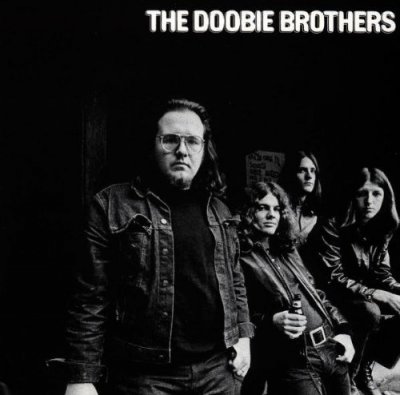
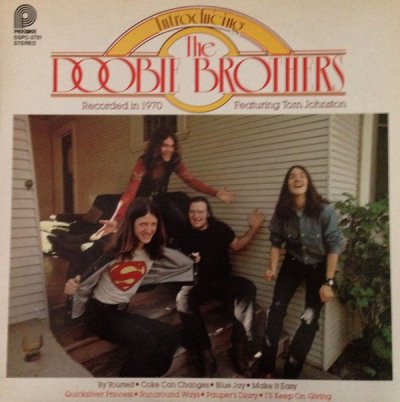
The name Doobie Brothers was derived from the slang term for a marijuana cigarette--a favorite indulgence of the group. The early Doobies were a hard-living lot who played the road houses that were frequented by motorcycle gangs and other California toughs. In 1971 the group signed with Warner Bros. records and released their first album, The Doobie Brothers. It did not sell well, and the band members found themselves back at their old California gigs.
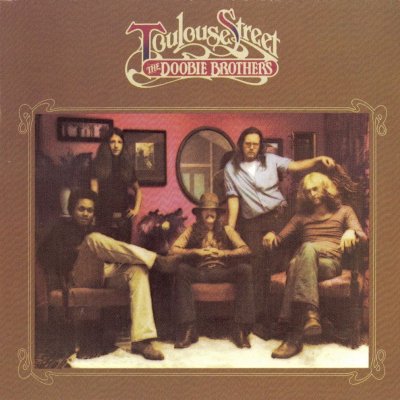
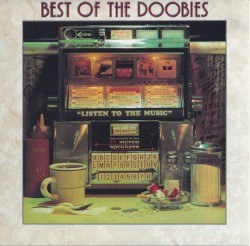
Johnston was undaunted, however. As Rolling Stone correspondent Timothy White puts it, he "rolled up his sleeves and resolved to create some salable music for his band. " The result was Toulouse Street, a 1972 album that had platinum sales and two top ten singles, "Listen to the Music" and "Jesus Is Just Alright. " White writes: "The Doobies had a formidable sound, Simmons' deft country-blues picking meshing with Johnston's penchant for thick chord riffing with an R&B bent.
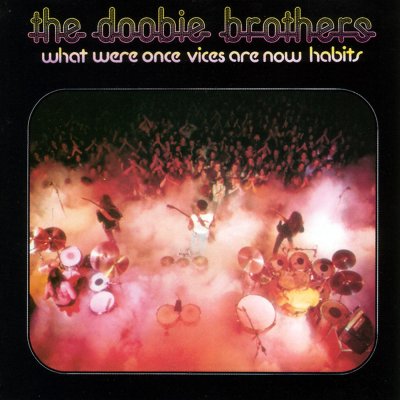
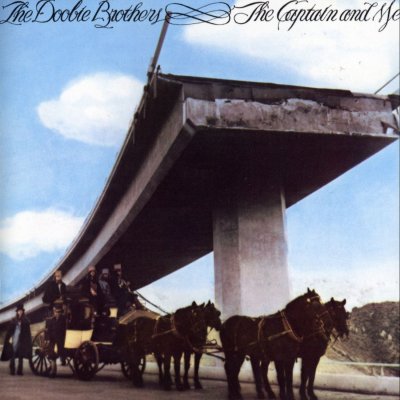
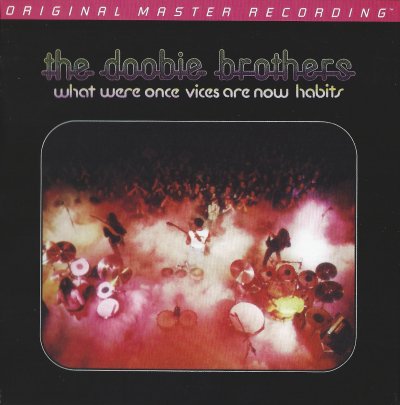
Underscored by drummer Hartman and bassist Shogren was a powerful rock-pop sound that was buoyant but blistering, mighty and yet melodic. " A 1973 album, The Captain and Me, quickly went platinum and placed two singles, "China Grove" and "Long Train Runnin', " in the top ten. The Doobies further enhanced their popularity by touring incessantly, making as many as two hundred personal appearances in a year. The Doobies' fourth album, What Were Once Vices Are Now Habits, demonstrated that the band did not wish to produce solely pop material.
After a slow start the record went platinum on the strength of the bluesy single "Black Water, " the first Doobie Brothers song to reach number one. Years of touring and drug use began to take a toll on the group, however, and the membership roster began to change frequently. Chief among the departures was that of founder Johnston, who suffered bleeding ulcers in 1975. Johnston was replaced by a former member of Steely Dan, Michael McDonald, who quietly steered the Doobie Brothers in a new direction.
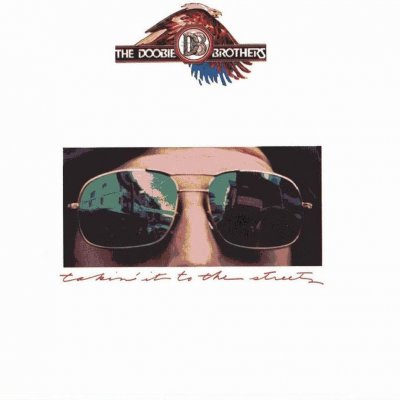
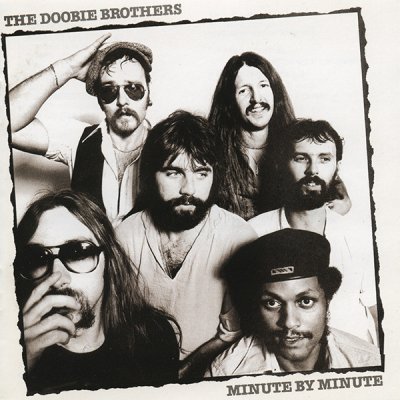
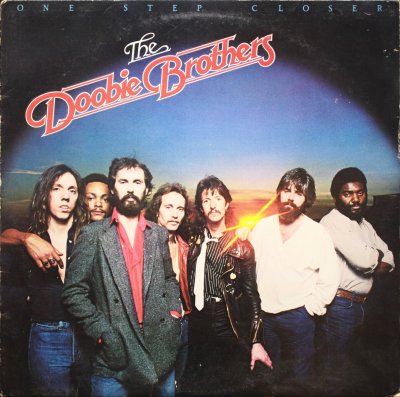
Most of the Doobie Brothers hits after 1975 feature vocal performances by McDonald. His influence also transformed the Doobies' sound from rock to jazz, with keyboards challenging the guitars as lead instrument. McDonald wrote several hits for the Doobies, including "Takin' It to the Streets, " "What a Fool Believes, " "Minute by Minute, " and "I Keep Forgetting. " The Doobie Brothers entered the 1980s on a strong footing, even though Simmons was the only original member still associated with the group.
By 1982 solo contracts were beckoning McDonald and Simmons, so the Doobie Brothers disbanded after a "farewell tour. " Simmons told Rolling Stone that he expected the band to be quickly forgotten and was therefore surprised when a number of early Doobies hits became staples of AOR radio. "My perception was that the public forgets fast, and the music business is fickle, " Simmons said, " apparently, a few of our songs have been considered timeless. " In 1987 some members of the original band, including Simmons, Johnston, Tiran Porter, and Michael Hossack, gave a benefit concert that resulted in a clamor for reunification.
Johnston reorganized the Doobie Brothers, signed a contract with Capitol, and the band released another album, Cycles, in 1989. Critics quickly noted that the tunes on Cycles bear a great resemblance to the earliest Doobie Brothers work. Johnston admits that he wanted to appeal to the tried-and-true Doobies fans that had supported the band all along. "Over the years, " he told Rolling Stone, "I've found it's best to stick with what you know and what you can do best rather than trying to modernize it to the point where you're not yourself anymore....
We wanted to be recognizable. " A Doobie Brothers tour in 1989 played to sold out stadiums in America, Japan, Australia, New Zealand, and Europe. Johnston credited "classic rock radio" with the renewed interest in his group. "Classic radio is responsible for keeping people who were famous back then in the public eye, " he said.
"People who maybe want to come back now. "
Discography
Credits