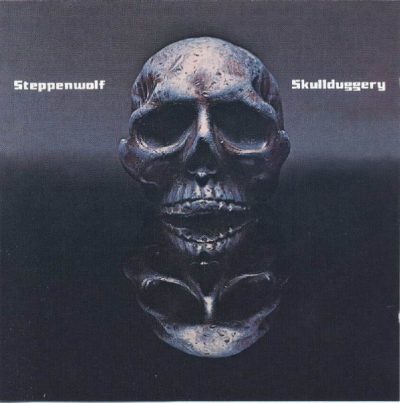
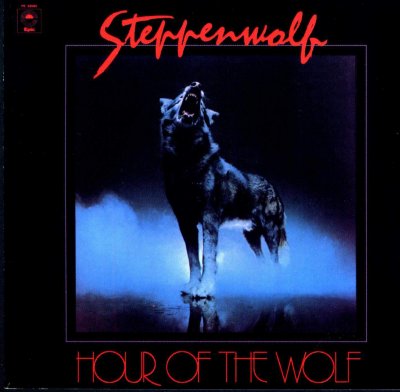
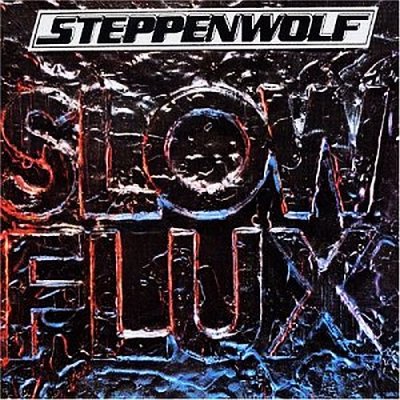
Steppenwolf
Steppenwolf is a Canadian-American rock group that was prominent in the late 1960s. The group was formed in 1963 in Los Angeles by vocalist John Kay, guitarist Michael Monarch, bassist Rushton Moreve, keyboardist Goldy McJohn and drummer Jerry Edmonton after the dissolution of Toronto group The Sparrows, formed by John Kay in the early 60s, of which only Moreve was not a member. The band has sold more than 25 million records worldwide, releasing eight gold albums and twelve Billboard Hot 100 singles of which six were Top 40 hits, including three Top 10 successes: "Born to Be Wild", "Magic Carpet Ride", and "Rock Me". Steppenwolf enjoyed worldwide success from 1968 to 1974, but clashing personalities led to the end of the core lineup.
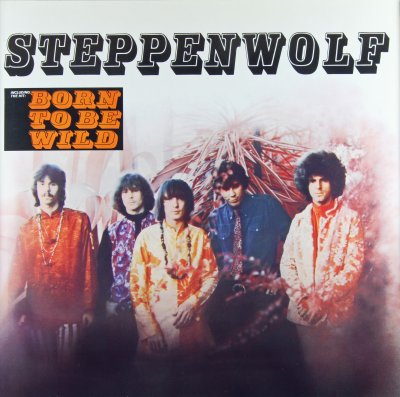
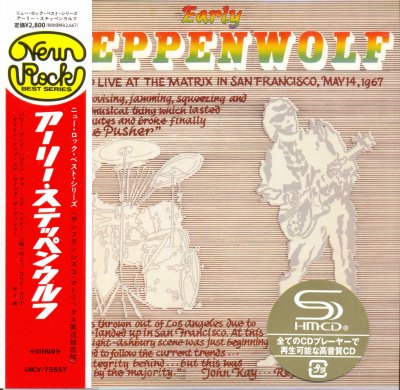
Today, frontman John Kay is the only original member left, having served as lead singer for more than 40 years since 1963. The name-change from The Sparrows to Steppenwolf was suggested to John Kay by Gabriel Mekler, being inspired by Hermann Hesse's novel of the same name. Steppenwolf's first two singles were "A Girl I Knew" and "Sookie Sookie". The band finally rocketed to worldwide fame after their third single "Born to Be Wild" was released in 1968, as well as their version of Hoyt Axton's "The Pusher" and were prominently used in the 1969 cult film Easy Rider (both titles originally had been released on the band's debut album).
In the movie, "The Pusher" accompanies a drug deal, and Peter Fonda stuffing dollar bills into his Stars & Stripes-clad fuel tank, after which "Born to Be Wild" is heard in the opening credits, with Fonda and Dennis Hopper riding their Harley choppers through the American West. The song, which has been closely associated with motorcycles ever since, introduced to rock lyrics the signature term "heavy metal" (though not about a kind of music, but about a motorcycle: "I like smoke and lightning, heavy metal thunder, racin' with the wind..."). Written by Dennis Edmonton, who had begun using the pen name Mars Bonfire, the song had already reached No. 2 on the Billboard Hot 100 in August 1968. It sold over one million copies, and was awarded a gold disc.
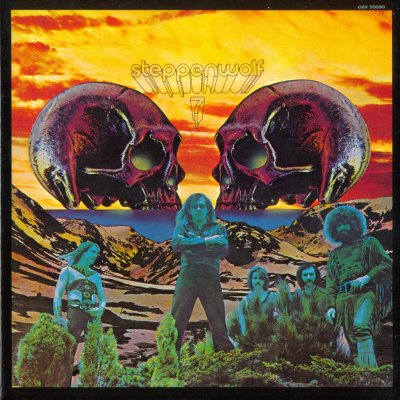
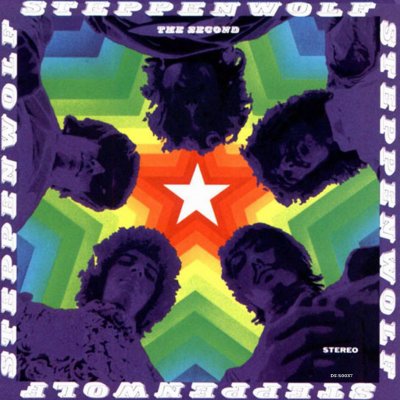
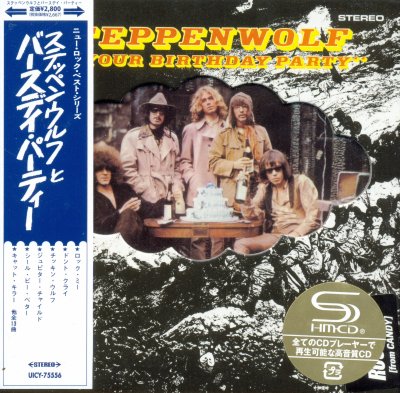
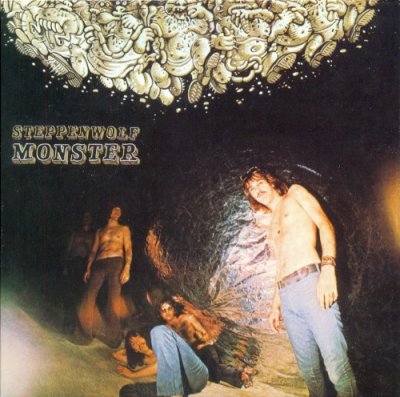
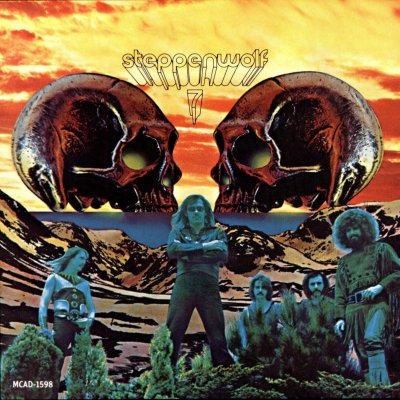
The following albums had several more hit singles, including "Magic Carpet Ride" (which reached No. 3) from Steppenwolf The Second and "Rock Me Baby" (with its bridge lasting 1:06, which reached No. 10) from At Your Birthday Party. It also sold in excess of one million units. Monster, which questioned US policy of the Nixon era, and Steppenwolf 7 were the band's most political albums, which included the song "Snowblind Friend", another Axton-penned song, about the era and attitudes of drugs and its problems. Other hits included Hey Lawdy Mama and Willie Dixon's Hootchie Kootchie Man.
There were several changes in the group's personnel after the first few years. Moreve was fired from the group in 1968 for missing gigs after he became afraid to return to Los Angeles, convinced that it was going to be leveled by an earthquake and fall into the sea. Rob Black filled in for Moreve until former fellow-Sparrow Nick St. Nicholas came aboard.
Monarch quit after disagreements with Kay the next year year and was replaced by Larry Byrom, who'd been in TIME with St. Nicholas. St. Nicholas' tenure with the group proved to be brief and he was let go in 1970 after incurring Kay's wrath by showing up onstage in a bunny suit, and playing his bass loudly and out of tune.
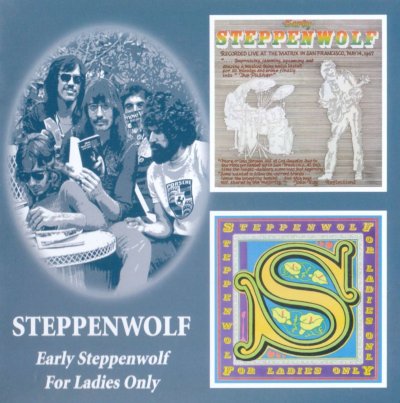
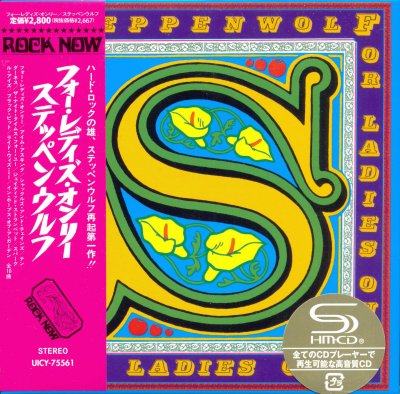
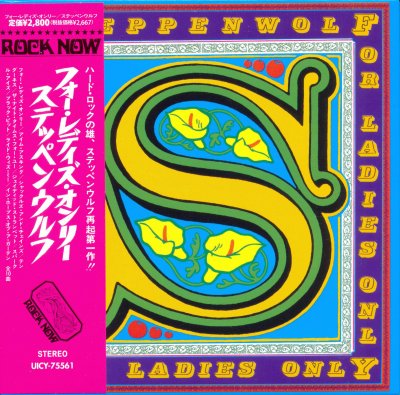
The above tales were related by Kay in his 1994 autobiography Magic Carpet Ride (co-written with Canadian author John Einarson). George Biondo was then recruited and guitarist Kent Henry replaced Byrom in 1971. The band broke up in 1972 following the release of another political concept album, For Ladies Only, and Kay went on to an inconsistent solo career, scoring a minor solo hit in 1972 with "I'm Movin' On" from his album Forgotten Songs and Unsung Heroes. Kay toured Europe as The John Kay Band in 1972 with Steppenwolf also on the bill, Kay fronting both groups.
The Groove is music.nw’s own measure of renown — not an opinion, a fact computed from the record. It weighs reach (how many people engaged) against acclaim (how highly they rated it), balanced so a handful of votes can’t outshout a lasting favourite.
Computed the NeuraWeb way, across the whole record. The same yardstick for everyone — which is why the little-known can out-Groove the famous in their own corner.
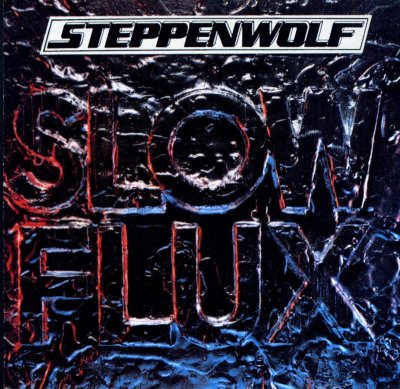
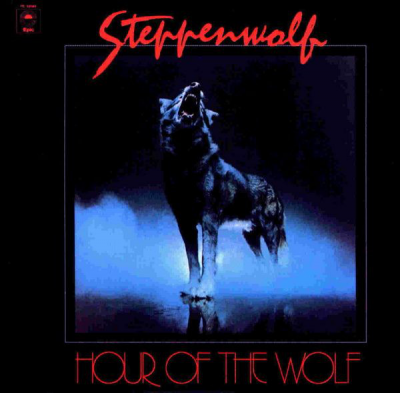
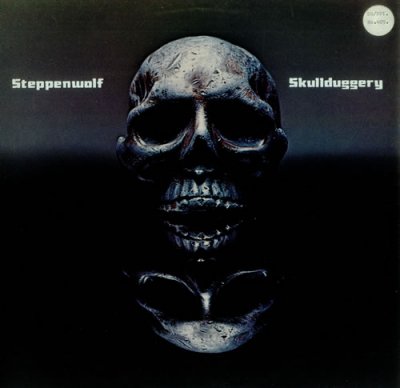
Discography
Credits
Ranked #9,197 of 14,615 producers — 110.66 career Groove across 3 records.