Sleater‐Kinney
Sleater-Kinney was formed in early 1994 in Olympia, Washington, by Corin Tucker and Carrie Brownstein. Tucker was formerly in the influential riot grrrl band Heavens to Betsy, while Brownstein was formerly in the queercore band Excuse 17. They often played at gigs together and formed Sleater-Kinney as a side-project from their respective bands. When Heavens to Betsy and Excuse 17 disbanded, Sleater-Kinney became their primary focus.
Janet Weiss of Quasi is the band's longest lasting and final drummer, though Sleater-Kinney has had other drummers, including Lora Macfarlane, Misty Farrell, and Toni Gogin. Upon Tucker's graduation from Evergreen State College (where Brownstein remained a student for three more years), she and then-girlfriend Brownstein took a trip to Australia in early 1994. Their last day there, they stayed up all night recording what would become their self-titled debut album. It was released the following spring.
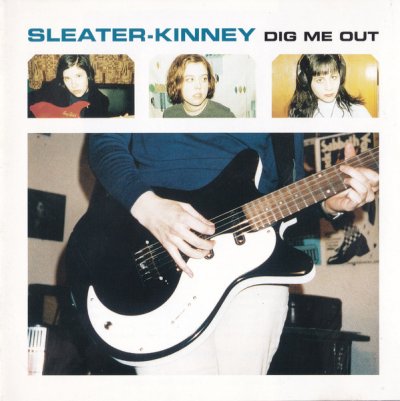
They followed this with Call the Doctor (1996) and Dig Me Out (1997), and became critical darlings as a result. Their next few albums pushed the band towards mainstream listeners, culminating in 2002's One Beat. The group opened for Pearl Jam at many North American shows beginning in 2003, and the band cited the experience of playing to large arenas as part of the inspiration and motivation for the music found on their last album, The Woods. The Woods was released in 2005, and was a departure from the sound of their previous albums.
In its place, The Woods featured a denser, heavily distorted sound that drew on classic rock as its inspiration. In 2006 they helped to curate an edition of the British All Tomorrow's Parties festival. Renowned critics Greil Marcus and Robert Christgau have each praised Sleater-Kinney as one of the essential rock groups of the late 90s/early 00s. Marcus named Sleater-Kinney America's best rock band in a 2001 issue of Time magazine.
The Groove is music.nw’s own measure of renown — not an opinion, a fact computed from the record. It weighs reach (how many people engaged) against acclaim (how highly they rated it), balanced so a handful of votes can’t outshout a lasting favourite.
Computed the NeuraWeb way, across the whole record. The same yardstick for everyone — which is why the little-known can out-Groove the famous in their own corner.
How Sleater‐Kinney moved
Genre belongs to the record, not to the artist. Every album’s Groove is shared out across the genres it actually is — by how the raters tagged it — so nobody is 100% one thing. Stack that by decade and a career draws itself.
Discography










Credits
Ranked #8,421 of 14,615 producers — 129.69 career Groove across 3 records.