Scott LaFaro
Early life : Born in Irvington, New Jersey, the son of a big band musician, LaFaro was five when his family moved to Geneva, New York. He started playing piano in elementary school, bass clarinet in middle school, and tenor saxophone when he entered high school. He took up double bass at 18 before entering college because learning a string instrument was required of music education majors. After three months at Ithaca College, he concentrated on bass. He played in groups at the College Spa and Joe's Restaurant on State Street in downtown Ithaca. Career : Beginning in 1955, he was a member of the Buddy Morrow big band. He left that organization to work in Los Angeles. LaFaro spent most of his days practicing his instrument. He practiced with a clarinet book to improve his facility. Bassist Red Mitchell taught him how to pluck strings with both the index and middle fingers independently. For much of 1958 he was with Victor Feldman's band.
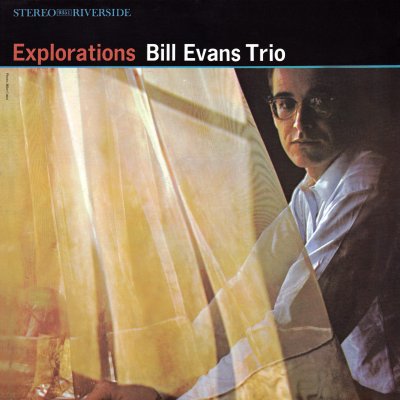
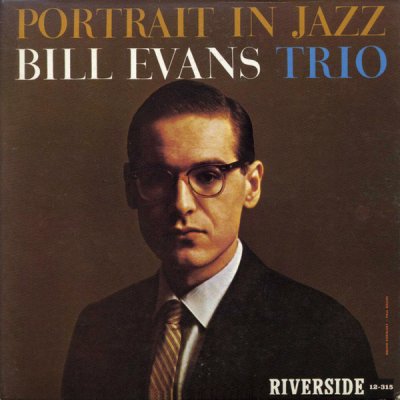
In 1959, after working with Chet Baker, Stan Kenton, Cal Tjader, and Benny Goodman, LaFaro returned to the east and joined Bill Evans, who had recently left the Miles Davis Sextet. With Evans and drummer Paul Motian he developed the counter-melodic style that would come to characterize his playing. Evans, LaFaro, and Motian were committed to the idea of three equal voices in the trio, working together for a singular musical idea often without the time stated.
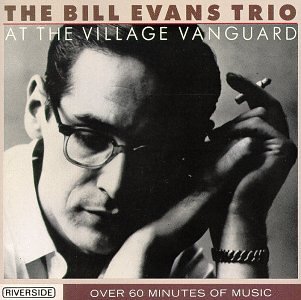
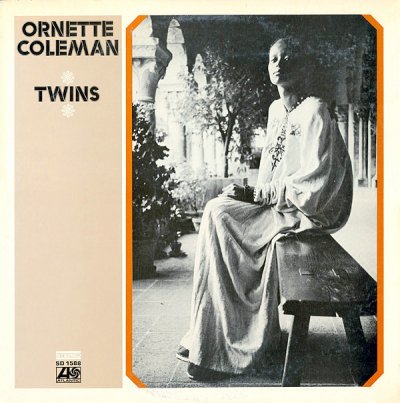
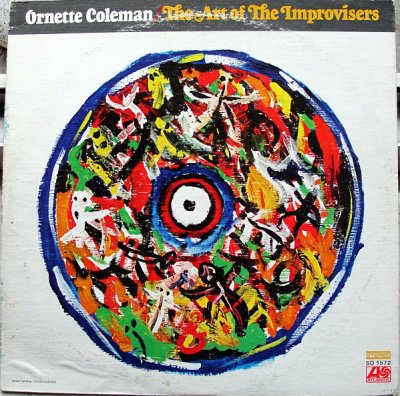
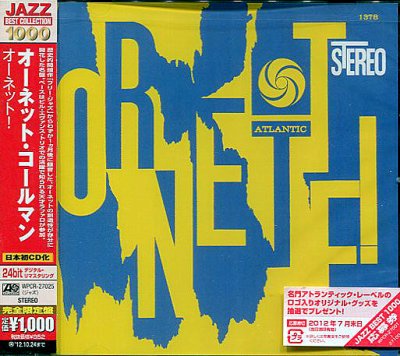
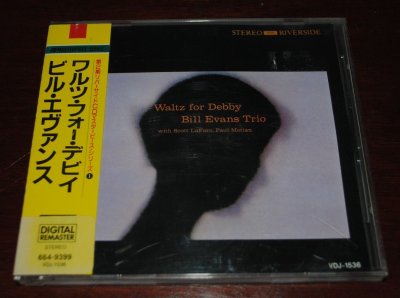
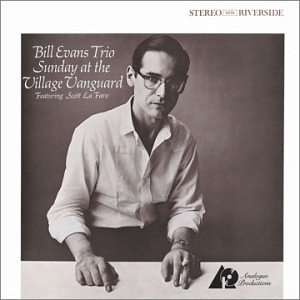
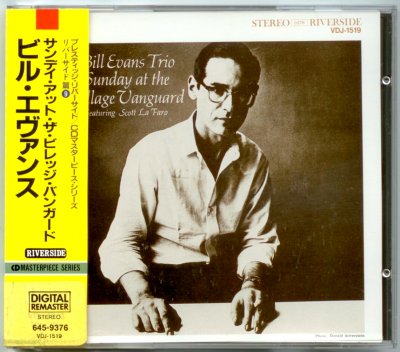
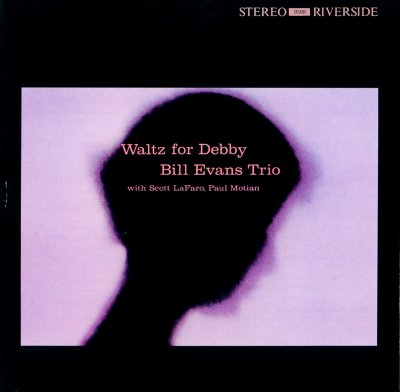
By late 1960, LaFaro was in demand as a bassist. He replaced Charlie Haden as Ornette Coleman's bassist in January 1961. For a time, Haden and LaFaro shared an apartment. He also played in Stan Getz's band between jobs with the Bill Evans trio. Around this time he received a greeting card from Miles Davis suggesting that Davis wanted to hire him. In June 1961, the Bill Evans trio began two weeks of performances at the Village Vanguard in New York City. The trio attracted attention for its style. The last day was recorded for two albums, Sunday at the Village Vanguard and Waltz for Debby. Death: LaFaro died in an automobile accident on July 6, 1961 in Flint, New York on U.S. Route 20 between Geneva and Canandaigua, four days after accompanying Stan Getz at the Newport Jazz Festival. According to Paul Motian, the death of Lafaro left Bill Evans "numb with grief", "in a state of shock", and "like a ghost". Obsessively he played "I Loves You Porgy", a song which had become synonymous with him and LaFaro. Evans stopped performing for several months. Instruments: LaFaro started his professional career playing a German-made Mittenwald double bass but it was stolen in the Spring of 1958. Shortly after, he acquired a bass made in 1825 in Concord, New Hampshire by Abraham Prescott. The top of the instrument is a three-piece plate of slab-cut fir; the back is a two-piece plate of moderately flamed maple with an ebony inlay at the center joint; the sides are made of matching maple. It has rolled corners on the bottom and very sloped shoulders on the top, making it easier to get in and out of thumb position. LaFaro continued to play this bass until his death. The bass was badly damaged in the automobile accident that killed him, but was eventually restored and is sporadically used in performance to honor LaFaro.
Bill Evans said of LaFaro's Prescott bass, "It had a marvelous sustaining and resonating quality. He would be playing in the hotel room and hit a quadruple stop that was a harmonious sound, and then set the bass on its side and it seemed the sound just rang and rang for so long."
Discography
Credits