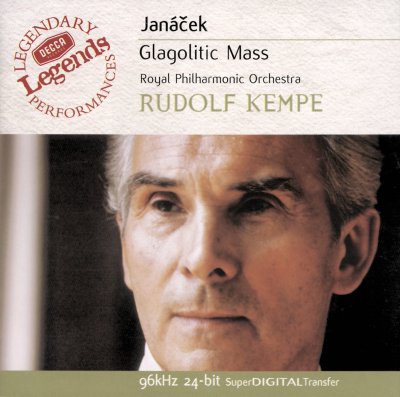
Rudolf Kempe
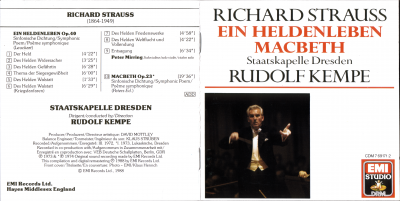
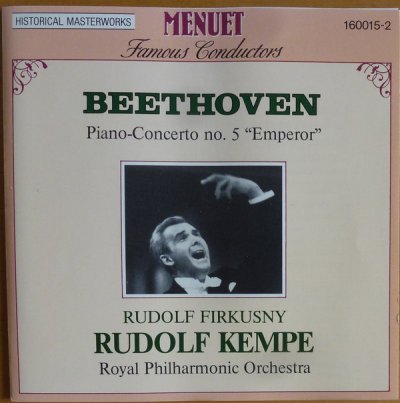
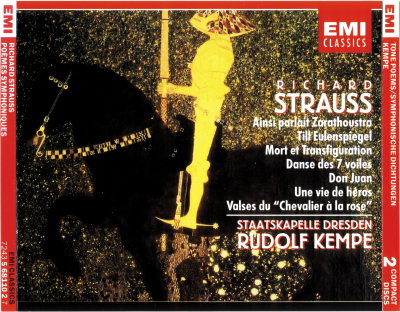
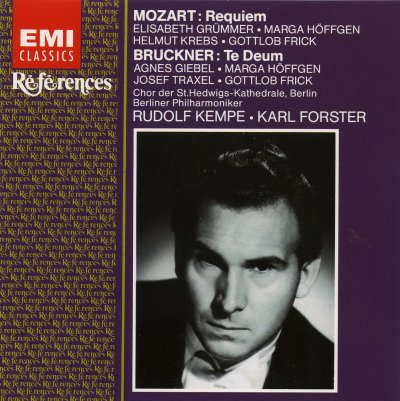
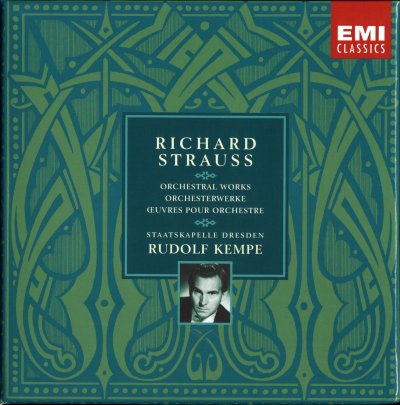
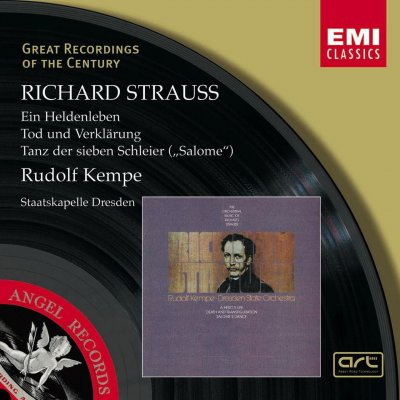
Rudolf Kempe (born 14 June 1910 in Dresden, died 12 May 1976 in Zürich) was a German conductor. Kempe directed the Dresden Opera and the Staatskapelle Dresden from 1949 to 1952, making his first records, including Der Rosenkavalier, Die Meistersinger and Der Freischütz. ‘He obtains some superlative playing from the Dresden orchestra,’ commented The Record Guide. He maintained a relationship with the Dresden orchestra for the rest of his life, making some of his best-known records with them during the stereo era.
His international career began with engagements at the Vienna State Opera in the 1951 season, for which he conducted Die Zauberflöte, Simon Boccanegra, and Capriccio.
He was invited to succeed Georg Solti as chief conductor of the Bavarian State Opera in Munich from 1952 to 1954, and was permitted by the East German authorities to do so without severing his ties with Dresden. In 1953 Kempe appeared with the Munich company at the Royal Opera House in London, where the General Administrator, Sir David Webster, quickly decided that Kempe would be an ideal Musical Director for Covent Garden. Kempe declined the appointment, and did not accept the top job at any opera house after leaving Munich in 1954. He nonetheless conducted frequently at Covent Garden and was immensely popular there, leading among other works, Salome, Elektra, Der Rosenkavalier, Der Ring des Nibelungen, Un Ballo in Maschera and Madama Butterfly, of which the critic Andrew Porter compared Kempe’s operatic conducting favourably with that of Arturo Toscanini and Victor de Sabata. As a guest conductor, Kempe frequently revisited Munich conducting mostly the Italian repertory.
Kempe’s début at the Bayreuth Festspielhaus was in 1960. The Ring cycle he conducted there in that year was notable for multiple casting, with the role of Wotan split between Hermann Uhde and Jerome Hines, and Brünnhilde between Astrid Varnay and Birgit Nilsson.
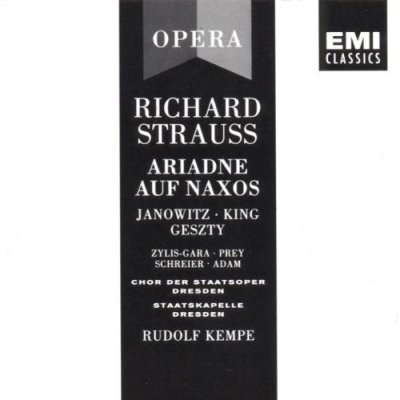
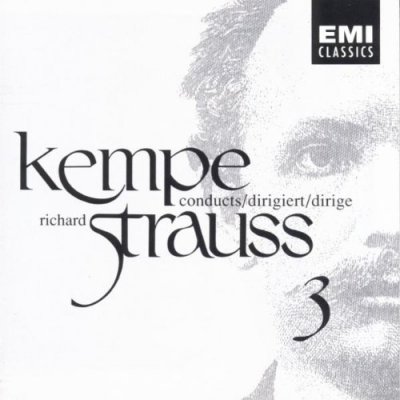
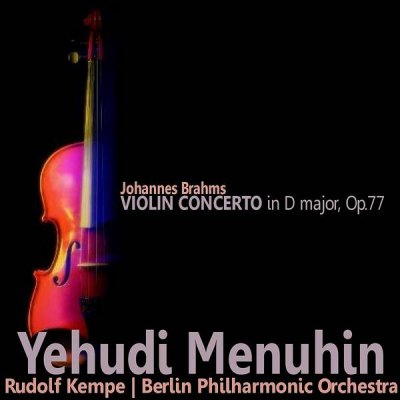
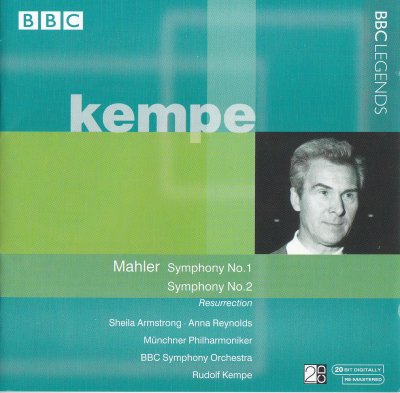
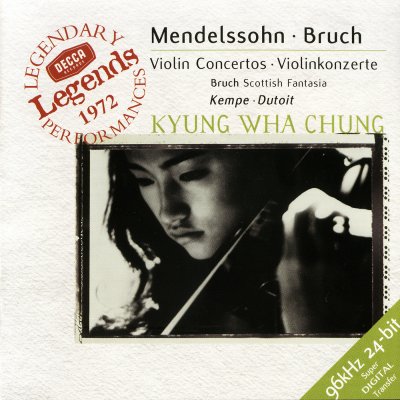
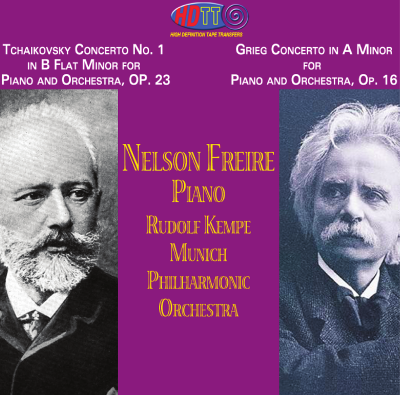
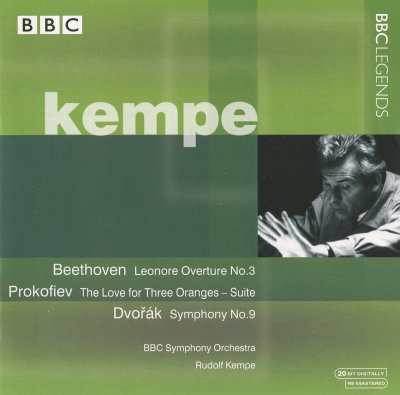
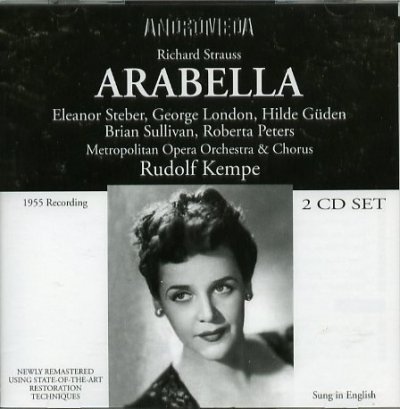
Discography


Credits