R.E.M.
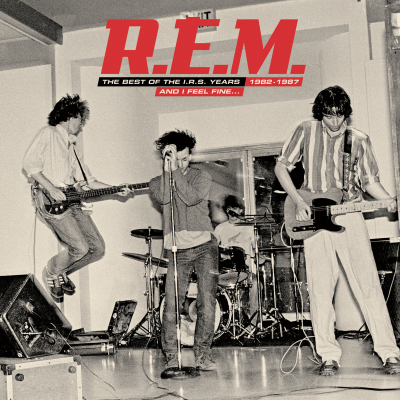
R.E.M. was an American rock band from Athens, Georgia, formed in 1980 by singer Michael Stipe, guitarist Peter Buck, bassist Mike Mills and drummer Bill Berry. One of the first popular alternative rock bands, R.E.M. gained early attention due to Buck's ringing, arpeggiated guitar style and Stipe's unclear vocals. R.E.M. released its first single, "Radio Free Europe", in 1981 on the independent record label Hib-Tone. The single was followed by the Chronic Town EP in 1982, the band's first release on I.R.S.
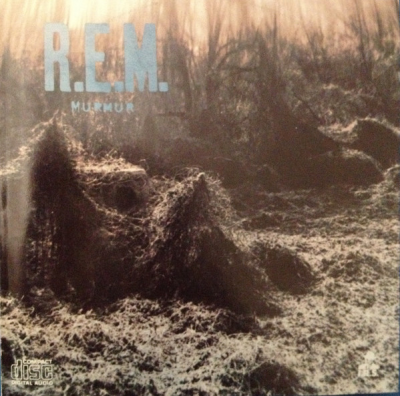
Records. In 1983, the group released its critically acclaimed debut album, Murmur, and built its reputation over the next few years through subsequent releases, constant touring, and the support of college radio. Following years of underground success, R.E.M. achieved a mainstream hit in 1987 with the single "The One I Love". The group signed to Warner Bros.
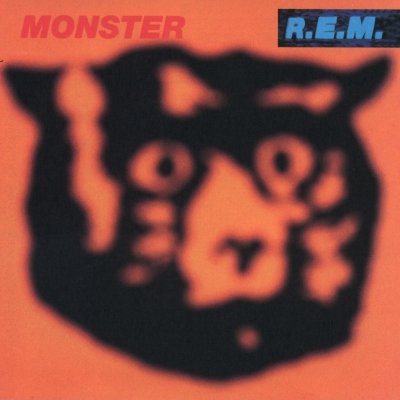
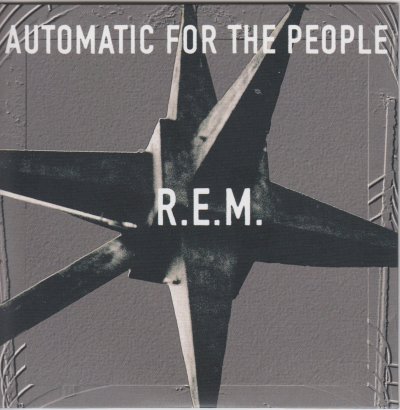
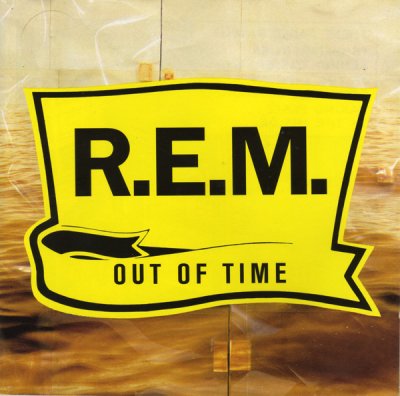
Records in 1988, and began to espouse political and environmental concerns while playing large arenas worldwide. By the early 1990s, when alternative rock began to experience broad mainstream success, R.E.M. was viewed by subsequent acts such as Nirvana and Pavement as a pioneer of the genre and released its two most commercially successful albums, Out of Time (1991) and Automatic for the People (1992), which veered from the band's established sound. R.E.M.'s 1994 release, Monster, was a return to a more rock-oriented sound. The band began its first tour in six years to support the album; the tour was marred by medical emergencies suffered by three band members.
In 1996, R.E.M. re-signed with Warner Bros. for a reported US$80 million, at the time the most expensive recording contract in history. The following year, Bill Berry left the band, while Buck, Mills, and Stipe continued the group as a trio. Through some changes in musical style, the band continued its career into the next decade with mixed critical and commercial success. In 2007, the band was inducted into the Rock and Roll Hall of Fame.
R.E.M. disbanded in September 2011, announcing the split on its website.
The Groove is music.nw’s own measure of renown — not an opinion, a fact computed from the record. It weighs reach (how many people engaged) against acclaim (how highly they rated it), balanced so a handful of votes can’t outshout a lasting favourite.
Computed the NeuraWeb way, across the whole record. The same yardstick for everyone — which is why the little-known can out-Groove the famous in their own corner.
How R.E.M. moved
Genre belongs to the record, not to the artist. Every album’s Groove is shared out across the genres it actually is — by how the raters tagged it — so nobody is 100% one thing. Stack that by decade and a career draws itself.
Discography
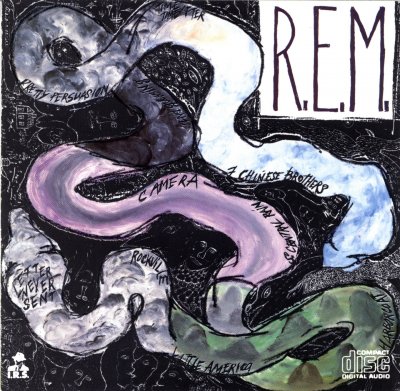

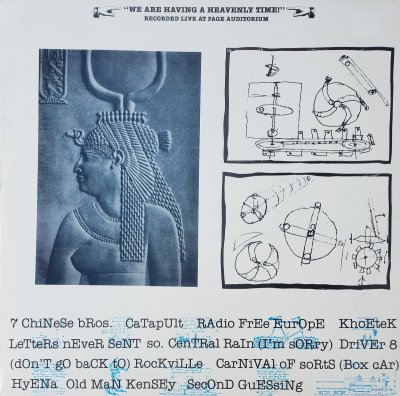
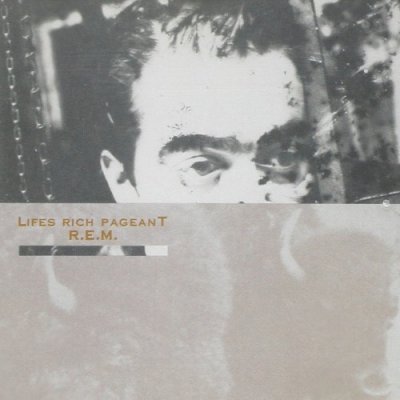
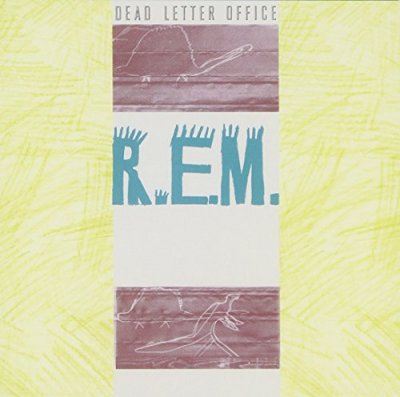
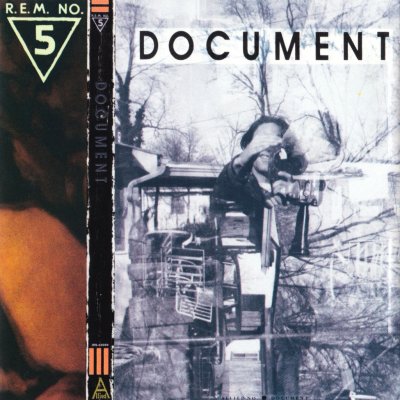
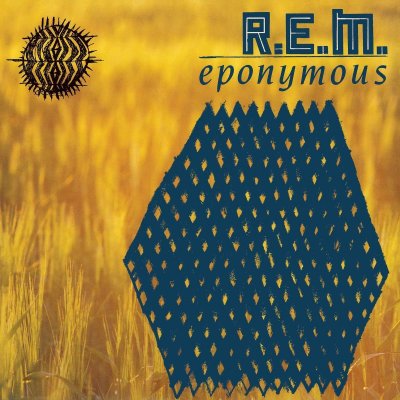
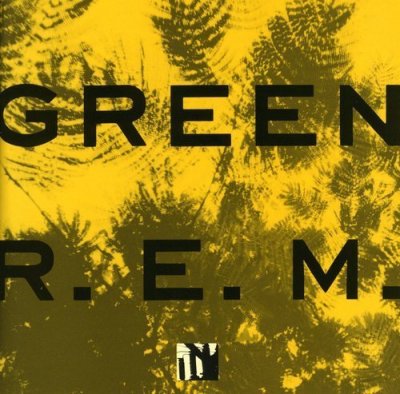

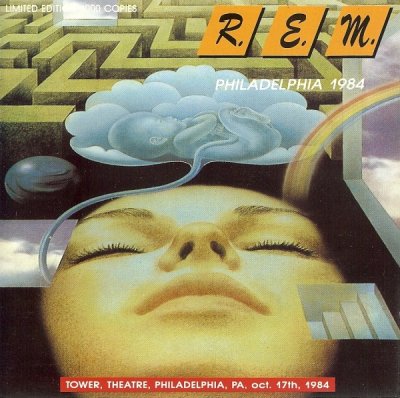

Credits
Ranked #177 of 14,615 producers — 3,209.53 career Groove across 49 records.