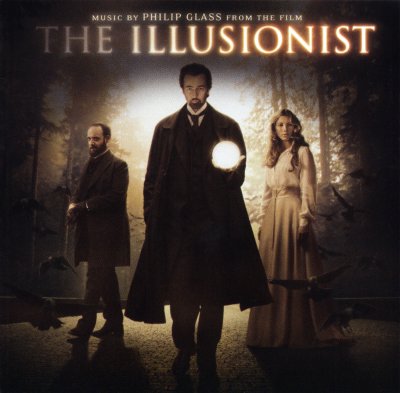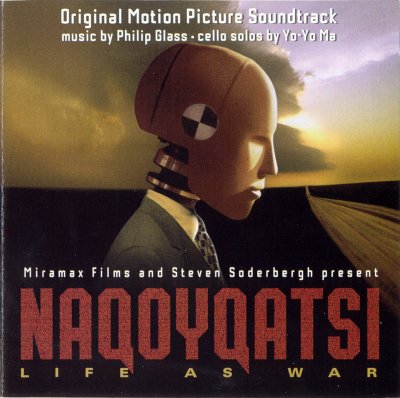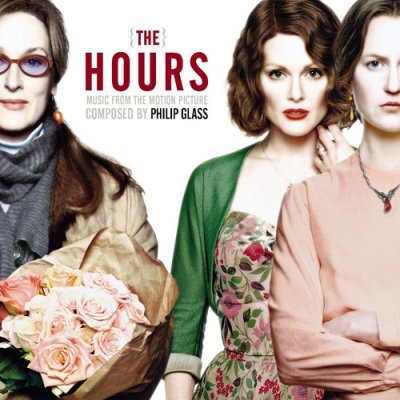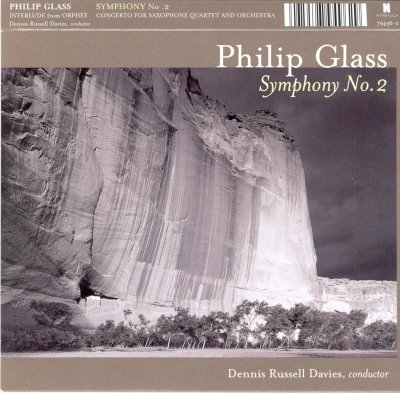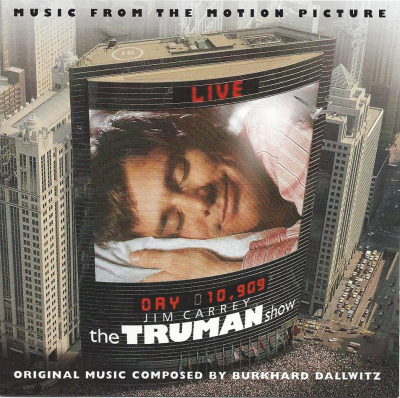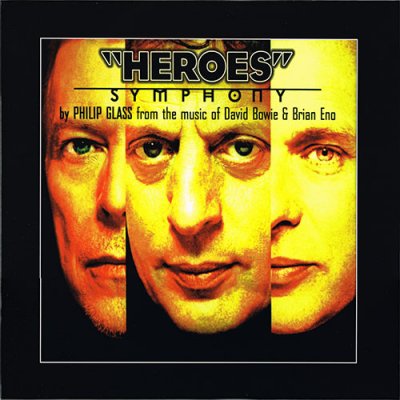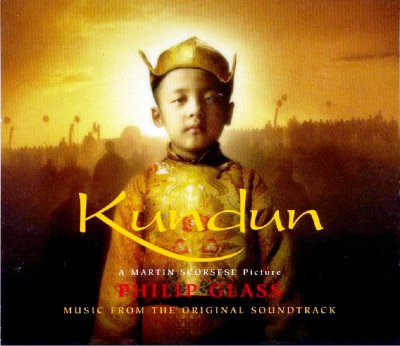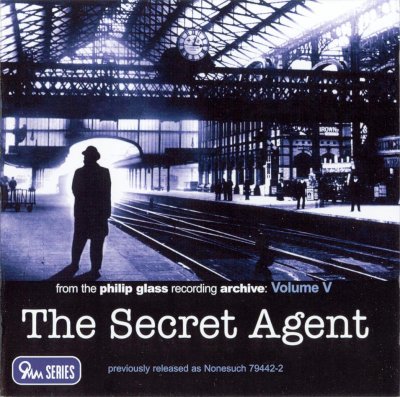
Philip Glass
Philip Morris Glass (born January 31, 1937) is an American composer. He is one of the most influential composers of the late 20th century. His music is also often controversially described as minimalist, along with the work of the other "major minimalists" La Monte Young, Terry Riley and Steve Reich. He has distanced himself from the "minimalist" label, describing himself instead as a composer of "music with repetitive structures.
" Though his early mature music shares much with what is normally called "minimalist", he has since evolved stylistically. Currently, he describes himself as a "Classicist", pointing out that he is trained in harmony and counterpoint and studied such composers as Franz Schubert, Johann Sebastian Bach and Wolfgang Amadeus Mozart with Nadia Boulanger. Glass is a prolific composer: he has written works for the musical group which he founded, the Philip Glass Ensemble (with which he still performs on keyboards), as well as operas, musical theatre works, ten symphonies, eleven concertos, solo works, chamber music including string quartets and instrumental sonatas, and film scores. Three of his film scores have been nominated for Academy Awards.
The Groove is music.nw’s own measure of renown — not an opinion, a fact computed from the record. It weighs reach (how many people engaged) against acclaim (how highly they rated it), balanced so a handful of votes can’t outshout a lasting favourite.
Computed the NeuraWeb way, across the whole record. The same yardstick for everyone — which is why the little-known can out-Groove the famous in their own corner.
How Philip Glass moved
Genre belongs to the record, not to the artist. Every album’s Groove is shared out across the genres it actually is — by how the raters tagged it — so nobody is 100% one thing. Stack that by decade and a career draws itself.
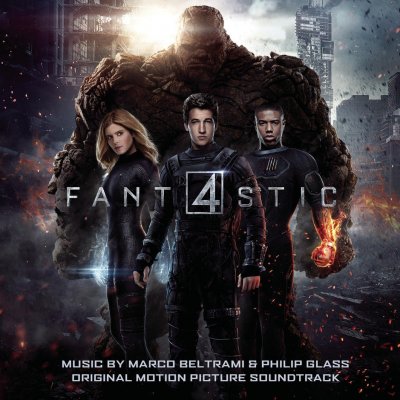
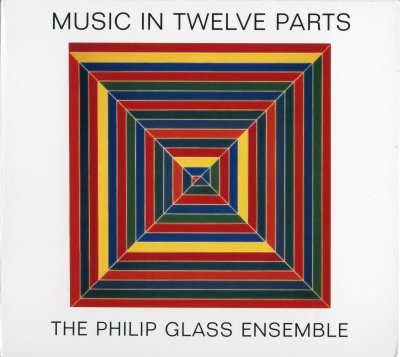
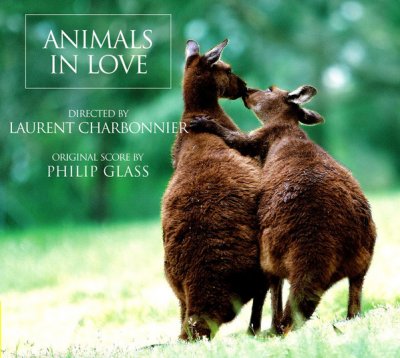
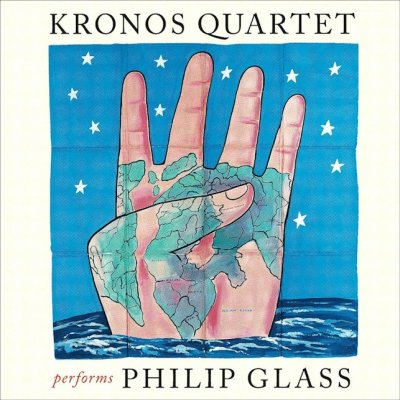
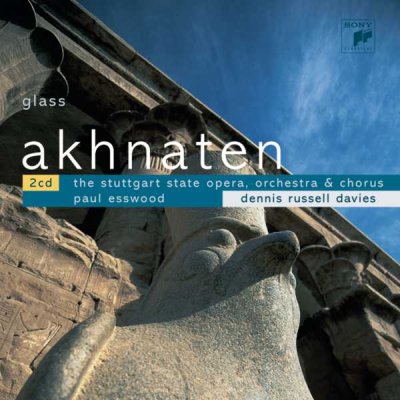
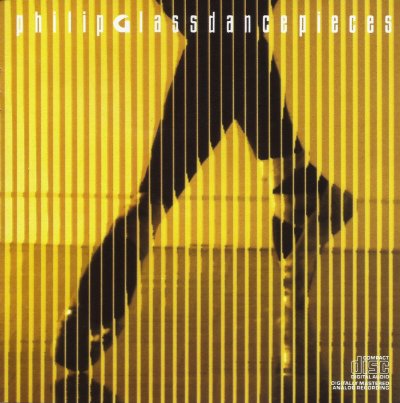
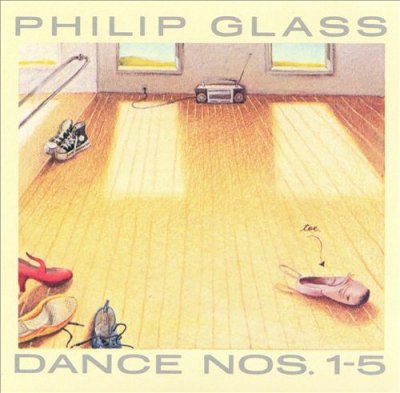
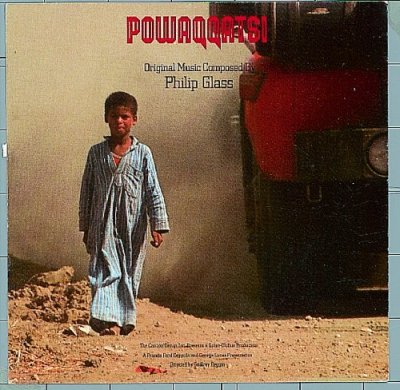
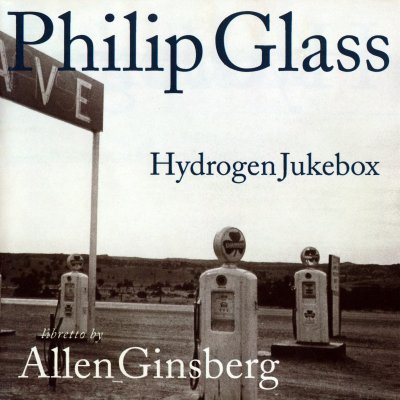
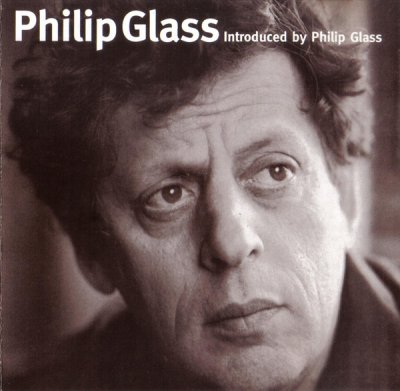
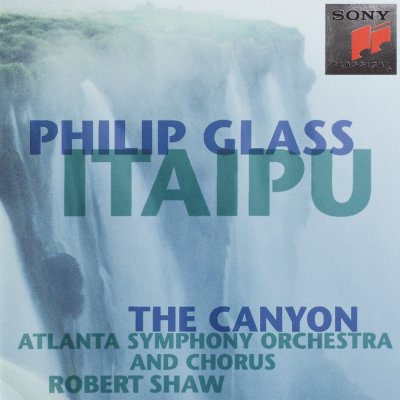
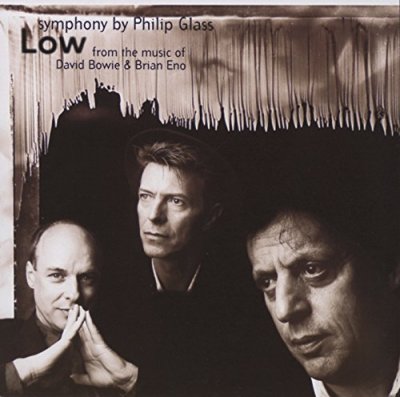
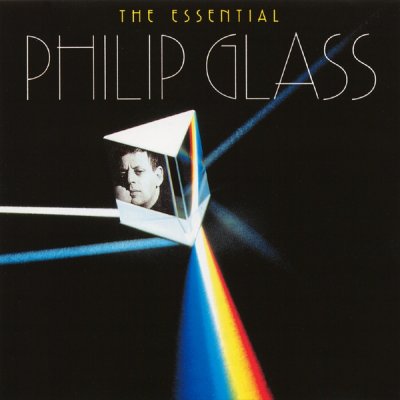
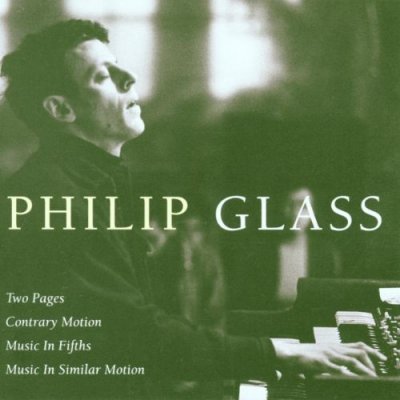
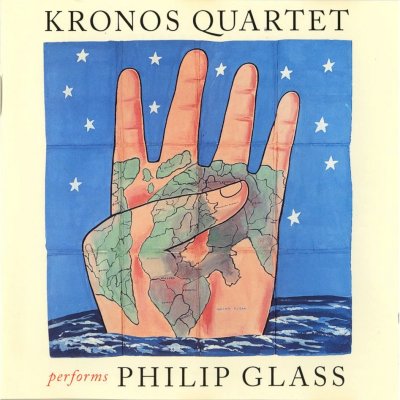
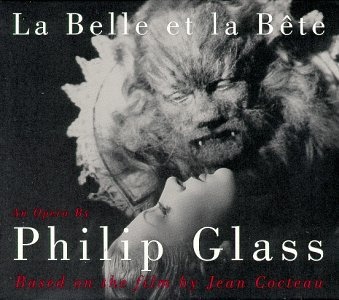
Discography
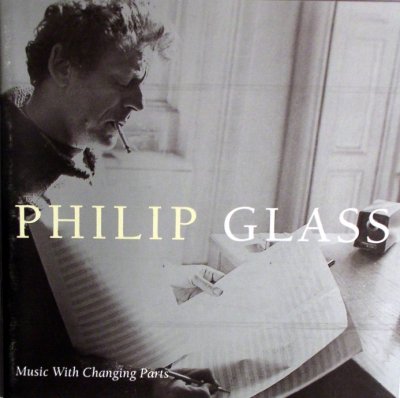
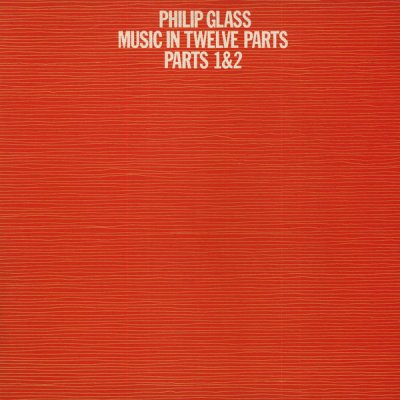
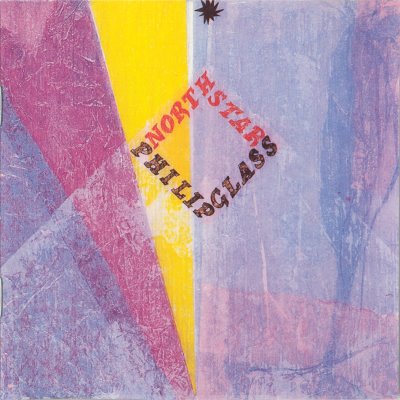
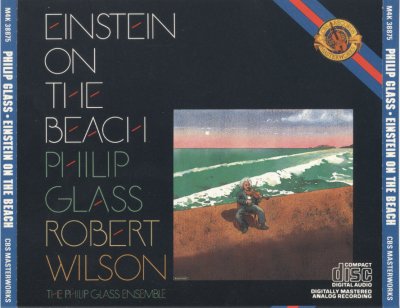
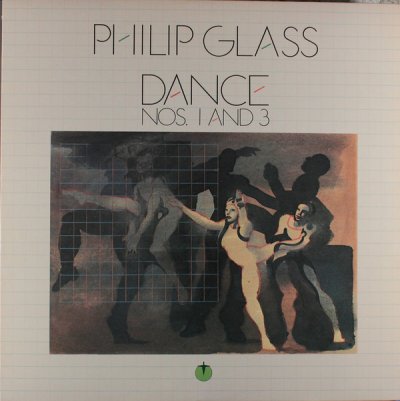
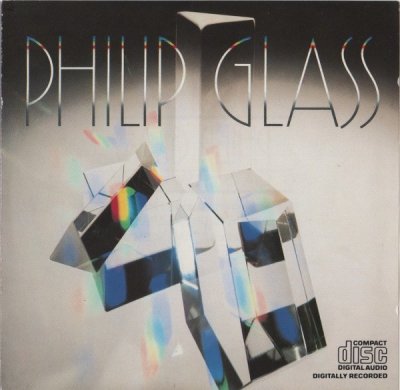
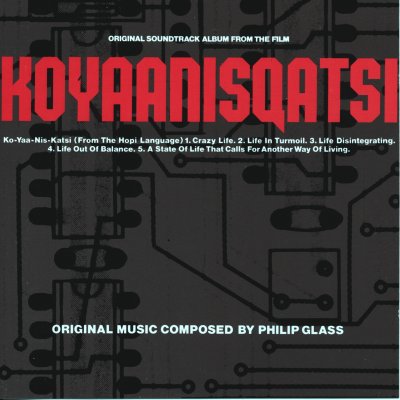
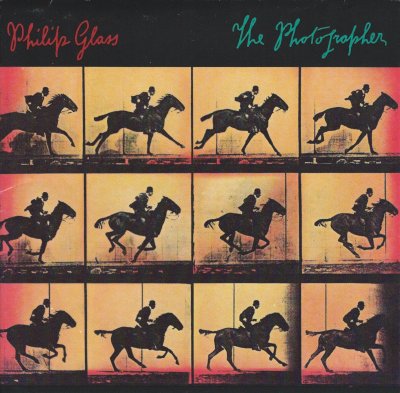
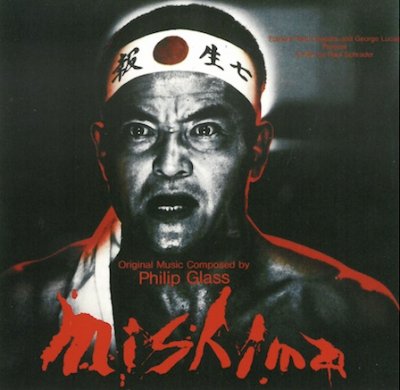
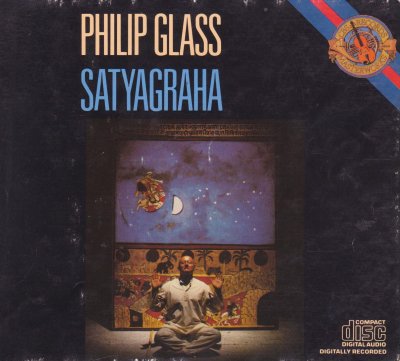
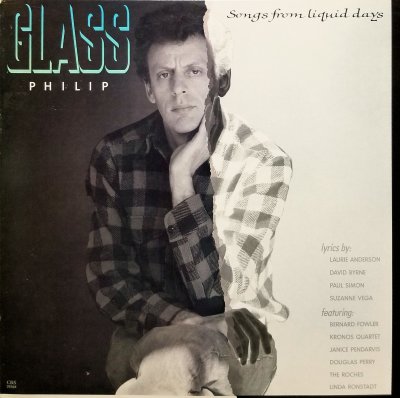
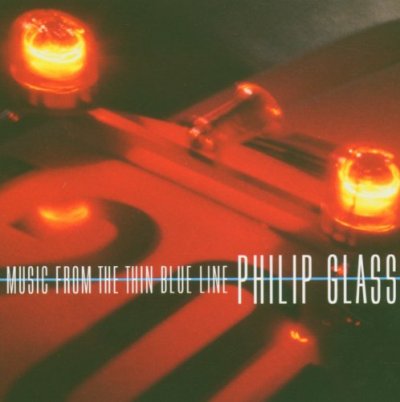
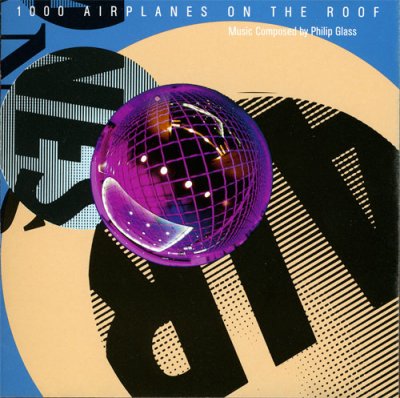
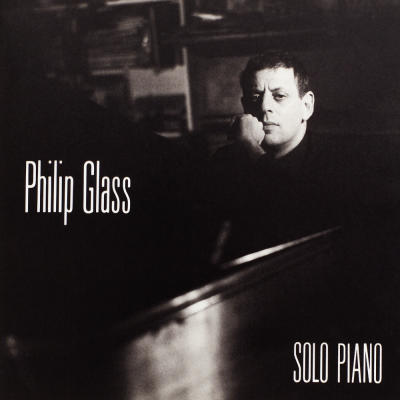
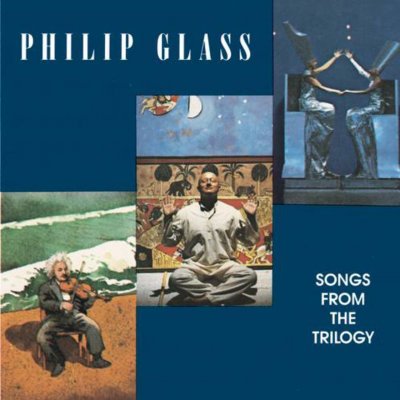
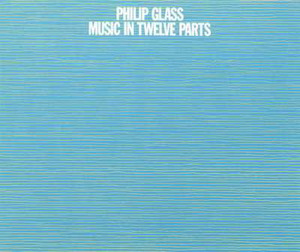
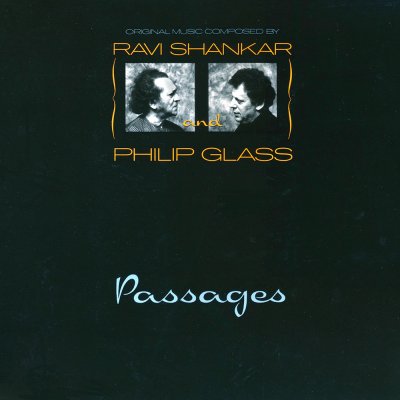
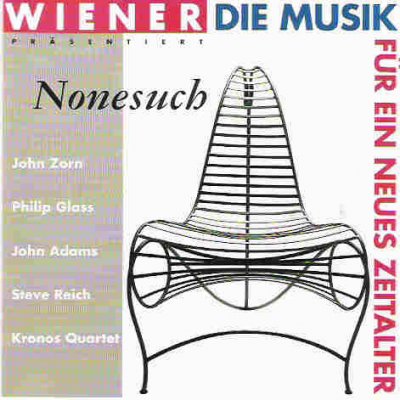
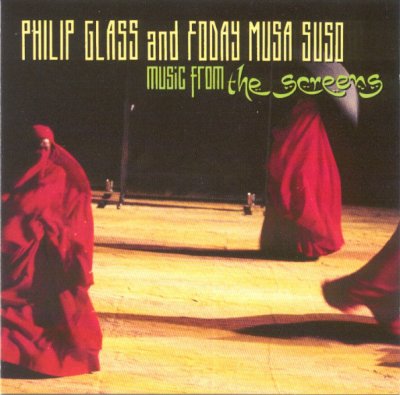
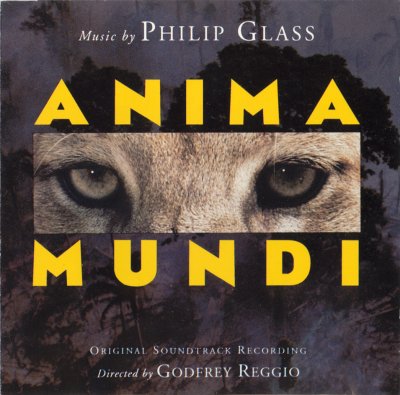

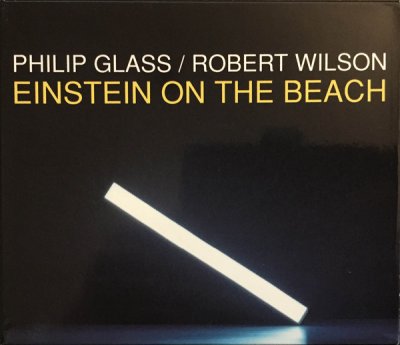
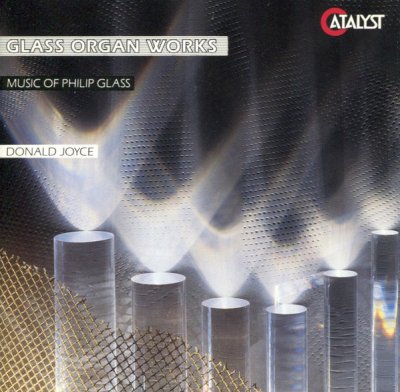
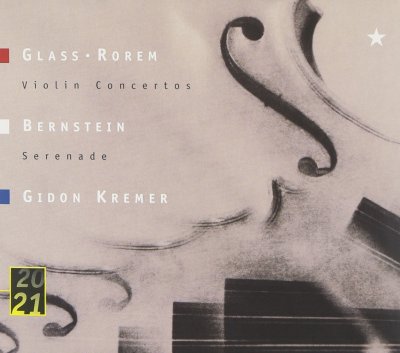

Credits
Ranked #1,864 of 14,615 producers — 695.02 career Groove across 16 records.