Montserrat Caballé
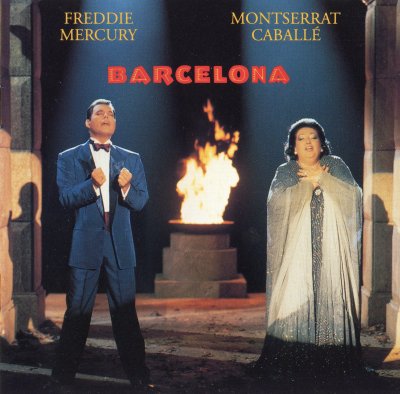
Montserrat Caballé (Catalan: [munsəˈrat kəβəˈʎe], Spanish: [monseˈrat kaβaˈʎe]) (born 12 April 1933) is a Spanish operatic soprano. She has sung a wide variety of roles, but is best known as an exponent of the bel canto repertoire, notably the works of Rossini, Bellini, Donizetti and Verdi. María de Montserrat Bibiana Concepción Caballé i Folch was born in Barcelona and studied music at the Liceu Conservatory, and singing technique with Napoleone Annovazzi, Eugenia Kemény and Conchita Badía. She graduated with a gold medal in 1954.
She subsequently moved to Basel, Switzerland, where she made her professional debut in 1956 as Mimì in Puccini's La bohème. She became part of the Basel Opera company between 1957 and 1959, singing a repertoire that included Mozart (Erste Dame in The Magic Flute) and Richard Strauss (Salome) in German, unusual for Spanish singers, but which proved useful for her next engagement at the Bremen Opera (1959–1962). In 1962, Caballé returned to Barcelona and debuted at the Liceu, singing the title role in Strauss's Arabella. From the fall of 1962 through the spring of 1963 she toured Mexico, at one point singing the title role in Massenet's Manon at the Palacio de Bellas Artes.
This was followed by several more successful appearances at the Liceu in 1963.
The Groove is music.nw’s own measure of renown — not an opinion, a fact computed from the record. It weighs reach (how many people engaged) against acclaim (how highly they rated it), balanced so a handful of votes can’t outshout a lasting favourite.
Computed the NeuraWeb way, across the whole record. The same yardstick for everyone — which is why the little-known can out-Groove the famous in their own corner.
How Montserrat Caballé moved
Genre belongs to the record, not to the artist. Every album’s Groove is shared out across the genres it actually is — by how the raters tagged it — so nobody is 100% one thing. Stack that by decade and a career draws itself.
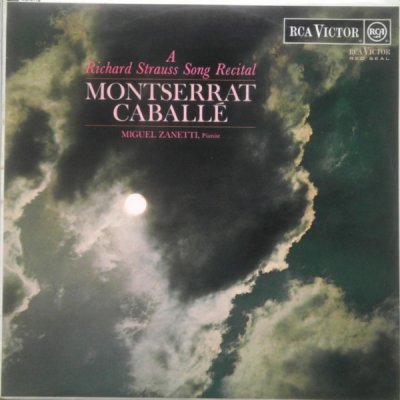
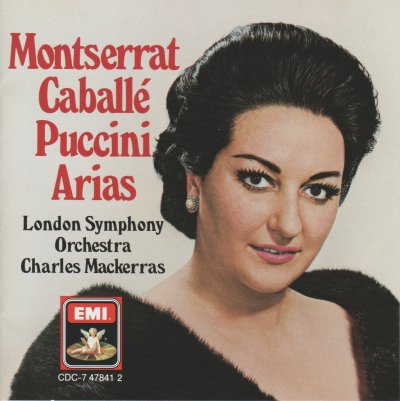
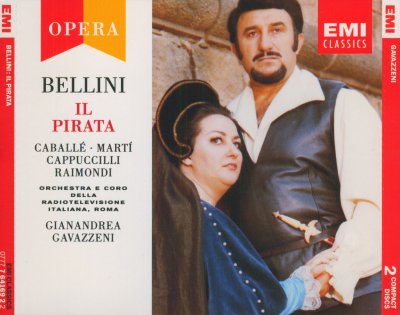
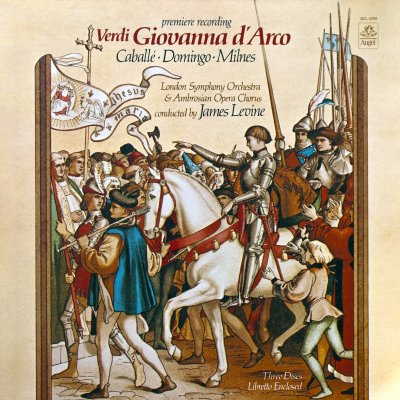
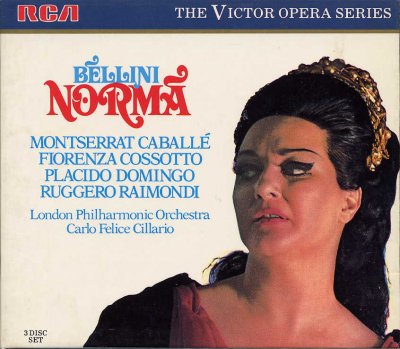
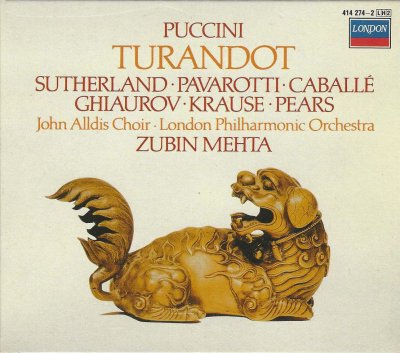
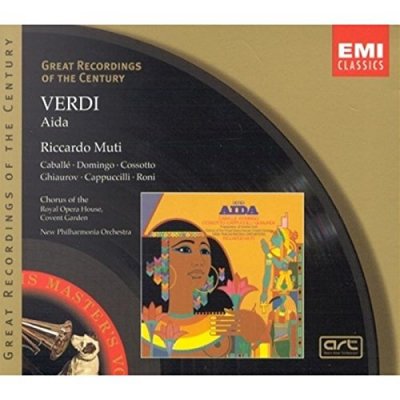
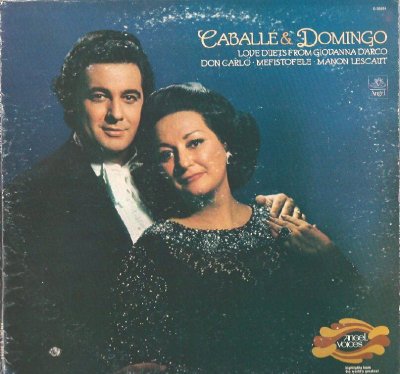
Discography


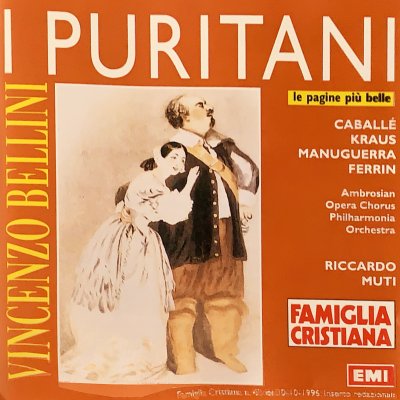
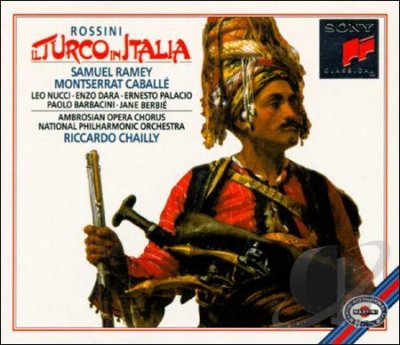
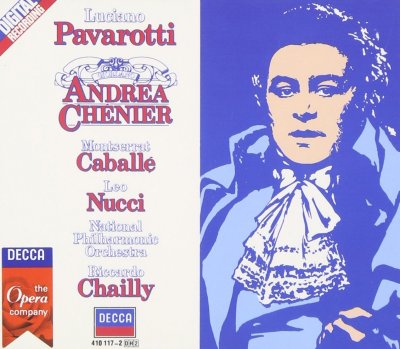
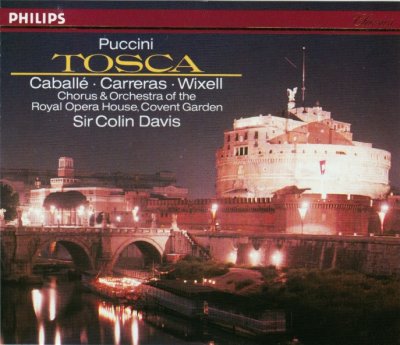
Credits