music.nwby NeuraWeb Global Inc.
~13.0M artists · ~39.4M recordings indexed
Narrow to
MM
Person · South African singer-songwriter

Miriam Makeba

Albums
127
Members
1
Active
1932–2008
Origin
South Africa
Biography

Zenzile Miriam Makeba (4 March 1932 – 9 November 2008), also known as Mama Africa, was a South African singer, actor, United Nations goodwill ambassador, and civil rights activist. Associated with musical genres including Afropop, jazz, and world music, she was known for her advocacy against apartheid and white-minority government in South Africa.

Born in Johannesburg to Swazi and Xhosa parentage, Makeba was forced to find employment as a child after the death of her father. She had a brief and allegedly abusive first marriage at the age of 17, gave birth to her only child in 1950, and survived breast cancer. Her vocal talent had been recognised when she was a child, and she began singing professionally in the 1950s, with the Cuban Brothers, the Manhattan Brothers, and an all-woman group, The Skylarks, performing a mixture of jazz, traditional African melodies, and Western popular music. In 1959, Makeba had a brief role in the anti-apartheid film Come Back, Africa, which brought her international attention, and led to her travelling performances in Venice, London, and New York City. In London, she met Harry Belafonte, who became a mentor and colleague. She moved to New York City, where she became immediately popular, and recorded her first solo album in 1960. Her attempt to return to South Africa that year for her mother's funeral was prevented by the country's government.

Makeba's career flourished in the United States, and she released several albums and songs, her most popular being "Pata Pata" (1967). Along with Belafonte she received a Grammy Award for her 1966 album An Evening with Belafonte/Makeba. She testified against the South African government in front of the United Nations and became involved in the African-American civil rights movement. She married Stokely Carmichael, a leader of the Black Panther Party, in 1968: as a result, she lost support among white Americans and faced hostility from the U.S. government, leading her and Carmichael to move to Guinea. She continued to perform, mostly in African countries, including at several independence celebrations. She also began to write and perform music more explicitly critical of apartheid; the 1977 song "Soweto Blues", written by her former husband Hugh Masekela, was about the Soweto Uprising. After apartheid was dismantled in 1990, Makeba returned to South Africa. She appeared in the 1992 film Sarafina!, was named a UN goodwill ambassador in 1999, and campaigned for several humanitarian causes. She continued recording and performing, including a 1991 collaboration with Nina Simone and Dizzy Gillespie, before dying of a heart attack during a 2008 concert in Italy.

Makeba was among the first African musicians to receive worldwide recognition. She is credited with bringing African music to a Western audience, and with popularising the world music and Afropop genres. She also made popular several songs critical of apartheid, and became a symbol of opposition to this system, particularly after her right to return was revoked. Upon her death, former South African President Nelson Mandela said that "her music inspired a powerful sense of hope in all of us."

Discography
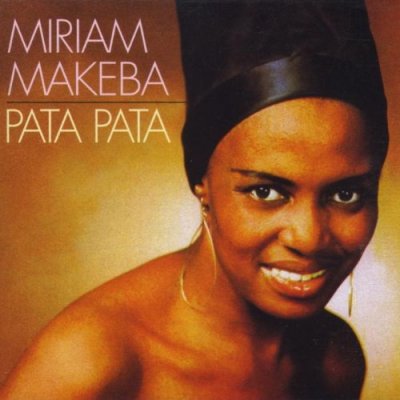
Miriam Makeba
Miriam Makeba · 1960
The Click Song
Miriam Makeba · 1960
The Click Song
Miriam Makeba · 1960
Makeba - Belafonte
Miriam Makeba · 1961
Theme From "Black Orpheus"
Miriam Makeba · 1962
The Click Song
Miriam Makeba · 1963
Dubula / Kwedini / Umhome / Amampondo
Miriam Makeba · 1964
Forbidden Games
Miriam Makeba · 1964
Forbidden Games
Miriam Makeba · 1964
The Voice of Africa
Miriam Makeba · 1964
The Voice Of Africa
Miriam Makeba · 1964
An Evening With Belafonte/Makeba
Miriam Makeba · 1965
All About Miriam
Miriam Makeba · 1966
All About Miriam
Miriam Makeba · 1966
Mommy, Mommy What Is Heaven Like / The Ballad Of The Sad Young Men
Miriam Makeba · 1966
The Magic of Makeba
Miriam Makeba · 1966
The Magnificent Miriam Makeba
Miriam Makeba · 1966
The Magnificent Miriam Makeba
Miriam Makeba · 1966
The World of Miriam Makeba
Miriam Makeba · 1966
In Concert
Miriam Makeba · 1967
Malayisha
Miriam Makeba · 1967
Malayisha / Ring Bell, Ring Bell
Miriam Makeba · 1967
Album cover
Pata Pata
Miriam Makeba · 1967
Pata Pata / Ha Po Zamani
Miriam Makeba · 1967
Pata Pata / Maria Fulo
Miriam Makeba · 1967
All About Miriam Makeba = マシュケナダ / ミリアム・マケバの魅力
Miriam Makeba · 1968
Click Song
Miriam Makeba · 1968
Makeba!
Miriam Makeba · 1968
Miriam Makeba In Tokyo
Miriam Makeba · 1968
Mr. Man
Miriam Makeba · 1968
The Best of Miriam Makeba
Miriam Makeba · 1968
What Is Love
Miriam Makeba · 1968
I Shall Be Released
Miriam Makeba · 1969
I Shall Be Released / Emavungwini
Miriam Makeba · 1969
I Shall Sing / Brand New Day
Miriam Makeba · 1970
Keep Me in Mind
Miriam Makeba · 1970
Live in Africa
Miriam Makeba · 1972
Forbidden Games
Miriam Makeba · 1973
Pata Pata / Malayisha
Miriam Makeba · 1973
A Promise
Miriam Makeba · 1974
Miriam Makeba
Miriam Makeba · 1974
A Promise / We Got To Make It
Miriam Makeba · 1975
Harry Belafonte & Miriam Makeba
Miriam Makeba · 1975
Malcom X / Malaika
Miriam Makeba · 1975
Pata Pata / Mas Que Nada
Miriam Makeba · 1976
Pata Pata: Live for My Brothers and Sisters
Miriam Makeba · 1977
Country Girl
Miriam Makeba · 1978
Country Girl
Miriam Makeba · 1978
Comme une symphonie d'amour / Malaisha / Sabelani / African Convention
Miriam Makeba · 1979
African Convention
Miriam Makeba · 1980
Myriam Makeba
Miriam Makeba · 1980
Myriam Makeba
Miriam Makeba · 1986
Myriam Makeba
Miriam Makeba · 1987
Myriam Makeba
Miriam Makeba · 1987
The Queen of African Music
Miriam Makeba · 1987
The Queen Of African Music
Miriam Makeba · 1987
Sangoma
Miriam Makeba · 1988
A Promise
Miriam Makeba · 1989
Pata Pata (Remix Dance Version '89)
Miriam Makeba · 1989
Welela
Miriam Makeba · 1989

Credits

The Many Voices of Miriam Makeba
Vocal · 2011
If It's Lovin' That You Want
Writer · 2005
Reflections
Vocal · 2004
Floating in Shallow Water
Composer · 1999
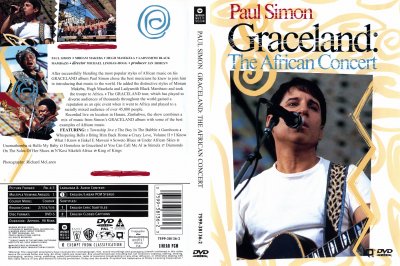
Album cover
Graceland: The African Concert
Performer · 1999
Best of Miriam Makeba & The Skylarks
Vocal · 1998
Gigolo
Lyricist · 1998
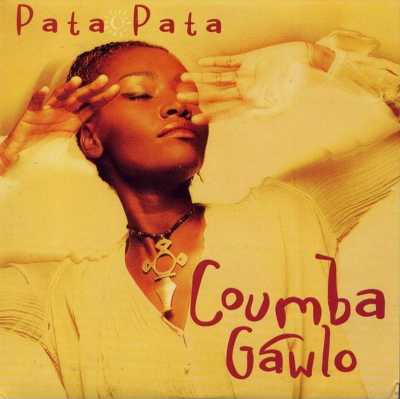
Album cover
Pata Pata
Writer · 1998
Welela
Vocal · 1989
Sangoma
Liner Notes · 1988
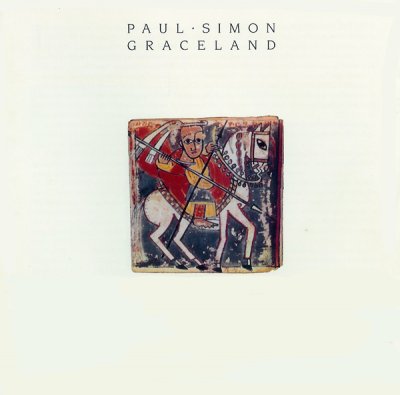
Album cover
Graceland
Performer · 1986
Comme une symphonie d'amour / Malaisha / Sabelani / African Convention
Vocal · 1979
Black Hole
Writer · 1978
Pata Pata: Live for My Brothers and Sisters
Vocal · 1977
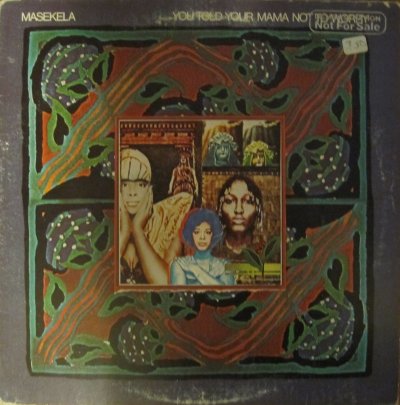
Album cover
You Told Your Mama Not to Worry
Vocal · 1977
Emavungwini (Down in the Dumps)
Arranger · 1970
Keep Me in Mind
Liner Notes · 1970
Makeba!
Writer · 1968
Pata Pata
Vocal · 1967
Album cover
Pata Pata
Vocal · 1967
The World of Miriam Makeba
Writer · 1966
An Evening With Belafonte/Makeba
Writer · 1965
Miriam Makeba
Vocal · 1960
African Convention
Vocal · —
All About Miriam
Vocal · —
All About Miriam Makeba = マシュケナダ / ミリアム・マケバの魅力
Vocal · —
A Promise
Producer · —
A Promise / We Got To Make It
Performer · —
Belafonte Returns To Carnegie Hall
Performer · —
Best Of The Dark City Sisters (Zulu)
Writer · —
Chant Of The Marching
Vocal · —
Country Girl
Producer · —
Djofe : Laissez-Moi Faire
Liner Notes · —
Dubula / Kwedini / Umhome / Amampondo
Writer · —
Everything, For My Love / Do You Remember, Malcolm?
Producer · —
In Concert
Vocal · —
King Kong - All African Jazz Opera
Vocal · —
Latin Workout
Composer · —
Live At Bern's Salonger, Stockholm, Sweden, 1966
Vocal · —
Makeba - Belafonte
Vocal · —
Malayisha
Vocal · —
Malayisha / Ring Bell, Ring Bell
Vocal · —
Miriam Makeba
Vocal · —
Pata Pata
Writer · —
Pata Pata
Writer · —
Pata Pata
Writer · —
Pata Pata
Composer · —
Pata Pata
Writer · —
Pata Pata
Writer · —
Pata Pata
Writer · —
Pata Pata
Composer · —
Pata Pata
Writer · —
Pata Pata / Doing My Thing
Writer · —
Pata Pata / Malayisha
Writer · —
Pata Pata (Remix Dance Version '89)
Writer · —
Pata Pata, Rock Steady / Nyiah Bongo
Writer · —
Soweto
Lyricist · —
Sunshine Day
Writer · —
Thabang
Writer · —
The Click Song / Liwa Wechi
Writer · —