Michael Brecker
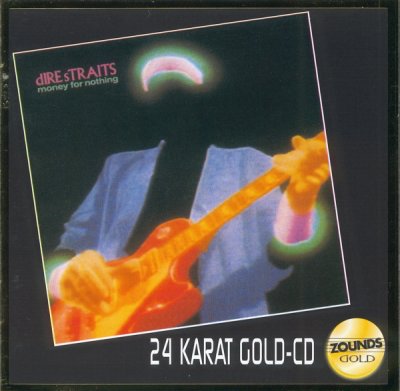
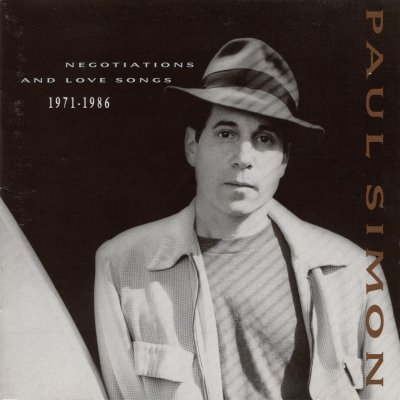
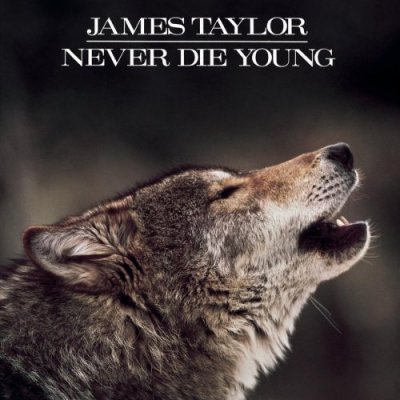
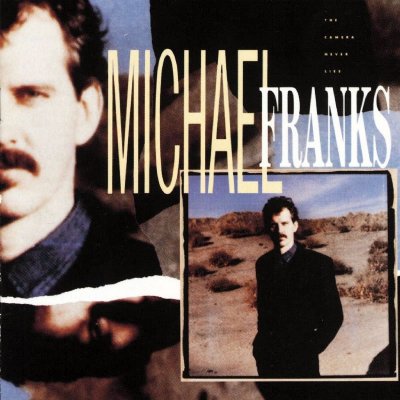
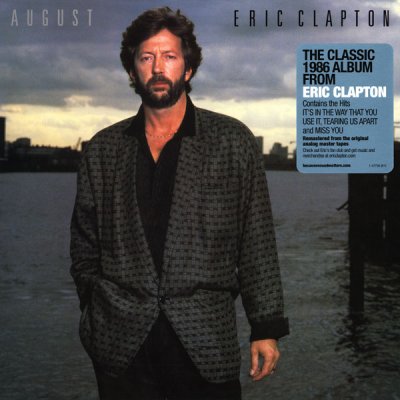
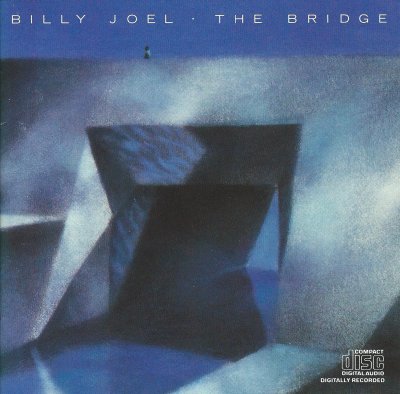
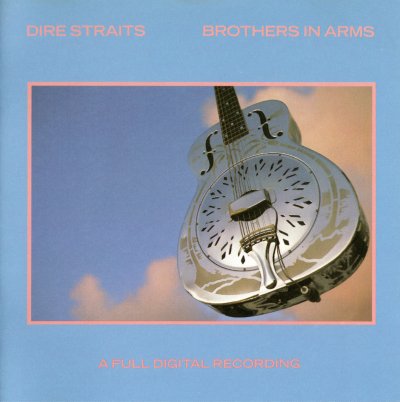
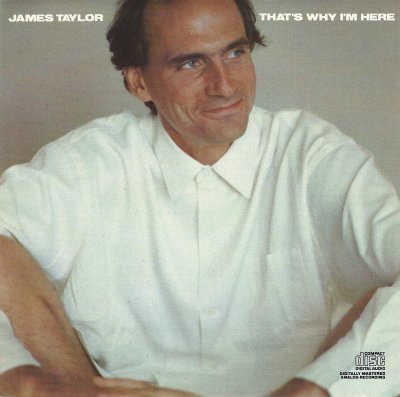
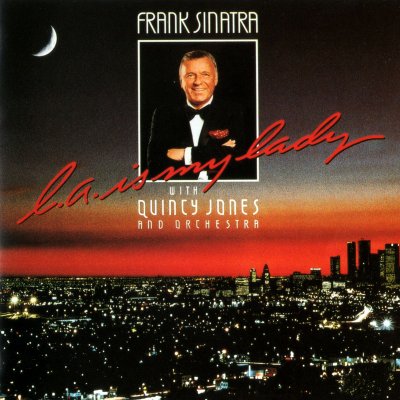
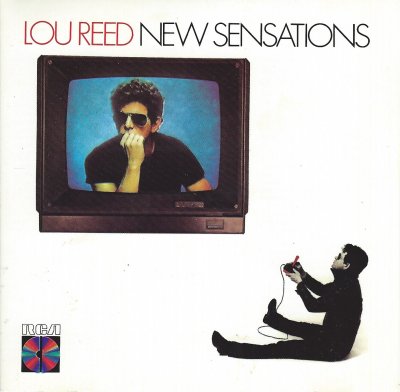
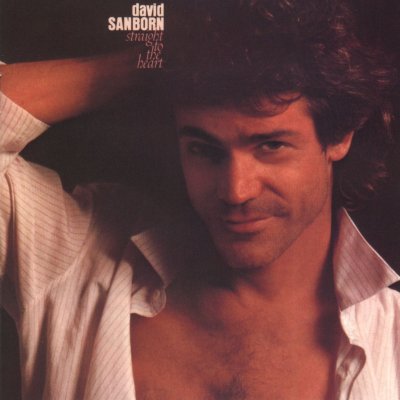
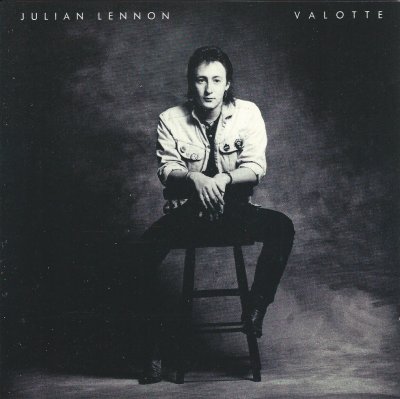
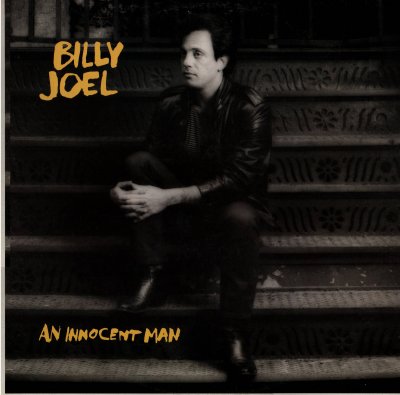
Michael Leonard Brecker was an American jazz saxophonist and composer. Acknowledged as "a quiet, gentle musician widely regarded as the most influential tenor saxophonist since John Coltrane", he was awarded 15 Grammy Awards as both performer and composer. He was awarded an Honorary Doctorate from Berklee College of Music in 2004, and was inducted into Down Beat Jazz Hall of Fame in 2007. Born in Philadelphia, Pennsylvania and raised in Cheltenham Township, a local suburb, Michael Brecker was exposed to jazz at an early age by his father, an amateur jazz pianist. He grew up a part of the generation of jazz musicians, who saw rock music not as the enemy but as a viable musical option. Brecker began studying clarinet, then moved to alto saxophone in school, eventually settling on the tenor saxophone as his primary instrument. He graduated from Cheltenham High School in 1967 and after only a year at Indiana University, Michael Brecker moved to New York City in 1969, where he carved out a niche for himself as a dynamic and exciting jazz soloist. He first made his mark at age 21 as a member of the jazz-rock band Dreams—a band that included his older brother, trumpeter Randy Brecker, trombonist Barry Rogers, drummer Billy Cobham, keyboardist Jeff Kent and bassist Doug Lubahn. Dreams was short-lived, lasting only a year, but Miles Davis was seen at some gigs prior to his recording Jack Johnson. Most of Brecker's early work is marked by an approach informed as much by rock guitar as by R&B saxophone. After Dreams, he worked with Horace Silver and then Billy Cobham before once again teaming up with his brother Randy to form the Brecker Brothers. The band followed jazz-rock trends of the time, but with more attention to structured arrangements, a heavier backbeat, and a stronger rock influence. The band stayed together from 1975 to 1982 with consistent success and musicality. Brecker was in great demand as a soloist and sideman. He performed with bands whose styles ranged from mainstream jazz to mainstream rock. Altogether, he appeared on over 700 albums, either as a band member or a guest soloist. He put his stamp on numerous pop and rock recordings as a soloist. His featured guest solos with James Taylor and Paul Simon are excellent examples of this strand of his work. For example, on James Taylor's 1972 album, One Man Dog, Brecker's solo on the track "Don't Let Me Be Lonely Tonight" complements the other acoustic instruments and sparse vocal. On Paul Simon's 1975 album Still Crazy After All These Years, Brecker's solo on the title track is used to a similar effect. His solos are often placed in the bridge, or appended as a coda. This combination of musical structure and instrumentation typifies (and to some extent defines) this jazz-rock fusion style. Other notable jazz and rock collaborations in include work with Steely Dan, Lou Reed, Donald Fagen, Dire Straits, Joni Mitchell, Eric Clapton, Billy Joel, John Lennon, Aerosmith, Dan Fogelberg, Frank Sinatra, Frank Zappa, Bruce Springsteen, and Parliament-Funkadelic.
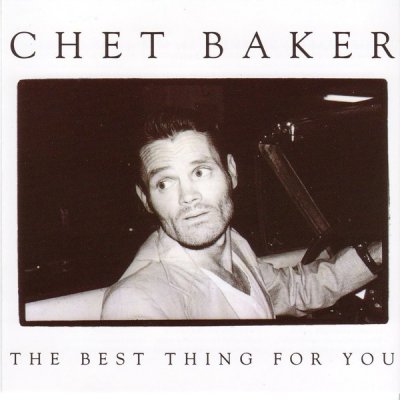
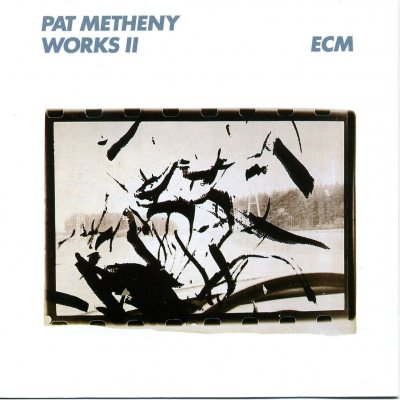
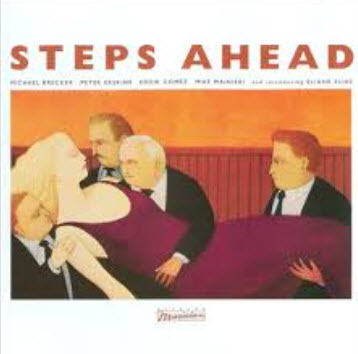
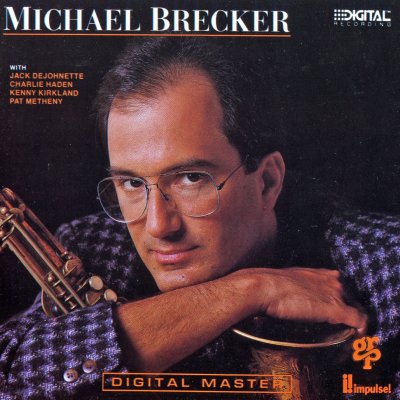
Brecker also recorded or performed with leading jazz figures during his era, including Herbie Hancock, Chick Corea, Chet Baker, George Benson, Quincy Jones, Charles Mingus, Jaco Pastorius, McCoy Tyner, Pat Metheny, Elvin Jones, Claus Ogerman, and many others. During the early 1980s, he was also a member of NBC’s Saturday Night Live Band. Brecker can be seen in the background sporting shades during Eddie Murphy’s James Brown parody. After a stint co-leading the all-star group Steps Ahead with Mike Mainieri, Brecker finally recorded a solo album in 1987. That eponymously titled debut album marked his return to a more traditional jazz setting, highlighting his compositional talents and featuring the EWI (Electronic Wind Instrument), which Brecker had previously played with Steps Ahead. In 1987 he featured his new solo CD at the JVC Newport Jazz Festival, incorporating the EWI. Referring to the sound, that Brecker produced from the EWI, musician and opening act Ruben Riera (flautist and percussionist, performing with The Gary Pearson Ensemble) said "it was amazing". He continued to record albums as a leader throughout the 1990s and 2000s, winning multiple Grammy Awards. His solo and group tours consistently sold out top jazz venues in major cities worldwide.
Michael Brecker in Munich (July 2001)
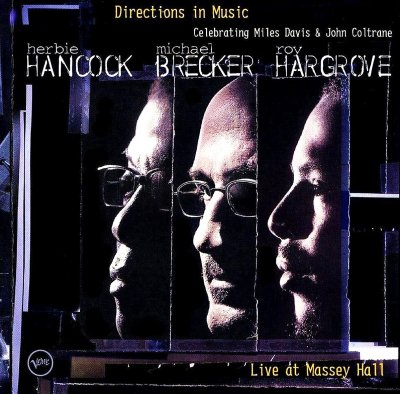
He went on tour in 2001 with a collaborative group, Hancock-Brecker-Hargrove. This tour was dedicated to jazz pioneers John Coltrane and Miles Davis. Brecker paid homage to Coltrane by performing Coltrane's signature piece, "Naima". This composition is a definitive work for tenor sax; its demanding solo enabled Brecker to show his complete mastery of the instrument. The live concert CD from the tour, Directions in Music (2001), won a Grammy in 2003.
While performing at the Mount Fuji Jazz Festival in 2004, Brecker experienced a sharp pain in his back. Shortly thereafter in 2005, he was diagnosed with the blood disorder myelodysplastic syndrome (MDS). Despite a widely publicized worldwide search, Brecker was unable to find a matching stem cell donor. In late 2005, he was the recipient of an experimental partial matching stem cell transplant. By late 2006, he appeared to be recovering, but the treatment proved not to be a cure. He made his final public performance on June 23, 2006, playing with Herbie Hancock at Carnegie Hall. On January 13, 2007, Michael Brecker died from complications of leukemia in New York City. His funeral was held on January 15, 2007 in Hastings-on-Hudson, NY.
On February 11, 2007, Michael Brecker was awarded two posthumous Grammy awards for his involvement on his brother Randy's 2005 album Some Skunk Funk.
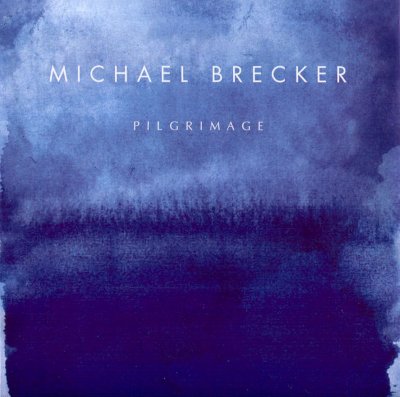
On May 22, 2007, his final recording, Pilgrimage, was released receiving a good critical response. It was recorded in August 2006 with Pat Metheny on guitar, John Patitucci on bass, Jack DeJohnette on drums and Herbie Hancock and Brad Mehldau on piano. Brecker was critically ill, when it was recorded but the other musicians involved praised the standard of his musicianship. Brecker was again posthumously nominated and subsequently awarded two additional Grammy Awards for this album in the categories of Best Jazz Instrumental Solo and Best Jazz Instrumental Album, Individual or Group, bringing his Grammy total to 15.
During his career, Brecker played a Selmer Mark VI tenor saxophone (serial number 86xxx, manufactured in 1960) using a customized Dave Guardala mouthpiece. Early in his career, he had played a Selmer Super Balanced Action saxophone. His earlier mouthpieces included a metal Otto Link STM (during the mid-1970s) and a metal Dukoff in the late 1970s and early 1980s. In the summer of 2004, Brecker was diagnosed with myelodysplastic syndrome (MDS), an early form of leukemia. In need of a bone marrow transplant to save his life, Brecker searched in the International Bone Marrow Registry for a match. This prompted Michael’s wife and manager to organize a series of bone marrow drives throughout the world, including the Red Sea, Monterey, and Newport Jazz Festivals. Brecker was subsequently featured in a film directed by Noah Hutton {son of Debra Winger and Timothy Hutton} named More to Live For.
The film is the story of three lives, all shaken by cancer and dependent upon the one vital bone marrow match, that could save them. Their unrelated paths become connected in a desperate fight for survival and a singular mission: to bring awareness about bone marrow donation to the millions of people, who could save a life today. A film of tragedy and loss, strength and hope, “More to Live For” presents the stories of three individuals facing life and death, and their commitment to making a difference. These deeply personal accounts of confronting illness will inspire hope and action, leaving the viewer empowered to become part of the cure. "More to Live For" documents Brecker's intense battle with leukemia, and the production of his final recording, "Pilgrimage". By going public with his illness, Brecker raised tens of thousands of dollars for testing, and signed up many thousands of donors, but was unable to find a match for himself.
Michael Brecker died on January the 13th, 2007. He was 57 years old.
Friend and jazz pianist Herbie Hancock said that around nine months before his death, Brecker had started practicing Buddhism and three months later joined Soka Gakkai International, a group associated with Nichiren Buddhism. At Brecker's memorial service, Hancock, Wayne Shorter and Buster Williams (who all practice the same form of Buddhism) as well as Brecker’s son, Sam, sat in a line with their backs to the audience while facing a painted scroll in a wooden shrine, and chanted, “Nam myoho renge kyo” for five minutes.
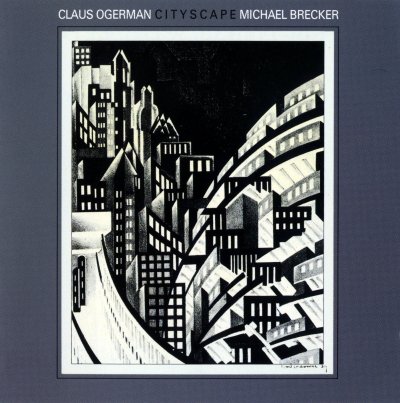
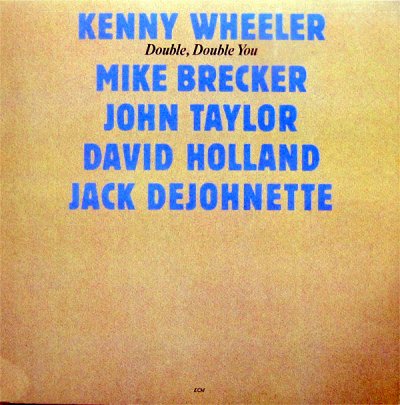
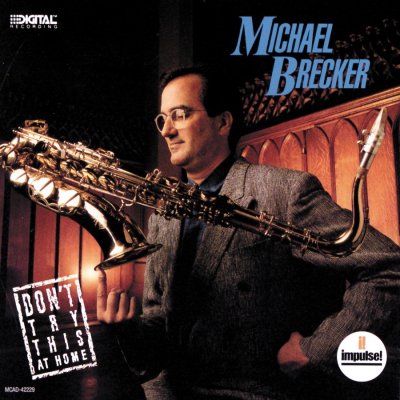
Discography

Credits
Ranked #6,972 of 14,615 producers — 175.76 career Groove across 3 records.