Luis Alberto Spinetta
Luis Alberto "El Flaco" Spinetta (23 January 1950 – 8 February 2012) was an Argentine musician. As one of the most influential rock musicians of South America, together with Charly García is considered the father of Argentine rock. He was born in Buenos Aires in the residential neighbourhood of Belgrano. During his early childhood he was already listening to all kinds of music: folklore and tango, and a little bit later, rock.
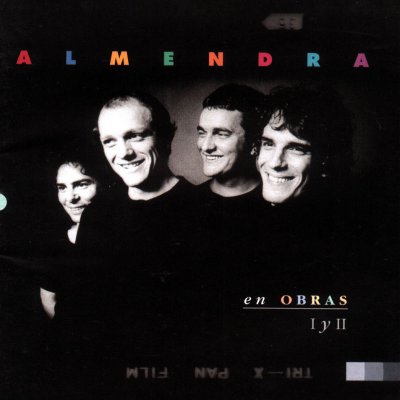
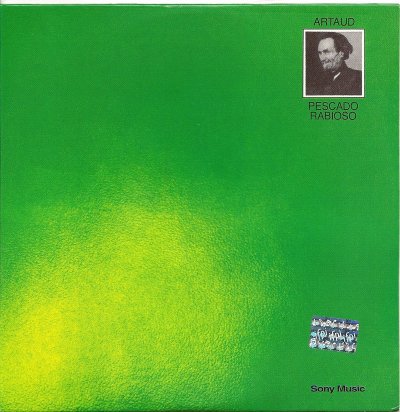
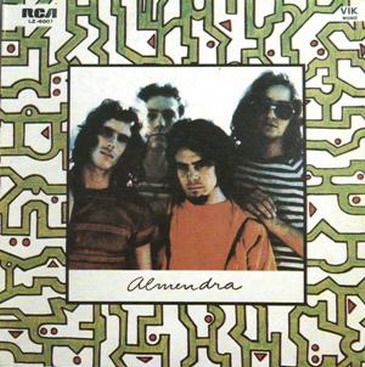
In 1967, amidst the repressive political climate, he formed a band called Almendra with his schoolmates. Contrasting with the backwards and authoritarian government of General Juan Carlos Onganía, Buenos Aires was undergoing a cultural blossoming based on new art expressions; the new generation, among sons of the middle class, were immersed in an effervescence that would not reappear in Argentina until 1983. Spinetta devoted himself fully to his own music. In his lyrics, there are influences of multiple writers, poets and artists like Arthur Rimbaud, Vincent van Gogh, Carl Jung, Sigmund Freud, Friedrich Nietzsche, Michel Foucault, Gilles Deleuze, Carlos Castaneda and Antonin Artaud, who has his name in the album Artaud.
On 23 December 2011 he published on the Twitter account of his son Dante that he was facing lung cancer. He died on February 8, 2012 in his native Argentina, at the age of 62. His ashes were scattered in the waters of the Río de la Plata, according to his last wish, next to the Memory Park built to remember the desaparecidos of the National Reorganization Process. Music In 1969, Spinetta's band, Almendra, recorded their first album.
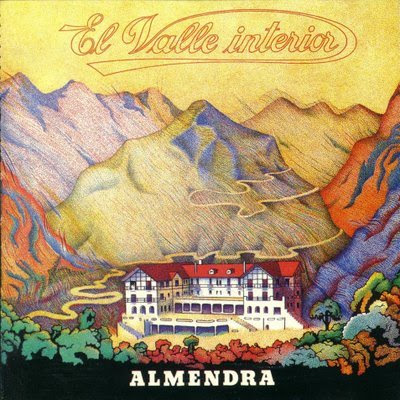
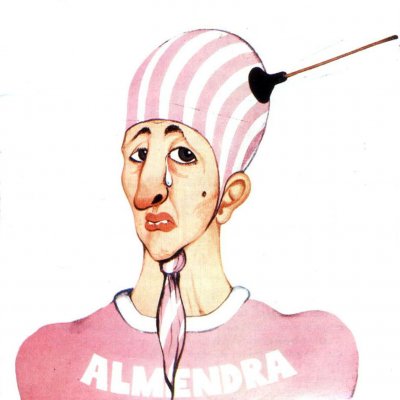
They started recording and playing intensively and later it became successful almost overnight. Almendra composed its own songs and their lyrics were written in Spanish, something which was radically new for Argentina's music history. After two albums that were received with critical acclaim and continuous radio diffusion, the band split. After a lengthy stay in Europe, Spinetta returned to Argentina and afterwards formed a new band: Pescado Rabioso.
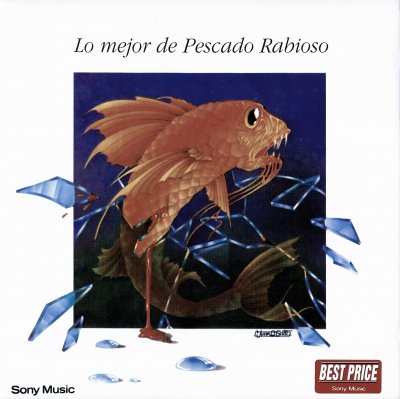
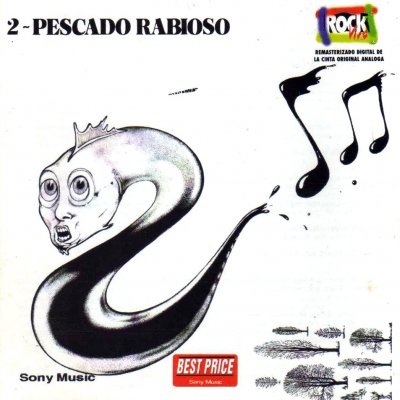
With a far more powerful sound and expressing through their songs and lyrics the tension of the streets in an increasingly violent Argentina, Pescado made their album debut in 1972. It was both a continuation of the creative stream of Spinetta and a drastic change in the style of his own music and lyrics. Later, the band recorded a second album. Although a third album, released in 1973 and called Artaud, it carried the band's name when there were actually already dissolved.
Therefore, it was mostly a solo album by Spinetta himself. Partly based on the writings of Antonin Artaud, Spinetta exorcised many of the demons of his past in this album. This process would open the door to a new era in his music. In 1974 he formed a new band, Invisible.
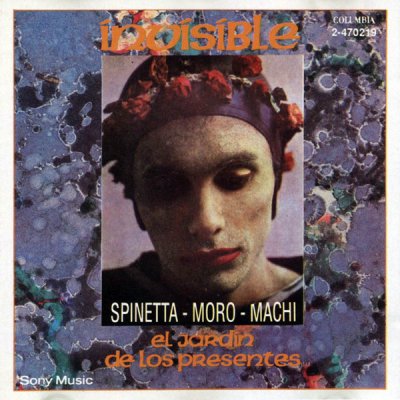
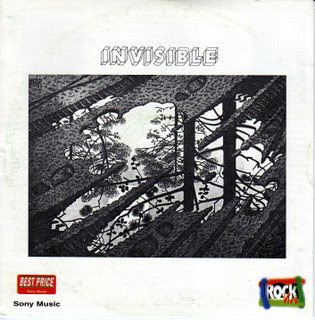
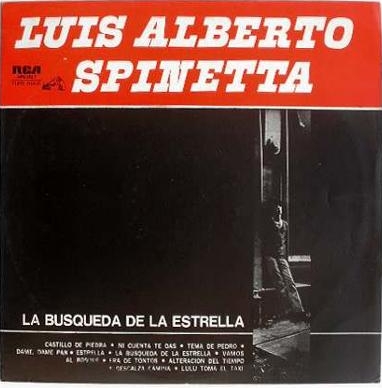
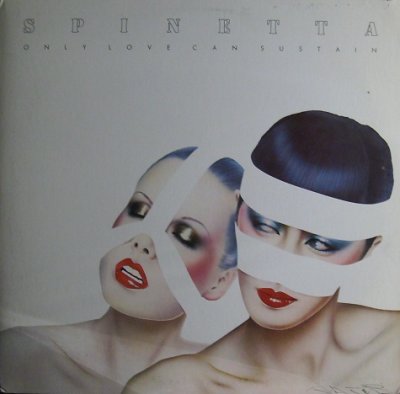
With his new band he recorded three albums: Invisible, Durazno Sangrando and El Jardín De Los Presentes. With Invisible, the new tunes were more harmonic. Luis Alberto Spinetta in 1977 After recording and editing a failed album in the United States in 1979, with lyrics in English and destined to the U.S. market, Spinetta returned to Argentina to record two albums with a short-lived Almendra Revival (one with original songs and the other live), and embarked on a new project: Spinetta Jade. The 1980s and beyond Spinetta Jade would prove to be a successful and innovative band; Spinetta was joined by some of the greatest Argentinan musicians of those and all times to help him build the new sound he was building since Invisible.
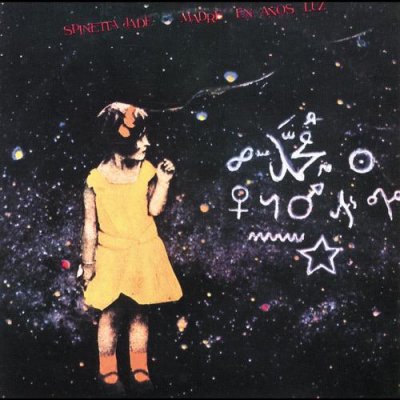
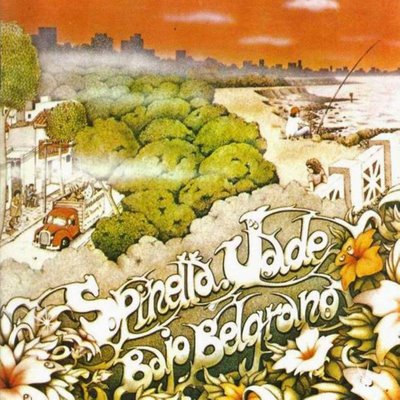
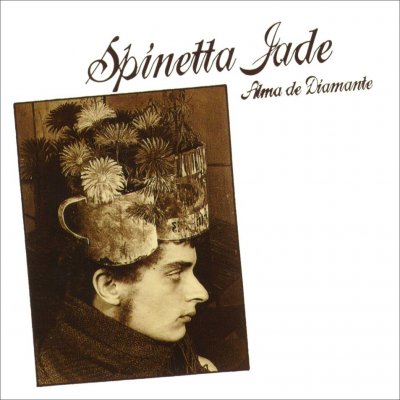
The product: a blend of jazz and rock that was unseen in Argentina and that escaped the boom of symphonic rock that reached both the world and Argentina in the early 1980s. These four albums, Alma de Diamante (1980), Los Niños que Escriben en el Cielo (1981), Bajo Belgrano (1983) and Madre en Años Luz (1984), represent a defined style as well as the footprints of Spinetta's evolution. Spinetta and Charly García (with their respective bands at the moment, Jade and Serú Giran) joined efforts and gave what was probably the most important show in the history of Argentine Rock. After dissolving Spinetta Jade in 1984, Spinetta worked on an album with Charly, but eventually they abandoned their efforts.
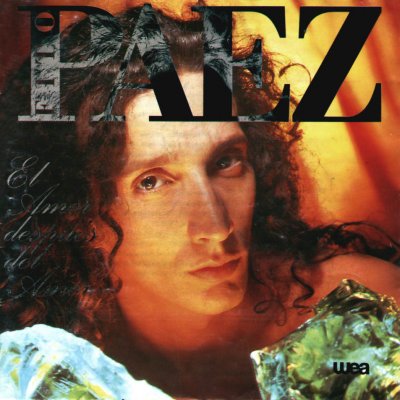
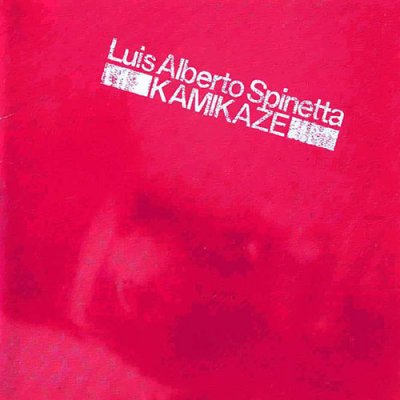
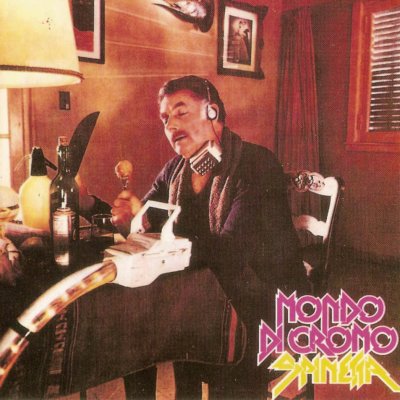
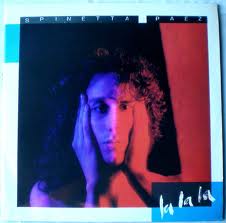
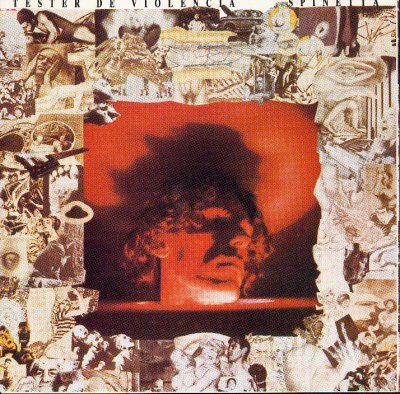
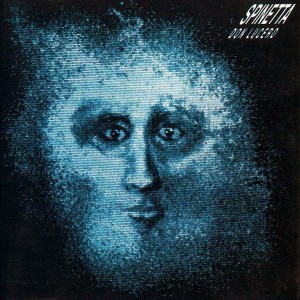
Only two songs remain of the ill-fated effort, "Rezo por Vos" and "Total Interferencia". By 1982, Spinetta had restarted his solo projects, and from then on would never leave them. Kamikaze (1982) puts together a number of previously unreleased songs (one gem is an early song he composed in 1965 called "Barro Tal Vez"). In Mondo Di Cromo (1983) Spinetta's new production, from 1986 to 1993, would include four solo albums (Privé, 1986), Téster de Violencia (1988), Don Lucero (1989), Pelusón of Milk (1991), a joint album with Fito Páez, another Argentine great (La La La, 1986), and the soundtrack of the movie Fuego Gris (named after the film, 1993).
After a long hiatus, largely due to Spinetta's conflicts with recording companies, he finally opened a new period in his music with his new band: Spinetta y los Socios del Desierto. Three years (1997–1999) and four albums later, Spinetta had created yet another legend in Argentinian rock. Two studio albums, the double Socios del Desierto (1997) and Los Ojos (1999) would bring along a new sound. The band made an MTV Unplugged, Estrelicia (1998), which, because of its soft acoustics, contrasts with their live album, San Cristóforo (1998).
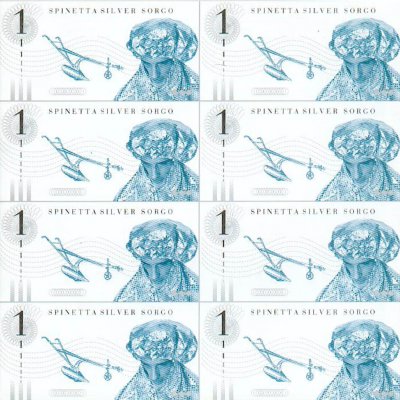
As Spinetta said at the beginning of the first concert, "Fans de lo acústico, abstenerse" ("Fans of acoustic music, refrain"). In 1998, he selected the featured songs and artwork of a Greatest Hits album called Elija y Gane, which was edited the same year. The band dissolved quietly towards the end of 1999. Spinetta started a solo career, including Silver Sorgo (2001), Obras en Vivo (2002), a live album, Para Los Árboles (2003), Camalotus (2004), a single of three unreleased songs and one remix, and Pan (2006).
In 2005, he received the Platinum Konex Award for best rock soloist of the 1995–2005 decade. A number of books and TV documentaries have been devoted to him. Argentinian writer Eduardo Berti published a book about Spinetta, which includes a long conversation with Spinetta.
Discography
Credits
Ranked #4,340 of 14,615 producers — 311.98 career Groove across 7 records.