Love
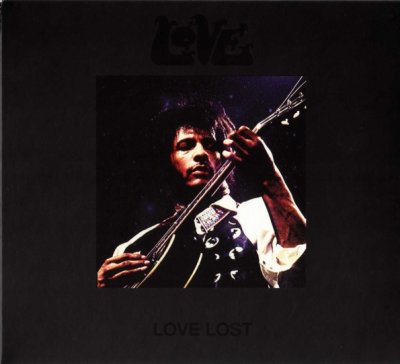
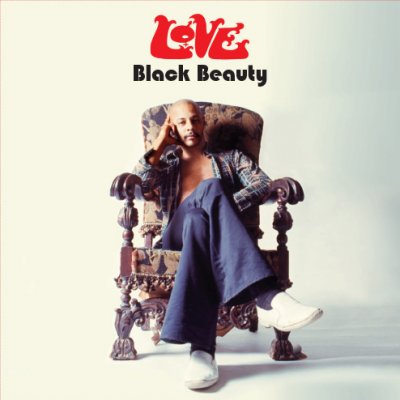
An American psychedelic rock group formed in Los Angeles in 1965. They were led by singer, songwriter and guitarist Arthur Lee (March 7, 1945 - August 3, 2006) and the group’s second songwriter, guitarist Bryan MacLean (September 25, 1946 - December 25, 1998). One of the first racially diverse American pop bands, their music reflected a remarkable array of influences, combining elements of rock and roll, garage rock, folk, showtunes and psychedelia. Other members included John Echols, Johnny Fleckenstein, Don Conka, Alban Snoopy Pfisterer, Ken Forssi, Tjay Cantrelli, Michael Stuart, Jay Donnellan, Gary Rowles, Frank Fayad, and George Suranovich.
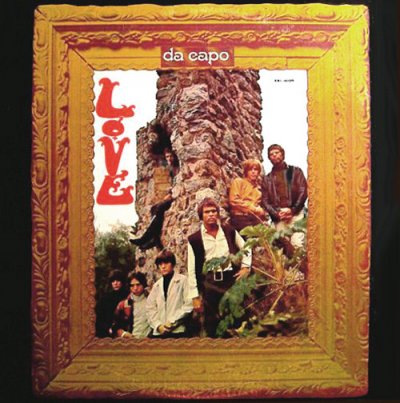
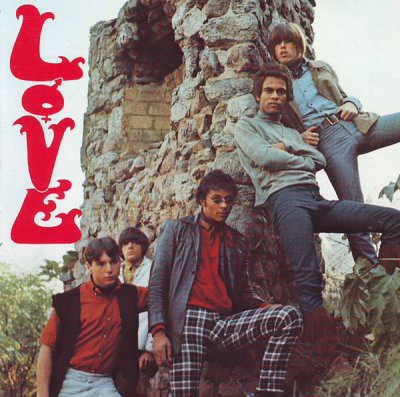
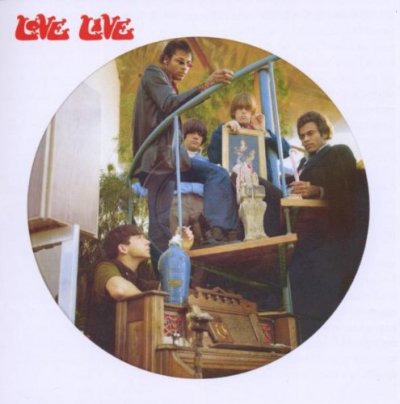
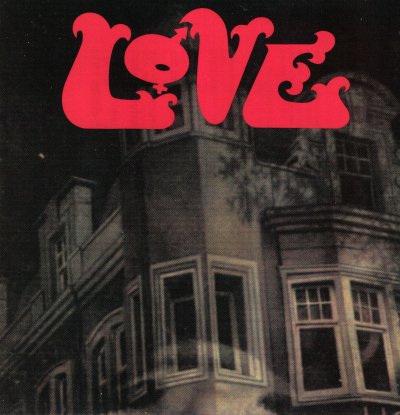
Love grew out of the Los Angeles garage band The Grass Roots, changing their name in 1965 to avoid confusion with the P.F. Sloan-managed band of the same name. The band lived communally in Bela Lugosi’s former LA residence The Castle, and the house forms the background to the cover of their first two album sleeves. Love released their eponymous début album in July 1966.
This was followed later the same month by the single “Seven and Seven Is/No. Fourteen”, neither side of which was included on the album, and which gave the band their only U.S. Billboard top 40 hit. Love’s second album Da Capo was released in January 1967.
The album is split between a more conventional first side, featuring 6 tracks (including Seven And Seven Is) and a second side featuring just one near twenty-minute track, Revelation.
The Groove is music.nw’s own measure of renown — not an opinion, a fact computed from the record. It weighs reach (how many people engaged) against acclaim (how highly they rated it), balanced so a handful of votes can’t outshout a lasting favourite.
Computed the NeuraWeb way, across the whole record. The same yardstick for everyone — which is why the little-known can out-Groove the famous in their own corner.
How Love moved
Genre belongs to the record, not to the artist. Every album’s Groove is shared out across the genres it actually is — by how the raters tagged it — so nobody is 100% one thing. Stack that by decade and a career draws itself.
Discography