music.nwby NeuraWeb Global Inc.
~13.0M artists · ~39.4M recordings indexed
Narrow to
LJ
Person · US jazz, blues and r&b musician and songwriter

Louis Jordan

Albums
117
Members
4
Active
1908–1975
Origin
United States
Biography

Effervescent saxophonist Louis Jordan was one of the chief architects and prime progenitors of the R&B idiom. His pioneering use of jumping shuffle rhythms in a small combo context was copied far and wide during the 1940s. Jordan's sensational hit-laden run with Decca Records contained a raft of seminal performances, featuring inevitably infectious backing by his band, the Tympany Five, and Jordan's own searing alto sax and street corner jive-loaded sense of humor. Jordan was one of the first black entertainers to sell appreciably in the pop sector; his Decca duet mates included Bing Crosby, Louis Armstrong, and Ella Fitzgerald. The son of a musician, Jordan spent time as a youth with the Rabbit Foot Minstrels and majored in music later on at Arkansas Baptist College. After moving with his family to Philadelphia in 1932, Jordan hooked up with pianist Clarence Williams. He joined the orchestra of drummer Chick Webb in 1936 and remained there until 1938. Having polished up his singing abilities with Webb's outfit, Jordan was ready to strike out on his own. The saxist's first 78 for Decca in 1938, "Honey in the Bee Ball," billed his combo as the Elks Rendezvous Band (after the Harlem nightspot that he frequently played at). From 1939 on, though, Jordan fronted the Tympany Five, a sturdy little aggregation often expanding over quintet status that featured some well-known musicians over the years: pianists Wild Bill Davis and Bill Doggett, guitarists Carl Hogan and Bill Jennings, bassist Dallas Bartley, and drummer Chris Columbus all passed through the ranks. From 1942 to 1951, Jordan scored an astonishing 57 R&B chart hits (all on Decca), beginning with the humorous blues "I'm Gonna Leave You on the Outskirts of Town" and finishing with "Weak Minded Blues." In between, he drew up what amounted to an easily followed blueprint for the development of R&B (and for that matter, rock & roll -- the accessibly swinging shuffles of Bill Haley & the Comets were directly descended from Jordan; Haley often pointed to his Decca labelmate as profoundly influencing his approach). "G.I. Jive," "Caldonia," "Buzz Me," "Choo Choo Ch' Boogie," "Ain't That Just like a Woman," "Ain't Nobody Here but Us Chickens," "Boogie Woogie Blue Plate," "Beans and Cornbread," "Saturday Night Fish Fry," and "Blue Light Boogie" -- every one of those classics topped the R&B lists, and there were plenty more that did precisely the same thing. Black audiences coast-to-coast were breathlessly jitterbugging to Jordan's jumping jive (and one suspects, more than a few whites kicked up their heels to those same platters as well). The saxist was particularly popular during World War II. He recorded prolifically for the Armed Forces Radio Service and the V-Disc program. Jordan's massive popularity also translated on to the silver screen -- he filmed a series of wonderful short musicals during the late '40s that were decidedly short on plot but long on visual versions of his hits (Caldonia, Reet Petite & Gone, Look Out Sister, and Beware, along with countless soundies) that give us an enlightening peek at just what made him such a beloved entertainer. Jordan also cameoed in a big-budget Hollywood wartime musical, Follow the Boys. A brief attempt at fronting a big band in 1951 proved an ill-fated venture, but it didn't dim his ebullience. In 1952, tongue firmly planted in cheek, he offered himself as a candidate for the highest office in the land on the amusing Decca outing "Jordan for President." Even though his singles were still eminently solid, they weren't selling like they used to by 1954. So after an incredible run of more than a decade-and-a-half, Jordan moved over to Eddie Mesner's Los Angeles-based Aladdin logo at the start of the year. Alas, time had passed the great pioneer by -- "Dad Gum Ya Hide Boy," "Messy Bessy," "If I Had Any Sense," and the rest of his Aladdin output sounds great in retrospect, but it wasn't what young R&B fans were searching for at the time. In 1955, he switched to RCA's short-lived "X" imprint, where he tried to remain up-to-date by issuing "Rock 'N' Roll Call." A blistering Quincy Jones-arranged date for Mercury in 1956 deftly updated Jordan 's classics for the rock & roll crowd, with hellfire renditions of "Let the Good Times Roll," "Salt Pork, West Virginia," and "Beware" benefiting from the blasting lead guitar of Mickey Baker and Sam "The Man" Taylor's muscular tenor sax. There was even time to indulge in a little torrid jazz at Mercury; "The JAMF," from a 1957 LP called Man, We're Wailin', was a sizzling indication of what a fine saxist Jordan was. Ray Charles had long cited Jordan as a primary influence (he lovingly covered Jordan's "Don't Let the Sun Catch You Crying" and "Early in the Morning"), and paid him back by signing Jordan to the Genius' Tangerine label. Once again, the fickle public largely ignored his worthwhile 1962-64 offerings. Lounge gigs still offered the saxman a steady income, though, and he adjusted his on-stage play list accordingly. A 1973 album for the French Black & Blue logo found Jordan covering Mac Davis' "I Believe in Music" (can't get much loungier than that!). A heart attack silenced this visionary in 1975, but not before he acted as the bridge between the big band era and the rise of R&B. His profile continues to rise posthumously, in large part due to the recent acclaimed Broadway musical Five Guys Named Moe, based on Jordan's bubbly, romping repertoire and charismatic persona.

Discography
Jump Jive! The Very Best Of Louis Jordan
Louis Jordan · 1992
Just Say Moe!: Mo' of the Best of Louis Jordan
Louis Jordan · 1992
Just Say Moe! Mo' Of The Best Of Louis Jordan
Louis Jordan · 1992
Album cover
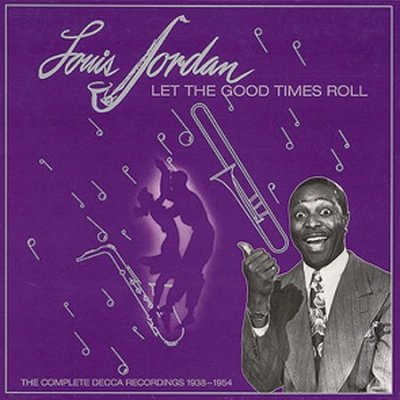
Let the Good Times Roll (1938-1954)
Louis Jordan · 1992
Let The Good Times Roll (1938-1954)
Louis Jordan · 1992
Live Jive
Louis Jordan · 1992
Album cover
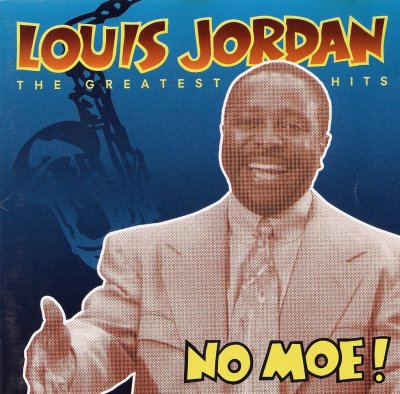
No Moe! Louis Jordan: The Greatest Hits
Louis Jordan · 1992
No Moe! - The Greatest Hits
Louis Jordan · 1992
One Guy Named Louis - Complete Aladdin Sessions
Louis Jordan · 1992
One Guy Named Louis: The Complete Aladdin Sessions
Louis Jordan · 1992
The Complete Recordings 1938-1941
Louis Jordan · 1992
Five Guys Named Moe
Louis Jordan · 1993
Album cover
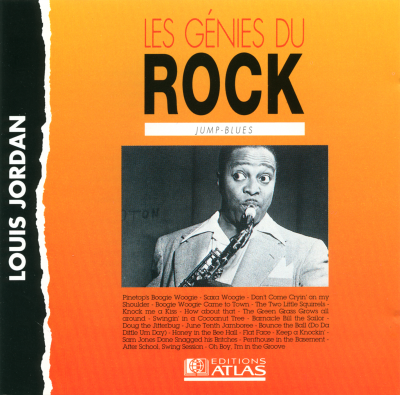
Jump - Blues
Louis Jordan · 1993
Album cover
The Blues Collection: Louis Jordan, Caldonia
Louis Jordan · 1993
Caldonia
Louis Jordan · 1994
Let The Good Times Roll
Louis Jordan · 1994
Louis Jordan
Louis Jordan · 1994
Jazz & Blues Collection 18: Louis Jordan
Louis Jordan · 1995
The Very Best of Louis Jordan
Louis Jordan · 1995
The Very Best Of Louis Jordan
Louis Jordan · 1995
1939-1954
Louis Jordan · 1996
Jazz Greats, Volume 9: Louis Jordan: Saxa-Woogie
Louis Jordan · 1996
Louis Jordan on Film 1942-1948
Louis Jordan · 1996
Five Guys Named Moe
Louis Jordan · 1998
How 'Bout That
Louis Jordan · 1998
At The Swing Cat's Ball
Louis Jordan · 1999
Is You Or Is You Ain't
Louis Jordan · 1999
Let the Good Times Roll: The Anthology (1938-1953)
Louis Jordan · 1999
Reet Petite and Gone
Louis Jordan · 1999
Swingsation
Louis Jordan · 1999
Swingsation
Louis Jordan · 1999
The Best Of Louis Jordan
Louis Jordan · 1999
The 'V' Discs & More
Louis Jordan · 2000
The Essential Collection
Louis Jordan · 2001
Album cover
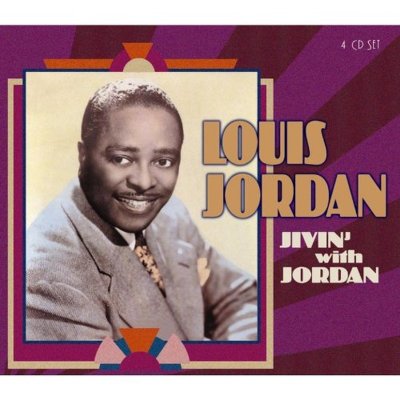
Jivin’ With Jordan
Louis Jordan · 2002
Album cover
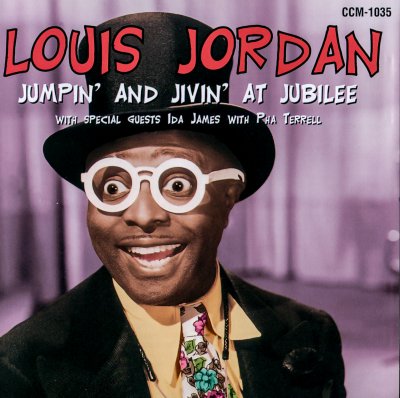
Jumpin' and Jivin' at Jubilee
Louis Jordan · 2003
Les Triomphes du rhythm'n'blues, Volume 1: Let the Good Times Roll
Louis Jordan · 2004
BD JAZZ : Louis Jordan
Louis Jordan · 2005
Number Ones
Louis Jordan · 2005
Number Ones
Louis Jordan · 2005
“Rocks”, Keep a Knockin’
Louis Jordan · 2006
The Aladdin , "X" and Vik Recordings 1953-55
Louis Jordan · 2006
The Essential Collection
Louis Jordan · 2007
The Anthology
Louis Jordan · 2011
The King of the Jukebox
Louis Jordan · 2011
The Rock 'N' Roll Years 1955 - 58
Louis Jordan · 2011
Let the Good Times Roll
Louis Jordan · 2020
The Greatest Hits
Louis Jordan · 2022
Album cover
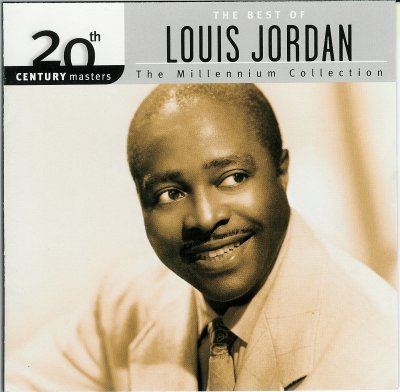
20th Century Masters: The Millennium Collection: The Best of Louis Jordan
Louis Jordan · —
Choo‐Choo Ch’Boogie
Louis Jordan · —
Five Guys Named Moe (The V Discs)
Louis Jordan · —
Golden Greats
Louis Jordan · —
Album cover
Good Times
Louis Jordan · —
Hallelujah... Louis Jordan Is Back!
Louis Jordan · —
Jivin' With Jordan
Louis Jordan · —
Reet Petiete And Gone / Just A Gigolo
Louis Jordan · —
Volume One 1939-1947
Louis Jordan · —

Credits

Priceless Jazz Collection #3
Instrument · 1997
Album cover
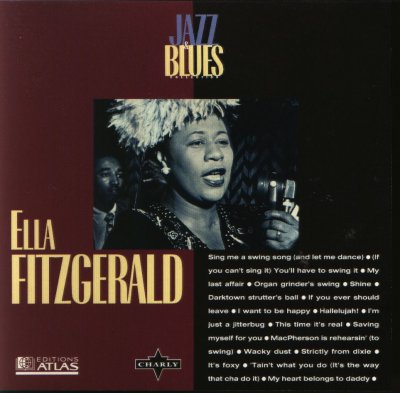
Jazz & Blues Collection 1: Ella Fitzgerald
Instrument · 1994
Album cover
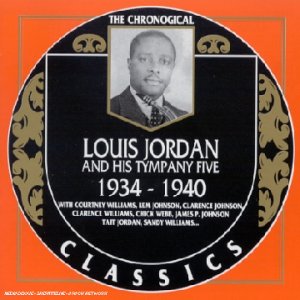
The Chronological Classics: Louis Jordan and His Tympany Five 1934–1940
Instrument · 1992
The Early Years, Part 1
Instrument · 1992
The Chronological Classics: Chick Webb and His Orchestra 1929–1934
Instrument · 1990
Album cover
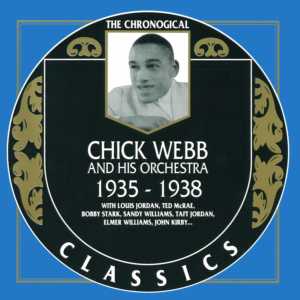
The Chronological Classics: Chick Webb and His Orchestra 1935–1938
Instrument · 1990
The Chronological Classics: Ella Fitzgerald 1935–1937
Instrument · 1990
Jeffrey Osborne
Instrument · 1982
Album cover
The George Benson Collection
Instrument · 1981
Album cover
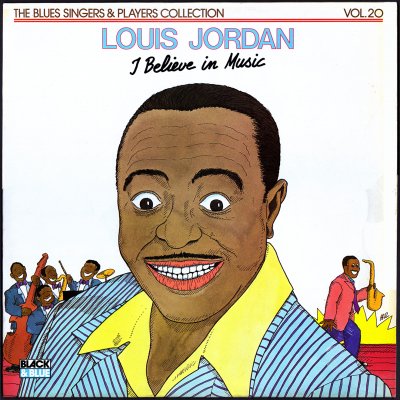
I Believe in Music: The Blues Singer & Players Collection, Volume 20
Instrument · 1980
Initial Success
Instrument · 1980
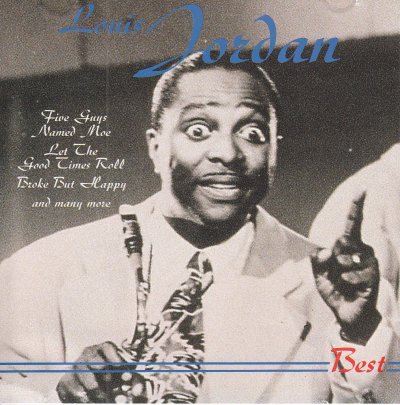
The Best of Louis Jordan
Instrument · 1975
Somebody Up There Digs Me
Vocal · 1962
Album cover
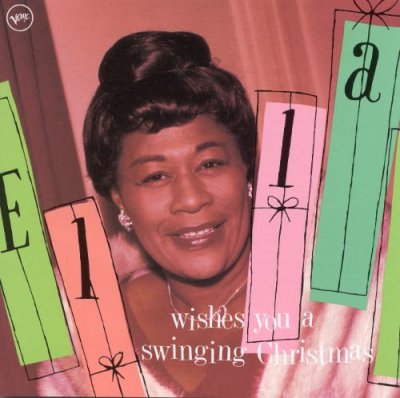
Ella Wishes You a Swinging Christmas
Instrument · 1960
Album cover
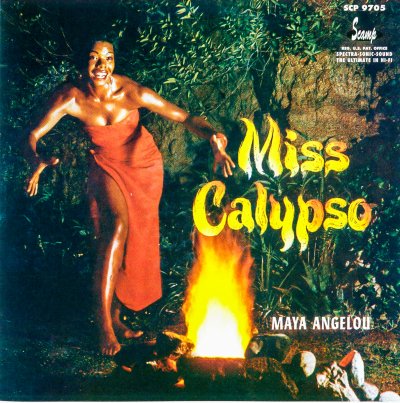
Miss Calypso
Writer · 1957
Saturday Night Fish Fry
Writer · 1949
Caldonia / Somebody Done Changed the Lock on My Door
Vocal · 1945
A‐Tisket A‐Tasket / Liza
Instrument · 1938
Rusty Hinge / Cryin’ Mood
Vocal · 1937
The Dipsy Doodle / Midnite in a Madhouse
Instrument · 1937
1931-1932
Instrument · —
1937-1938
Instrument · —
(1937-39) - Instrumentals Never Before On Record
Instrument · —
1938-1939
Instrument · —
1940-1941
Instrument · —
1941-1943
Instrument · —
1945-1947
Instrument · —
1949
Vocal · —
1950-1951
Instrument · —
65 Bars / Comin' Down
Performer · —
A Chicken Ain't Nothin' But A Bird / I Know You (I Know What You Wanna Do)
Vocal · —
Ain't Nobody's Business If I Do / I'll Never Be Free
Instrument · —
Ain't That Just Like A Woman / Let The Good Times Roll
Vocal · —
All Of Me
Vocal · —
A-Tisket A-Tasket / Undecided
Instrument · —
Barnyard Boogie / How Long Must I Wait For You
Vocal · —
Beware / Don't Let The Sun Catch You Cryin'
Instrument · —
Beware / Texas And Pacific
Vocal · —
Blue Light Boogie
Instrument · —
Boogie Woogie Blue Plate / Sure Had A Wonderful Time
Instrument · —
Bounce The Ball (Do Da Dittle Um Day) / Don't Come Cryin' On My Shoulder
Vocal · —
Caldonia
Instrument · —
Caldonia / Buzz Me
Vocal · —
Cat Scratchin' / Big Bess
Vocal · —
Chick Webb 4, "Ella Swings The Band" (1936-1939)
Instrument · —
Choo Choo Ch'Boogie / Run Joe
Vocal · —
Dad Gum Ya Hide, Boy / Whiskey Do Your Stuff
Vocal · —
Don't Burn The Candle At Both Ends / We Can't Agree
Vocal · —
Don't Worry 'Bout That Mule / Buzz Me
Vocal · —
Ella And Her Fellas
Vocal · —
Ella Fitzgerald & The Chick Webb Orchestra
Instrument · —
Ella Fitzgerald With Chick Webb's Band
Instrument · —
Ella Sings, Chick Swings
Instrument · —
Everything That's Made Of Wood (Was Once A Tree) / I Gotta Move
Vocal · —
Five Guys Named Moe
Instrument · —
Five Guys Named Moe - Featuring Louis Jordan's Greatest Hits (Original London Cast Recording)
Composer · —
Five Guys Named Moe (Original Decca Recordings Vol 2)
Vocal · —
G.I. Jive 1940-47
Instrument · —
G.I. Jive / Is You Is Or Is You Ain't (Ma' Baby)
Vocal · —
Good Times
Instrument · —