LCD Soundsystem
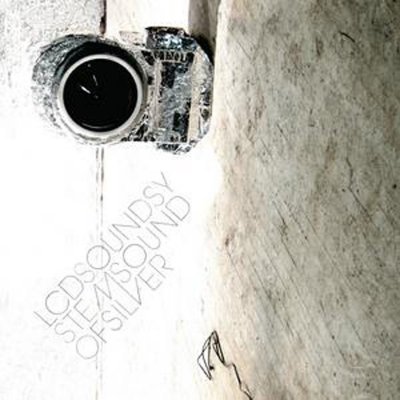
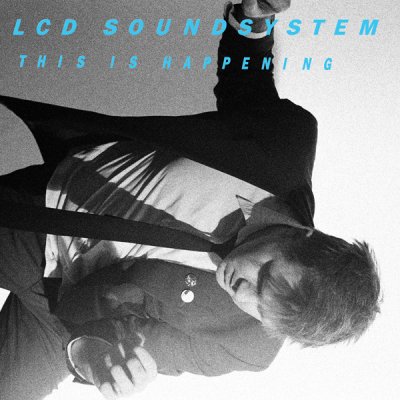
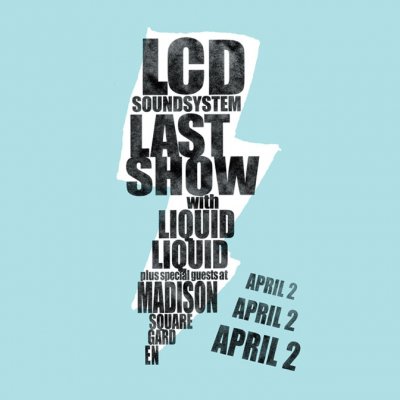
LCD Soundsystem was an American-based dance-punk band from New York City. It was fronted by American singer-songwriter and producer James Murphy, co-founder of record label DFA Records. The group released three critically acclaimed albums, LCD Soundsystem, Sound of Silver and This Is Happening, with the last charting in the Billboard Top 10. On February 5, 2011, a statement was posted on the band's website that announced its disbandment following a farewell concert, which took place on April 2, 2011, at Madison Square Garden.
The farewell concert is chronicled in the documentary film Shut Up and Play the Hits. Their last televised performance was on February 14, 2011 on The Colbert Report. LCD Soundsystem gained attention with its first single, "Losing My Edge". Described as "an eight-minute, laugh-out-loud funny dissection of cool over a dirty electronic beat"; the single became an underground dance favorite.
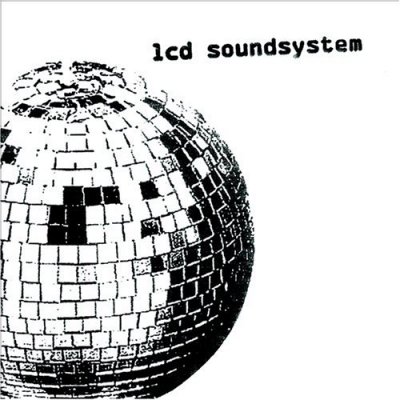
This was followed by other well received singles "Give It Up" and "Yeah". LCD Soundsystem released a double disc set simply titled LCD Soundsystem in February 2005 to critical acclaim. The first disc contains the album and the second contains re-releases of previous singles. The opening track "Daft Punk Is Playing at My House" quickly gained popularity and entered the UK Top 40 in March 2005 and was later featured on several video game soundtracks like SSX on Tour, Forza Motorsport 2, Burnout Revenge, and FIFA 06.
The band toured with M.I.A. In June 2005, the band covered a Siouxsie and the Banshees song, "Slowdive" for the B-side of "Disco Infiltrator". On December 8, 2005 the group received nominations for two Grammy awards in the Electronica category for their self-titled album and in the Dance category for "Daft Punk Is Playing at My House. " This album was also chosen as #94 of Amazon.com's "Top 100 Editor's Picks" of 2005.
The Groove is music.nw’s own measure of renown — not an opinion, a fact computed from the record. It weighs reach (how many people engaged) against acclaim (how highly they rated it), balanced so a handful of votes can’t outshout a lasting favourite.
Computed the NeuraWeb way, across the whole record. The same yardstick for everyone — which is why the little-known can out-Groove the famous in their own corner.
How LCD Soundsystem moved
Genre belongs to the record, not to the artist. Every album’s Groove is shared out across the genres it actually is — by how the raters tagged it — so nobody is 100% one thing. Stack that by decade and a career draws itself.
Discography