Lazar Berman
Lazar Naumovich Berman (Russian - February 26, 1930 – February 6, 2005) was a Soviet Russian classical pianist, Honoured Artist of the RSFSR (1988). He was hailed for a huge, thunderous technique that made him a thrilling interpreter of Liszt and Rachmaninoff and a late representative of the grand school of Russian Romantic pianism. Emil Gilels described him as a "phenomenon of the musical world". Berman was born to Jewish parents in Leningrad. His mother, Anna Lazarevna Makhover, had played the piano herself until prevented by hearing problems. She introduced her son to the piano at the age of two. Berman entered his first competition at the age of three, and recorded a Mozart fantasia and a mazurka that he had composed himself at the age of seven, before he could even read music. Berman was first noticed while participating in city young talents competition. The jury under the chairmanship of Leonid Nikolaev noticed child's "rare exceptional case of musical and piano skills". Now, after being officially given title "prodigy" at the age of four, he started studying with Leningrad State Conservatory professor, Samariy Savshinsky. In 1939 when Berman was nine, the family moved to Moscow so that he could study with Aleksandr Goldenweiser, first at Central musical school, and then at the Conservatoire, where he graduated from in 1953. The following year he made his formal debut playing Mozart's Piano Concerto No. 25 with the Moscow Philharmonic Orchestra. In 1941, students, pupils and parents were evacuated to Kuibishev, a city on the Volga, because of World War II. Living conditions were so poor that his mother had to cut the fingers from a pair of gloves to allow him to continue to practise without freezing his hands. He subsequently began to acquire a small international visibility. At the age of 12 he played Franz Liszt's La campanella to a British audience over the radio. In 1956 became a laureate of two international piano competitions: Queen Elisabeth Music Competition in Belgium, with Vladimir Ashkenazy, and Franz Liszt in Budapest, Hungary. As a result of these accomplishments, Berman was offered an international tour, and landed a recording deal, which included recordings of Liszt's sonata and Beethoven's "Appassionata". In 1958, he performed in London and recorded for SAGA. From 1959 to 1971 Berman was not allowed to travel abroad due to his marriage to a French national (the marriage soon fell apart); however, he continued to tour around Soviet Union, and did some recordings at "Melodia" studio, including Liszt's Transcedental etudes. That recording became one of the first soviet recordings, that was done with the use of Stereo technology. From mid 1970s Mr. Berman was again allowed to tour abroad, which he did to high acclaim. In 1968 he got married to Valentina Sedova and in 1970 their son, Pavel, was born.
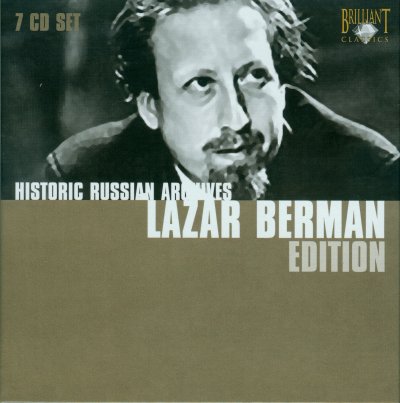
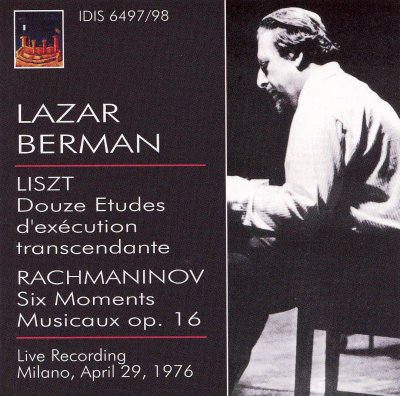
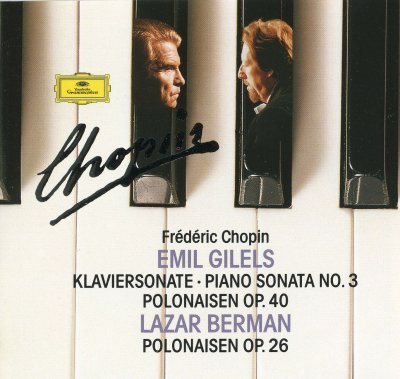
Discography
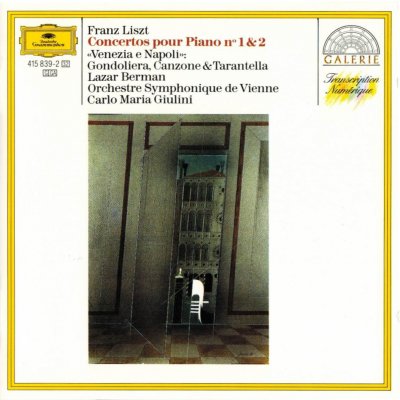
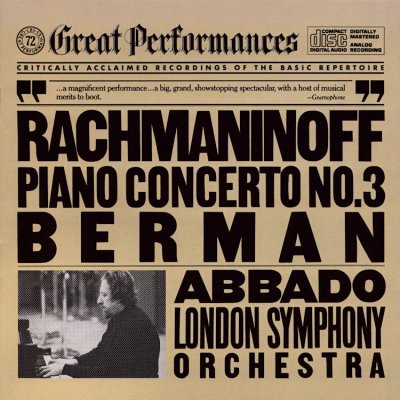
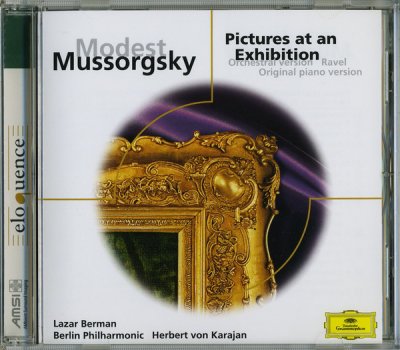
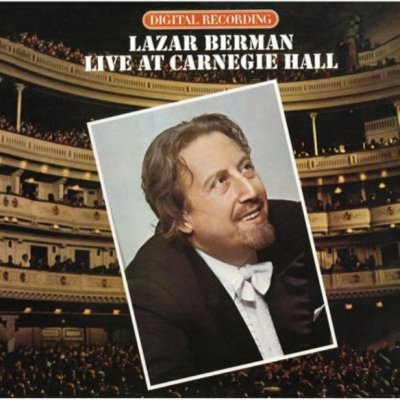

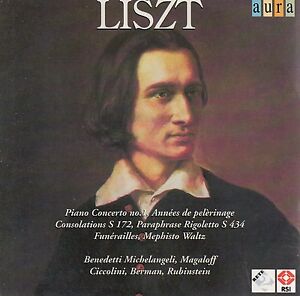
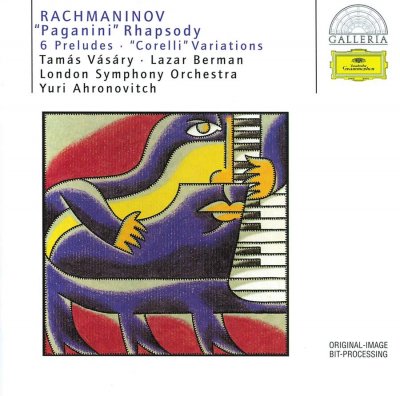
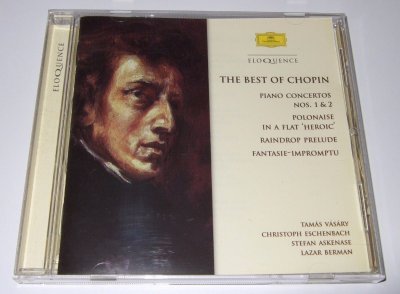
Credits