Karl Böhm
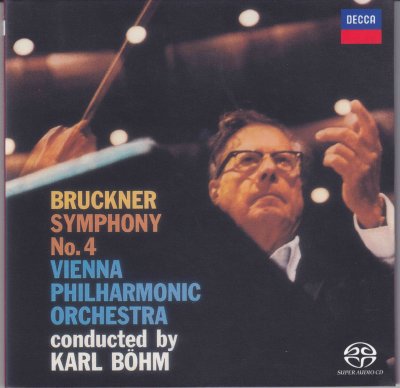
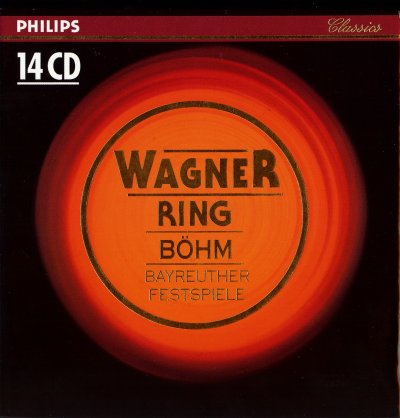
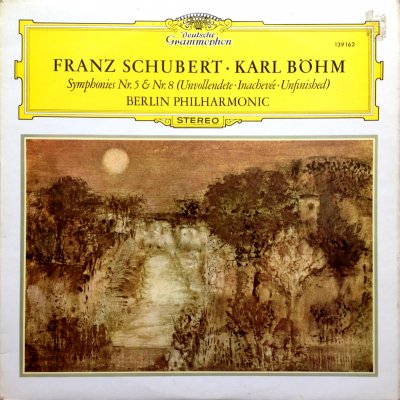
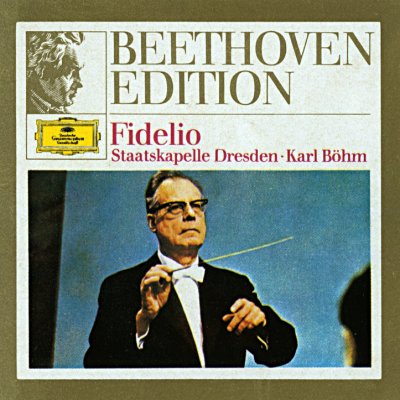
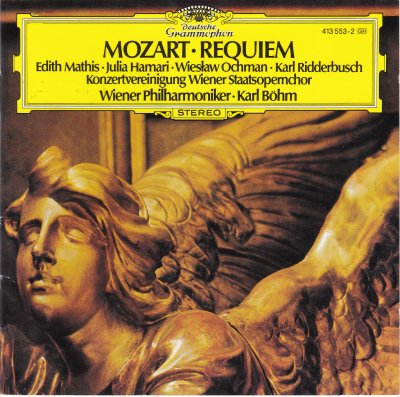
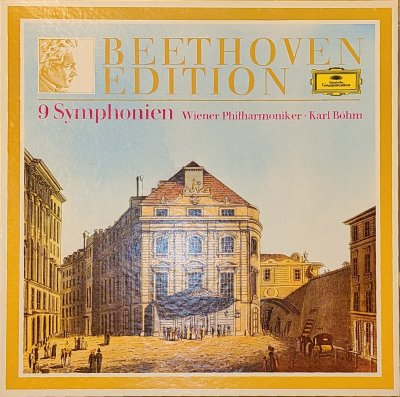
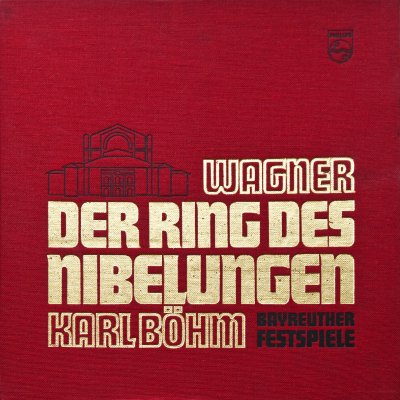
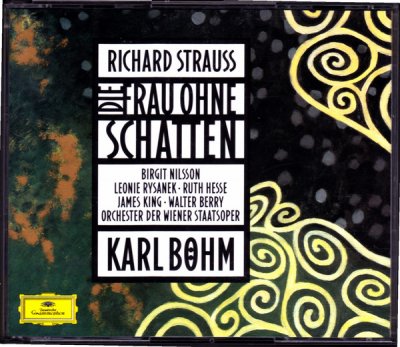
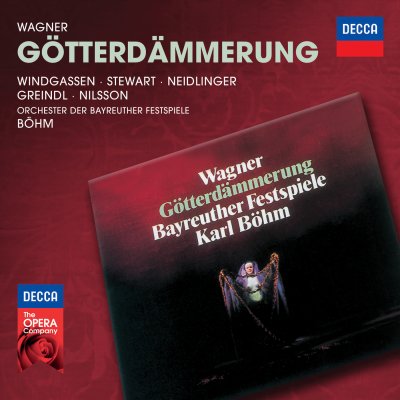
Karl August Leopold Böhm (August 28, 1894 in Graz – August 14, 1981 in Salzburg) was an Austrian conductor. The son of a lawyer, Karl Böhm studied law and earned a doctorate in this subject before entering the music conservatory in his home town of Graz, Austria. (His father was originally a German-speaking Bohemian from Egerland, while his mother was from Alsace.) He later enrolled at the Vienna Conservatory, where he studied under Eusebius Mandyczewski, a friend of Johannes Brahms. In 1917 Karl Böhm became a rehearsal assistant in his home town, in 1919 the assistant director of music, and in 1920 the senior director of music. On the recommendation of Karl Muck, Bruno Walter engaged him at Munich's Bavarian State Opera in 1921. In 1927 he was appointed as chief musical director in Darmstadt. From 1931 to 1934 he fulfilled the same function at the Hamburg opera company and was appointed professor. In 1933 he conducted in Vienna for the first time, in Tristan and Isolde by Wagner. He succeeded Fritz Busch, who had gone into exile, as head of Dresden's Semper Opera in 1934, a position he held until 1942. This was an important period for him, in which he conducted the first performances of works by Richard Strauss: Die schweigsame Frau (1935) and Daphne (1938), which is dedicated to him. He also conducted the first performances of Romeo und Julia (1940) and Die Zauberinsel (1942) by Heinrich Sutermeister, and Strauss's Horn Concerto No. 2 (1943). In 1938 he took part in the Salzburg Festival for the first time, conducting Don Giovanni, and thereafter he became a permanent guest conductor. He secured a top post at the Vienna State Opera in 1943, eventually becoming music director. On the occasion of the 80th birthday of Richard Strauss, in 1944, he conducted the Salzburg Festival performance of Ariadne auf Naxos. After he had completed a two-year post-war denazification ban, Böhm led Don Giovanni at Milan's Teatro alla Scala (1948) and gave a guest performance in Paris with the Vienna State Opera company (1949). From 1950 to 1953 he directed the German season at the Teatro Colón in Buenos Aires, and he conducted the first Spanish performance of the opera Wozzeck by Alban Berg, translated into Spanish for the occasion. In 1953 he was responsible for the first performance of Gottfried von Einem's work Der Prozess. From 1954 to 1956 he directed the Vienna State Opera at its reconstructed home. He additionally resumed ties post-war in Dresden, at the Staatskapelle. In 1957 he made his debut at the Metropolitan Opera in New York, conducting Don Giovanni, and quickly became one of the favorite conductors of the Rudolf Bing era, leading, all told, 262 performances, including the house premieres of Wozzeck, Ariadne auf Naxos and Die Frau ohne Schatten, which was the first major success in the new house at Lincoln Center. Böhm led many other major new productions in New York, such as Fidelio for the Beethoven bicentennial, Tristan und Isolde (including the house debut performance of Birgit Nilsson in 1959), Lohengrin, Otello, Der Rosenkavalier, Salome, and Elektra. His repertoire there also included Le nozze di Figaro, Parsifal, Der fliegende Holländer, Die Walküre, and Die Meistersinger von Nürnberg. Böhm made his debut at the Bayreuth Festival in 1962 with Tristan and Isolde, which he conducted until 1970. In 1964 he led Wagner's Die Meistersinger von Nürnberg there, and from 1965 to 1967 the composer's Der Ring des Nibelungen cycle, which was the last production by Wieland Wagner. These appearances resulted in critically acclaimed recordings of the Ring and Tristan. In 1965 Böhm conducted Fidelio in Tokyo. In 1971 he gave performances in Moscow and led Wagner's Flying Dutchman in Bayreuth. Late in life, he begin a guest-conducting relationship with the London Symphony Orchestra (LSO) in a 1973 appearance at the Salzburg Festival. Several recordings were made with the orchestra for Deutsche Grammophon. Böhm was given the title of LSO President, which he held until his death. During the 1970s, the conductor led performances at the Royal Opera House in Covent Garden. Böhm died in Salzburg. His son, actor Karlheinz Böhm, is known for his roles as Beethoven in the Walt Disney film The Magnificent Rebel, as the young Emperor Franz Joseph in the three Sissi movies, and for playing Jacob Grimm opposite Laurence Harvey's Wilhelm Grimm in the 1962 MGM-Cinerama spectacular The Wonderful World of the Brothers Grimm. Perhaps Böhm's greatest contribution to music lay in bringing to life the operas of his close colleague Richard Strauss. He conducted the premieres of Strauss's late works Die schweigsame Frau (1935) and Daphne (1938), of which he is the dedicatee, recorded all of the major operas (but often making cuts in the scores), and regularly revived Strauss's operas with strong casts during his tenures in Vienna and Dresden, as well as at the Salzburg Festival. Böhm was praised for his rhythmically robust interpretations of the operas and symphonies of Mozart, and in the 1960s he was entrusted with recording all the Mozart symphonies with the Berlin Philharmonic. His brisk, straightforward way with Wagner won adherents, as did his readings of the symphonies of Brahms, Bruckner and Schubert. His 1971 complete recording of the Beethoven symphonies with the Vienna Philharmonic was also highly regarded. On a less common front, he championed and recorded Alban Berg's avant-garde operas Wozzeck and Lulu before they gained a foothold in the standard repertory. Böhm mentioned in the notes to his recordings of these works that he and Berg discussed the orchestrations, leading to changes in the score (as he had similarly done, previously, with Richard Strauss). He received numerous honors, among them first Austrian Generalmusikdirektor in 1964. He was widely feted on his 80th birthday ten years later; his colleague Herbert von Karajan presented him with a clock to mark that occasion. Although suspected by some of being an early sympathizer of the Nazi party, Böhm never became a member. According to British music journalist Norman Lebrecht, in November 1923 Böhm stopped a rehearsal in the Munich opera house in order, reportedly, to watch Adolf Hitler's Beer Hall Putsch. In 1930 he is said to have become angry when his wife was accused by Nazi brownshirts of being Jewish during the premiere of Arnold Schoenberg's opera Von heute auf morgen and to have stated that he would "tell Hitler about this". In the wake of the Nazi annexation of Austria he gave the Hitler salute during a concert with the Vienna Philharmonic, ironically violating Nazi rules about places where the greeting was appropriate. After the referendum controlled by the Nazis to justify the annexation, or Anschluss, the conductor allegedly declared that "anyone who does not approve this act of our Führer with a hundred-per-cent YES does not deserve to bear the honourable name of a German!" Lebrecht, in making these charges, fails to provide documentary evidence for them. While music director in Dresden, Böhm allegedly "poured forth rhetoric glorifying the Nazi regime and its cultural aims". In 1939 he contributed to the Newspapers of the Comradeship of German Artists special congratulatory edition on the occasion of Hitler's 50th birthday. "The path of today's music in the sphere of symphonic works... has been marked and paved by the ideology of National Socialism..." On the other hand, Böhm's programming of modern works was disliked by the Nazis, and his collaborations with anti-Nazi directors and designers "could have been interpreted by enemies of the Nazi regime as a brave attempt to preserve the principle of artistic freedom", and Böhm, apparently preparing for eventual flight and exile, sent his son Karlheinz to Switzerland. According to historian Michael H. Kater, Böhm belongs in that group of artists of whom "we also find conflicting elements of resistance, accommodation, and service to the regime, so that in the end they cannot be definitively painted as either Nazis or non-Nazis."
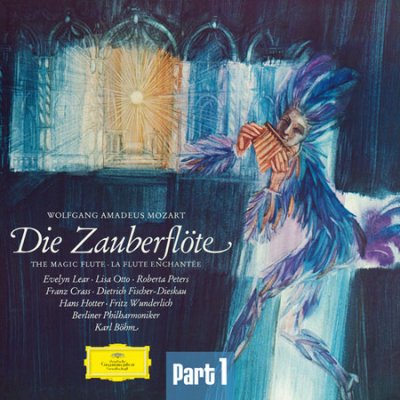
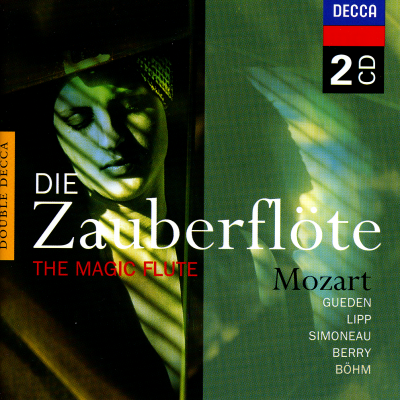
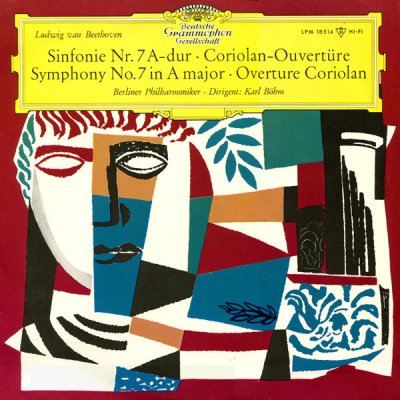
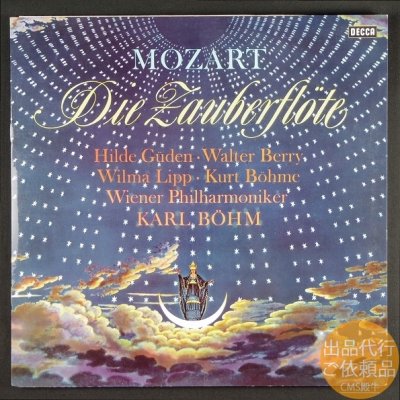
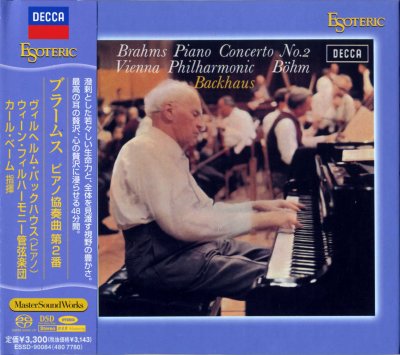
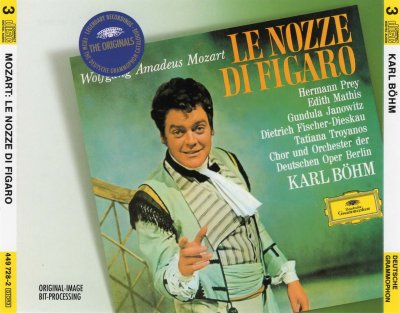
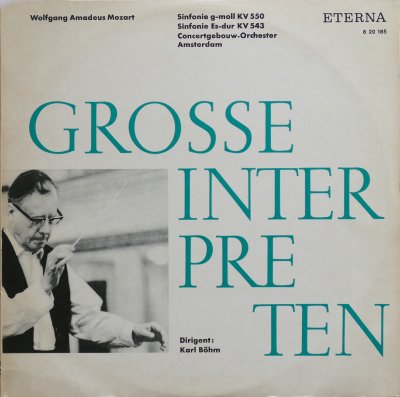
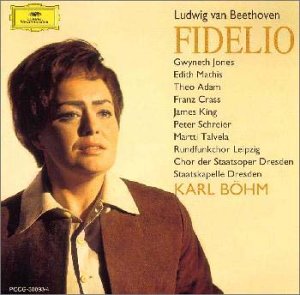
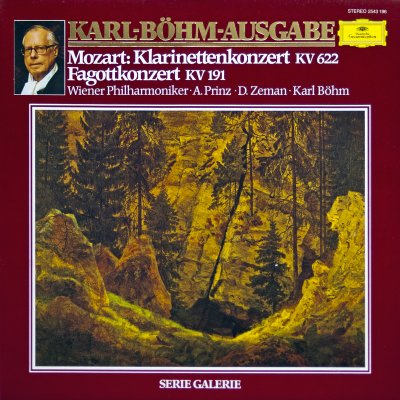
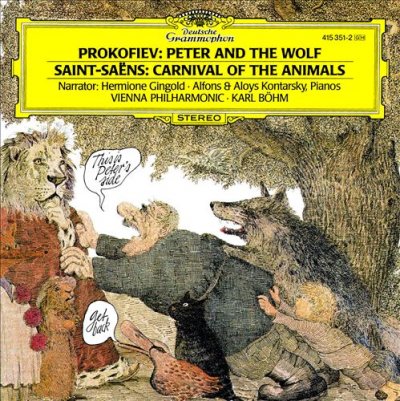
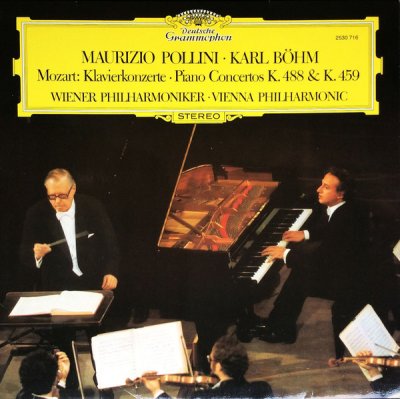
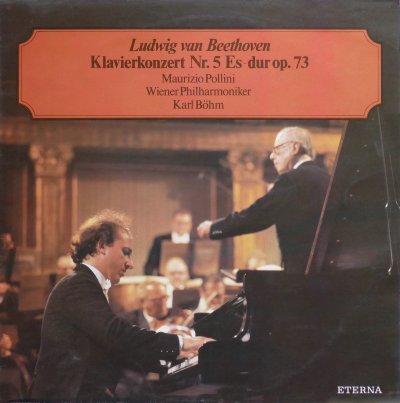
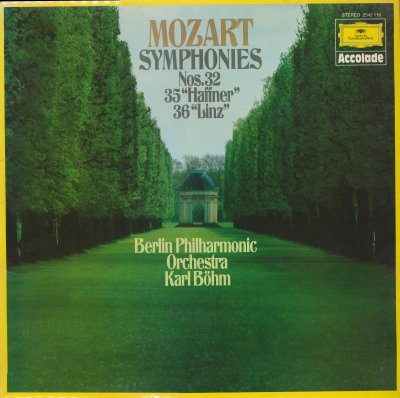
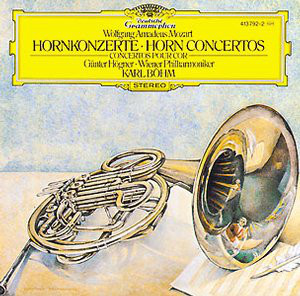
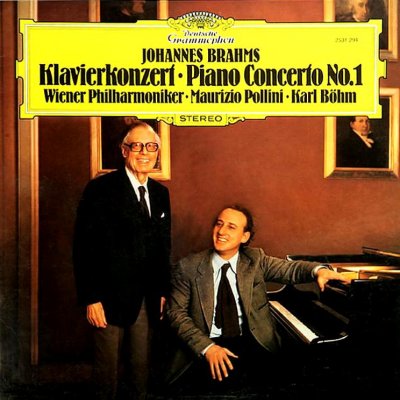
Discography
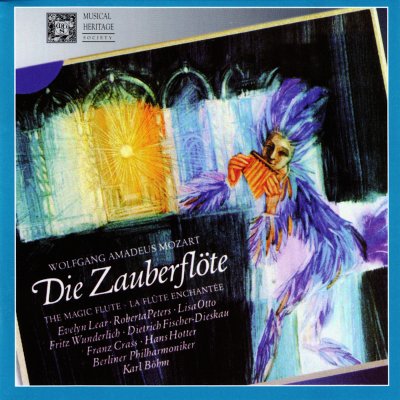
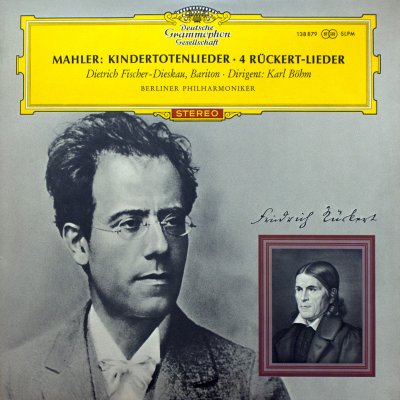
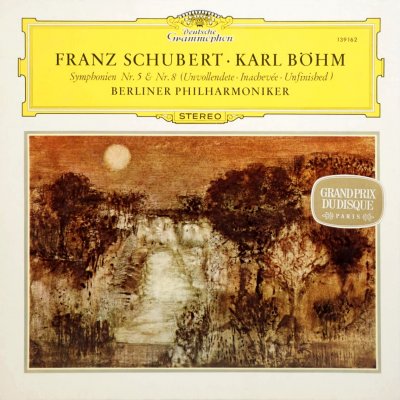
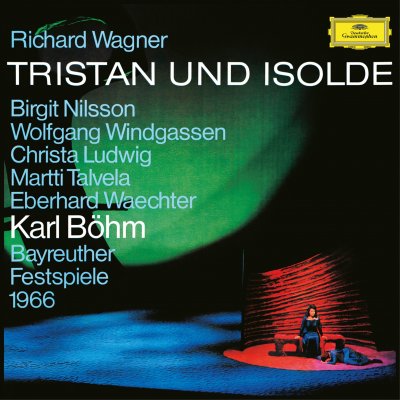
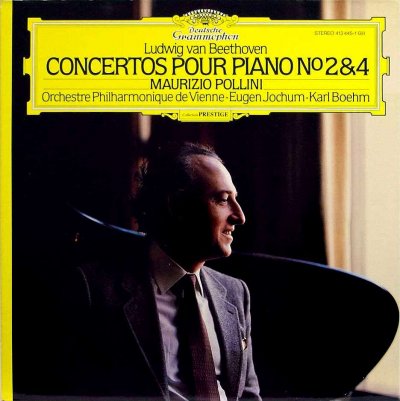
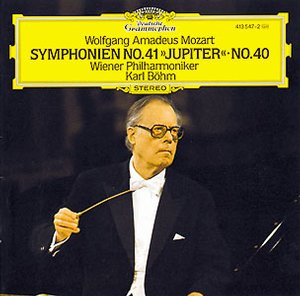
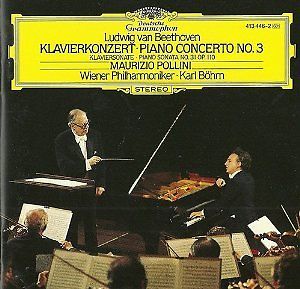
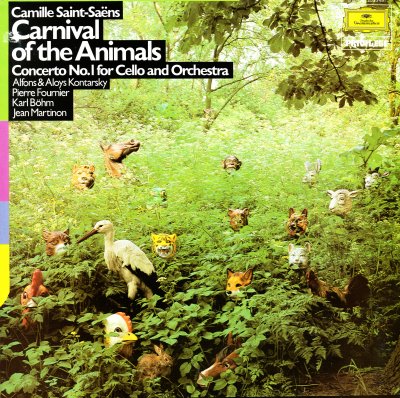
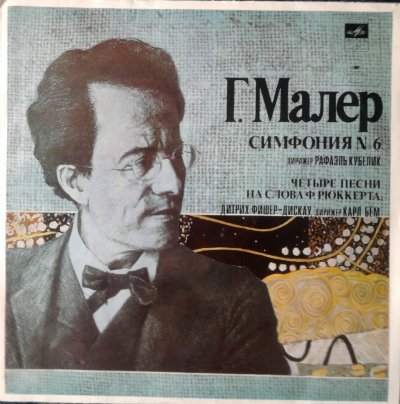
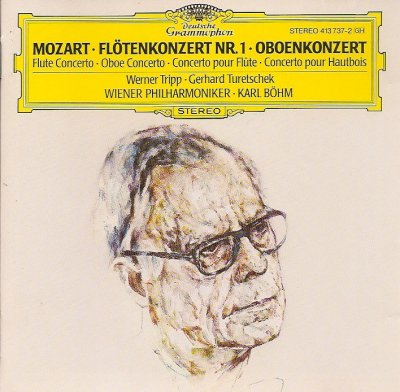
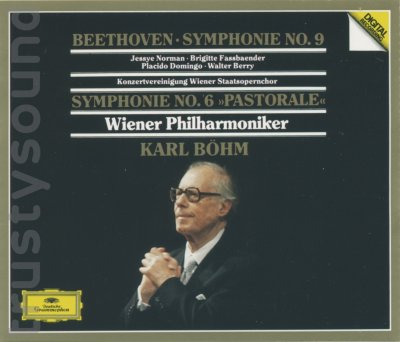
Credits