Journey
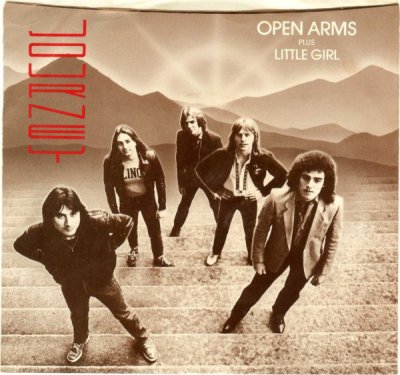
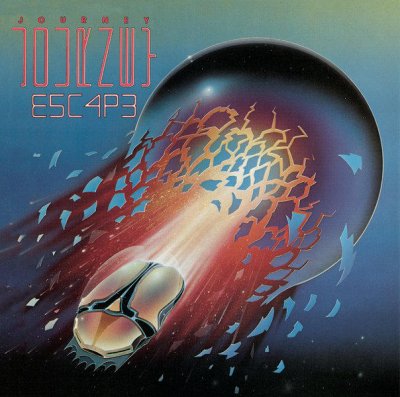
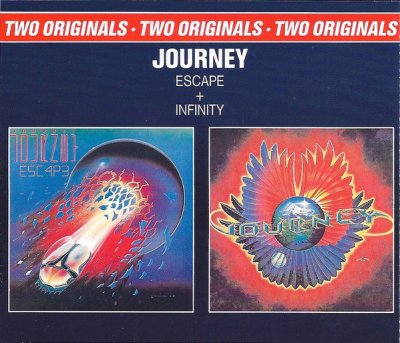
Journey is an American rock band formed in 1973 in San Francisco by former members of Santana and Frumious Bandersnatch. The band has gone through several phases; its strongest commercial success occurred between 1978 and 1987, after which it temporarily disbanded. During that period, the band released a series of hit songs, including 1981's "Don't Stop Believin'", which became in 2009 the top-selling catalog track in iTunes history. Its parent studio album, Escape, the band's eighth and most successful, reached No. 1 on the Billboard 200 and yielded another of their most popular singles, "Open Arms".
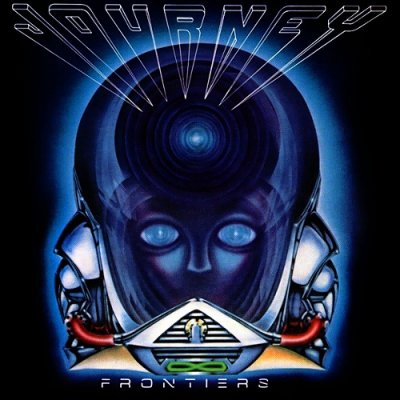
Its 1983 follow-up, Frontiers, was almost as successful in the United States, reaching No. 2 and spawning several successful singles; it broadened the band's appeal in the United Kingdom, where it reached No. 6 on the UK Albums Chart. Journey enjoyed a successful reunion in the mid 1990s, and later regrouped with a series of lead singers. Sales have resulted in two gold albums, eight multi-platinum albums, and one diamond album (including seven consecutive multi-platinum albums between 1978 and 1987). They have had eighteen Top 40 singles in the US, six of which reached the Top 10 of the US Billboard Hot 100 chart and two of which reached No. 1 on other Billboard charts, and a No. 6 hit on the UK Singles Chart in "Don't Stop Believin'".
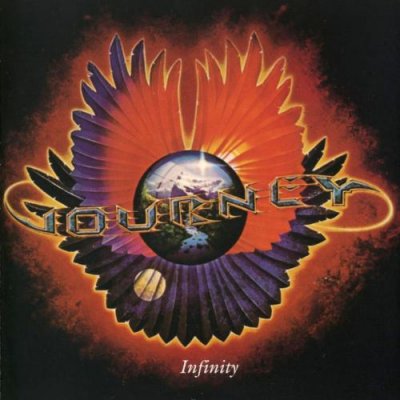
Originally a progressive rock band, Journey were described by Allmusic as having cemented a reputation as "one of America's most beloved (and sometimes hated) commercial rock/pop bands" by 1978, when they redefined their sound by embracing traditional pop arrangements on their fourth album, Infinity. According to the Recording Industry Association of America, Journey has sold 47 million albums in the US, making them the 28th best selling band. Their worldwide sales have reached over 80 million albums. A 2005 USA Today opinion poll named Journey the fifth best American rock band in history.
Their songs have become arena rock staples and are still played on rock radio stations across the world.
The Groove is music.nw’s own measure of renown — not an opinion, a fact computed from the record. It weighs reach (how many people engaged) against acclaim (how highly they rated it), balanced so a handful of votes can’t outshout a lasting favourite.
Computed the NeuraWeb way, across the whole record. The same yardstick for everyone — which is why the little-known can out-Groove the famous in their own corner.
How Journey moved
Genre belongs to the record, not to the artist. Every album’s Groove is shared out across the genres it actually is — by how the raters tagged it — so nobody is 100% one thing. Stack that by decade and a career draws itself.
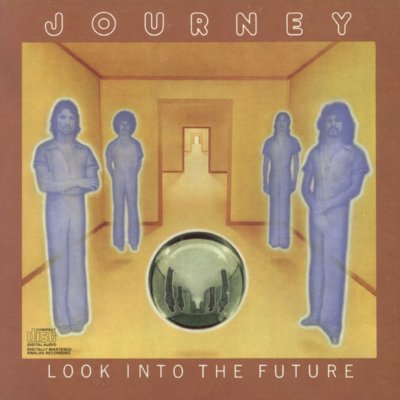
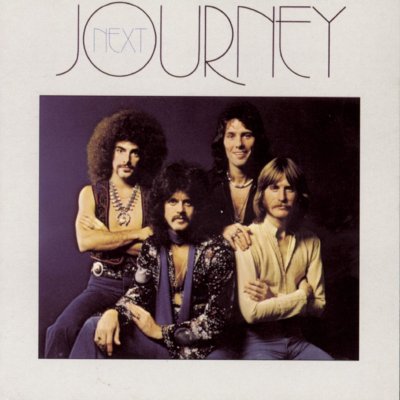
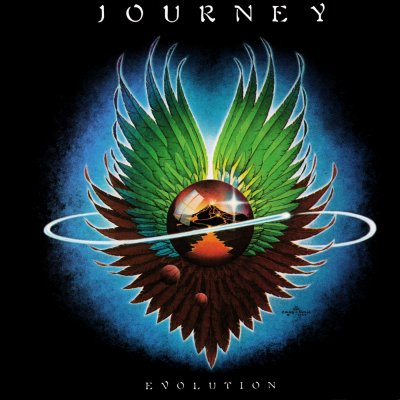
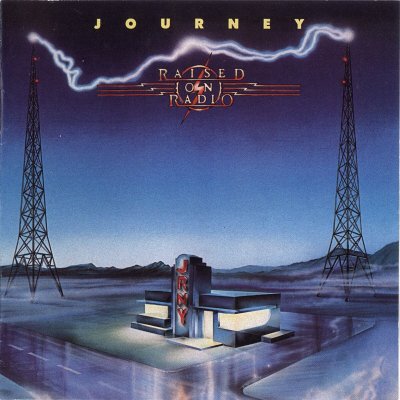
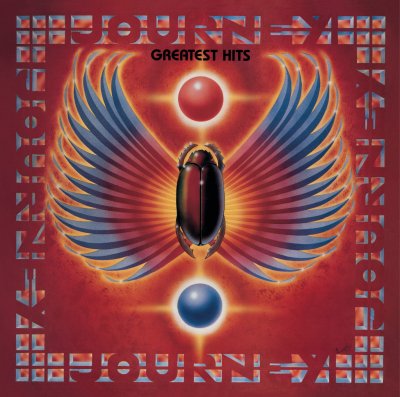
Discography

Credits
Ranked #8,417 of 14,615 producers — 129.86 career Groove across 4 records.