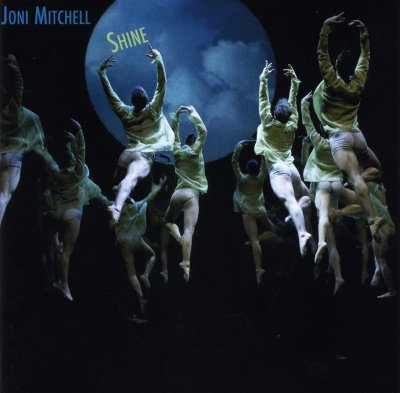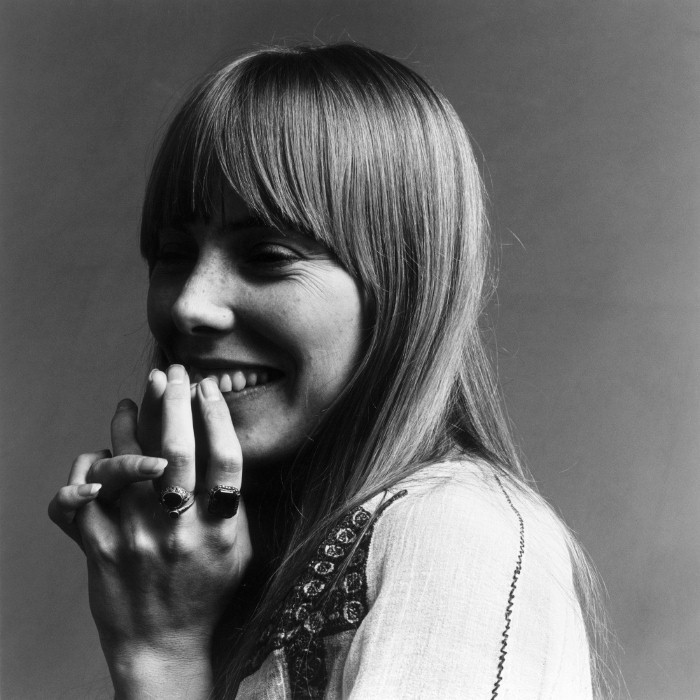
Joni Mitchell
Joni Mitchell, CC (born Roberta Joan Anderson; November 7, 1943) is a Canadian musician, singer songwriter, and painter. Mitchell began singing in small nightclubs in Saskatchewan and Western Canada and then busking in the streets and dives of Toronto. In 1965 she moved to the United States and, touring constantly, began to be recognized when her original songs ("Urge for Going, " "Chelsea Morning, " "Both Sides, Now, " "The Circle Game") were covered by notable folk singers, allowing her to sign with Reprise Records and record her own debut album in 1968. Settling in Southern California, Mitchell and her popular songs like "Big Yellow Taxi" and "Woodstock" helped define an era and a generation.
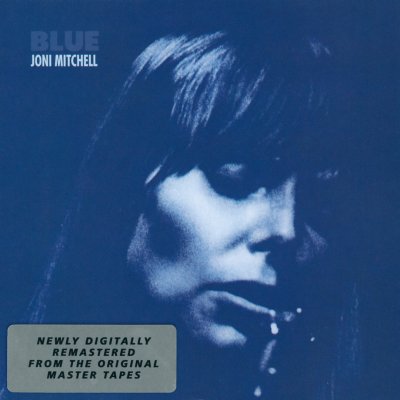
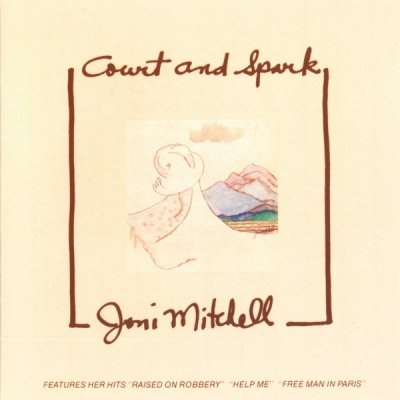
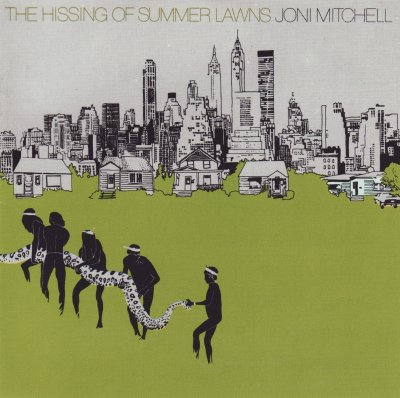
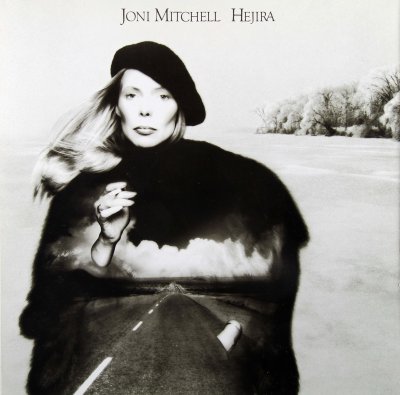
Her more starkly personal 1971 recording Blue has been called one of the best albums ever made. Musically restless, Mitchell switched labels and began moving toward jazz rhythms by way of lush pop textures on 1974's Court and Spark, her best-selling LP, featuring her radio hits "Help Me" and "Free Man in Paris. " Mitchell's wide-ranging vocals and her distinctive open-tuned guitar and piano compositions grew more harmonically and rhythmically complex as she explored jazz, melding it with her influences in rock n roll, R&B, classical music and non-western beats. Mitchell's experimental run of jazz-inspired albums, including 1975's The Hissing of Summer Lawns and 1976's Hejira, confused many and hurt Mitchell's sales at the time, but they are acclaimed today.
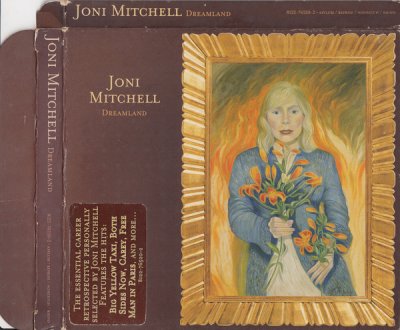
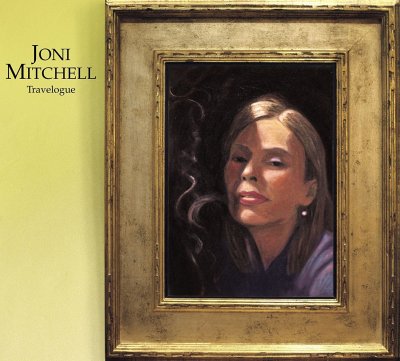
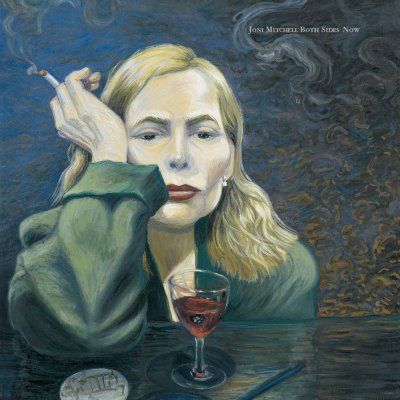
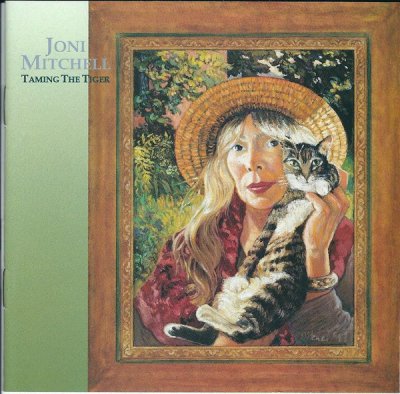
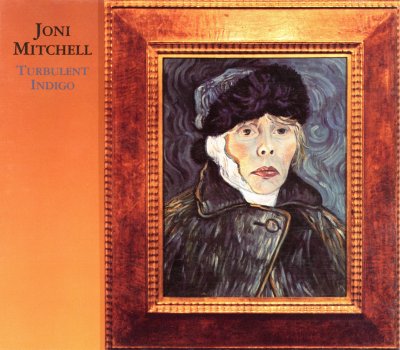
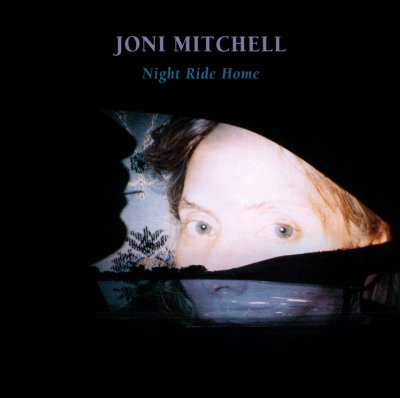
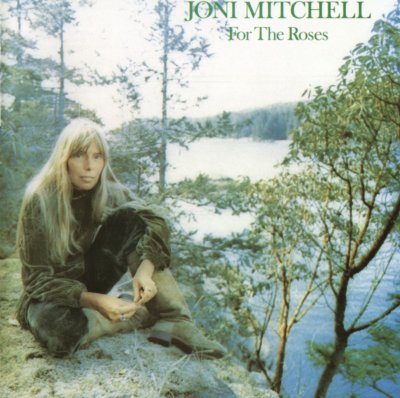
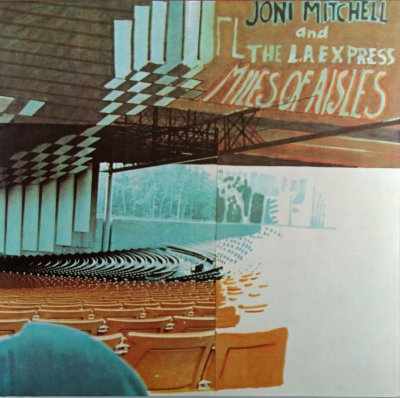
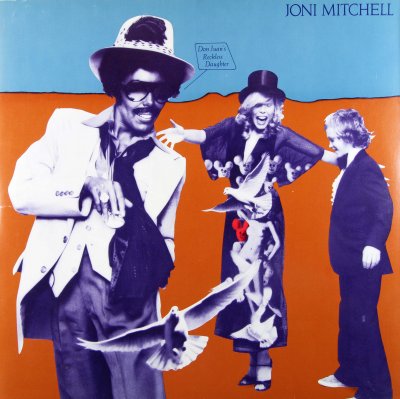
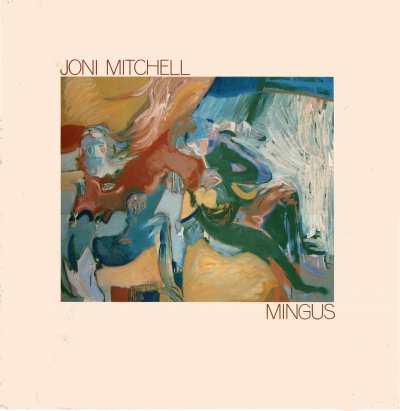
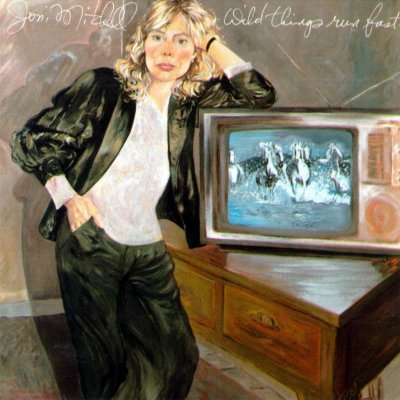
In the late 1970s, she began working closely with noted jazz musicians, among them Jaco Pastorius, Wayne Shorter, Herbie Hancock, Pat Metheny and Charles Mingus, the last of whom asked her to collaborate on his final recordings. In her later work Mitchell turned again toward pop, embraced electronic music, and engaged in political protest. Mitchell was also the sole record producer credited on most of her albums, including all her work in the 1970s. With roots in visual art, she designed her own album artwork throughout her career.
A blunt critic of the music industry, Mitchell quit touring and released her 17th, and reportedly last, album of original songs in 2007. Now based in British Columbia, she describes herself as a "painter derailed by circumstance. " Mitchell has deeply influenced fellow musicians in a diverse range of genres, and her work is highly respected by critics. Allmusic said, "When the dust settles, Joni Mitchell may stand as the most important and influential female recording artist of the late 20th century, " and Rolling Stone called her "one of the greatest songwriters ever.
" Mitchell's lyrics have been noted for their developed poetics, addressing social and environmental ideals alongside individual feelings of romantic longing, confusion, disillusion and joy.
The Groove is music.nw’s own measure of renown — not an opinion, a fact computed from the record. It weighs reach (how many people engaged) against acclaim (how highly they rated it), balanced so a handful of votes can’t outshout a lasting favourite.
Computed the NeuraWeb way, across the whole record. The same yardstick for everyone — which is why the little-known can out-Groove the famous in their own corner.
How Joni Mitchell moved
Genre belongs to the record, not to the artist. Every album’s Groove is shared out across the genres it actually is — by how the raters tagged it — so nobody is 100% one thing. Stack that by decade and a career draws itself.
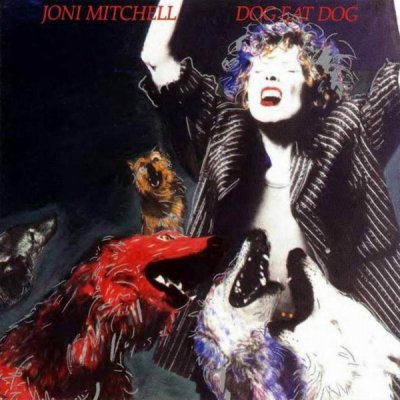
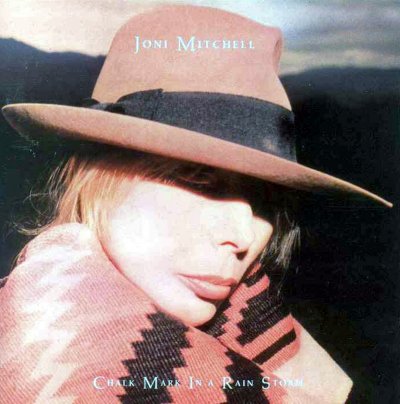
Discography

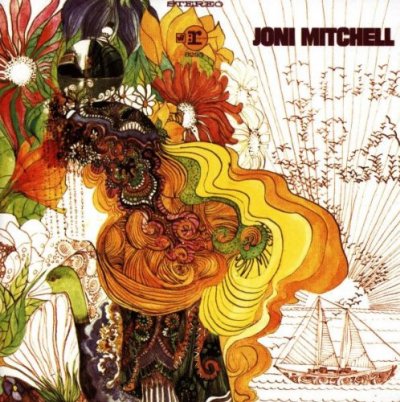
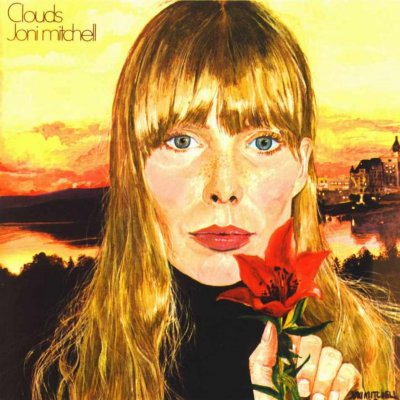
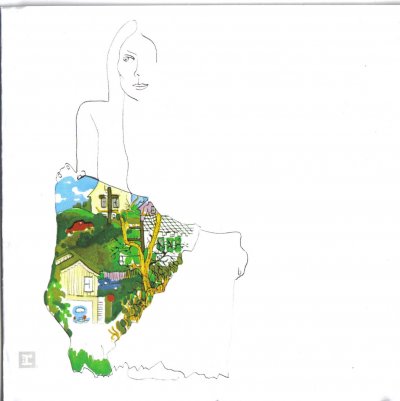

Credits
Ranked #546 of 14,615 producers — 1,691.61 career Groove across 17 records.