John Zorn
The one word virtually everyone can agree on in any discussion of the work of composer John Zorn is "prolific, " in the strictest sense of the definition. Though he didn't begin making records until 1980, the recordings under his own name number well over 100, and the sheer number of works he has performed on, composed, or produced easily doubles that number. Though now an internationally renowned musician and the founder and owner of the wildly successful and equally prolific Tzadik imprint, Zorn is a cornerstone of New York's fabled and influential downtown scene. In addition, he has played with musicians of every stripe.
He is also a musical gadfly: genre purity, and pursuing the ends by which it is defined, are meaningless in Zorn's sound world, thus making him a quintessential mirror of 21st century culture. He has mentored countless musicians in the U.S., Europe, and Asia, and has broadened the exposure of many other artists stateside via his Tzadik label. His compositions have been performed by hundreds of artists, including the Kronos Quartet and Medeski, Martin & Wood. In addition, he has composed literally dozens of film scores.
He has been the subject of books and documentary films, as well. Zorn was born in New York in 1953. His parents and brother were avid music fans all; from an early age he was exposed to jazz, classical music, doo wop, country, and rock & roll. In addition, being a child of the '50s he was exposed to the music of television via its various program themes and especially cartoon music, which influenced him early on, and continues to.
Zorn's musical education began in adolescence, studying guitar and flute. He was exposed to European and American vanguard classical music in adolescence and was affected deeply by it. He also reportedly played bass in a surf band in his teens. He studied composition at Webster College in St.
Louis, where he was exposed to the music of free jazz, and claims he picked up the alto saxophone after hearing Anthony Braxton's seminal recording For Alto in 1969. Zorn's early influences and experiments in integrating free jazz, improvisation, 20th century classical, and cartoon music can be heard on the album First Recordings 1973, released by Tzadik in 1995. Zorn dropped out of college, moved to Manhattan, and began hanging out with other improvisers and jazz musicians. He also began composing in earnest, but with his requisite sense of humor.
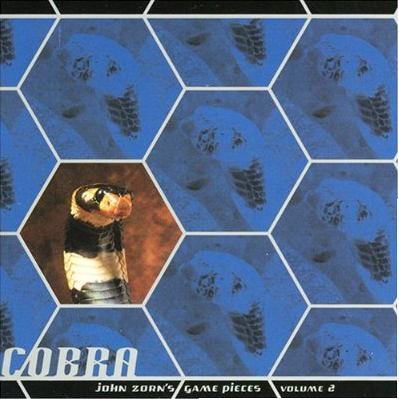
His early compositions and recordings were all "game pieces" named after, well, games. They include Baseball and Lacrosse (1976); Dominoes, Curling, and Golf (1977); Cricket and Fencing (1978), and Pool and Archery (1979). His most enduring and influential game piece, Cobra (1984), was issued in 1987 on the Hat Hut imprint; subsequent recordings of the work were released in 1992, 1994, and 2002, and it has been performed many times. These works were complete with cards, hand signs, cues, and strategies, and could employ the use of many musicians.
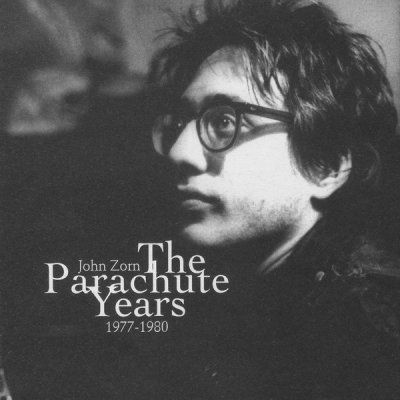
His smaller group works are documented on Locus Solus (1983). He issued two completely solo albums of pieces for duck calls in The Classic Guide to Strategy. Most of these were issued on his own Parachute imprint. The first larger public acclaim for Zorn's work occurred when he signed with the Warner Bros.
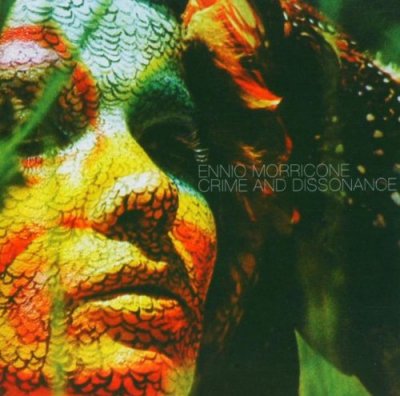
Nonesuch imprint in 1984, and released The Big Gundown: John Zorn Plays the Music of Ennio Morricone. He later issued two similar tribute recordings, Spillane (in tribute to the crime author) and Spy vs. Spy: The Music of Ornette Coleman, where he performed Coleman's works in thrashing hardcore punk style (most pieces lasted only a minute or two) in a quintet with Tim Berne playing the other alto, drummers Joey Baron and Michael Vatcher, and bassist Mark Dresser. The album was praised by some and raised howls of often vicious criticism, ironically mirroring, of course, the same kind of treatment given Coleman himself when he appeared on the scene in the '50s.
Zorn followed this with the self-titled recording by a new band he put together called Naked City, with guitarist Bill Frisell, Baron, bassist Fred Frith, and keyboardist Wayne Horvitz. This band combined everything from punk and jazz to funk and improvisation in a unit that could play beautifully articulated and complex melodies composed by Zorn and let loose with fury and reckless abandon. Only this debut appeared on Nonesuch; four other studio recordings and a live album were issued on a variety of labels in both the United States and Japan until Zorn released them as a box set in the early 21st century. Also during this period, Zorn issued his first compilation of film scores; it was his final effort for Nonesuch.
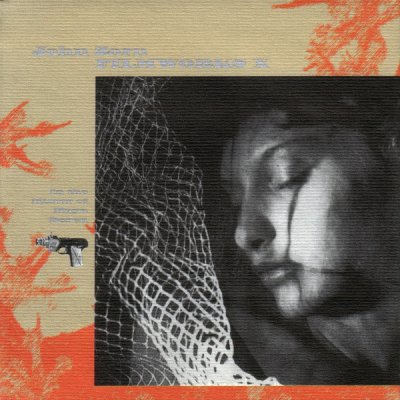
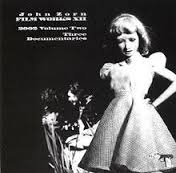
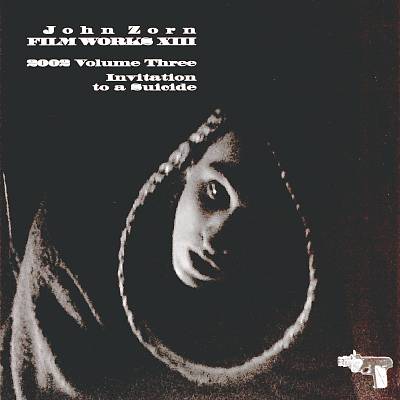
Film Works 1986-1990 was the first installment in a series that numbers almost two-dozen volumes. During this period, Zorn was releasing albums on various European and Japanese imprints, including Avant and DIW. These include Ganryu Island and his vanguard jazz-metal group Pain Killer with bassist Bill Laswell and drummer Mick Harris. Zorn continued releasing records of many stripes in the '90s, including the harrowing Kristallnacht, his first engagement with his Jewish heritage on record that later became part of the Radical Jewish Culture series on Tzadik, a musical and cultural movement Zorn helped to found and steer.
It radicalized him and prepared the way for Masada, a jazz quartet modeled after Coleman's original quartet. The band included Zorn's alto, Dave Douglas on trumpet, Baron on drums, and bassist Greg Cohen. The group issued ten limited-edition studio recordings beginning with Alef (the first letter of the Hebrew alphabet, though they didn't follow consecutively). They also released a handful of live dates from various places on their groundbreaking and widely acclaimed world tour.
Zorn's compositions by this time had begun to incorporate Coleman's ideas of melody with Jewish folk music and improvisation. Zorn established the Tzadik label in New York -- after what he considered to be a disastrous relationship with Warner and Nonesuch -- to control his own destiny as a recording artist, producer, and composer, and has since purchased back all of his masters from Warner/Nonesuch. Tzadik has been the flagship of the Radical Jewish Culture movement, and has also introduced many important composers and musicians, as well as younger talents first arriving on the scene from all over the world. According to legend, no title has ever lost money -- which is saying a lot since there are literally hundreds of releases in its catalog.
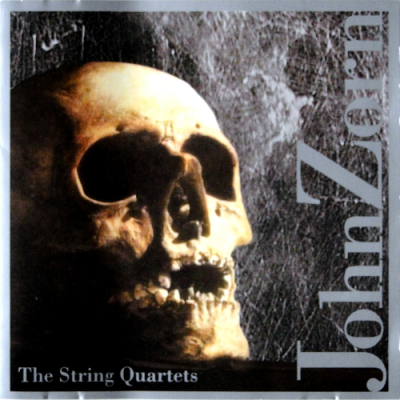
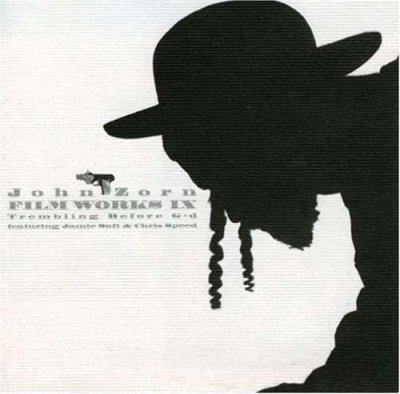
Zorn's own releases throughout the '90s and into the 21st century include many hallmarks of his career: his chamber pieces, Bar Kohkba (1996) and The Circle Maker (1998); the first recordings from his Masada Songbook series; a larger work, Aporias: Requia for Piano & Orchestra (1999); String Quartets (1999); the fabulous Cartoon S&M album (2000), and Madness, Love and Mysticism (2001). Also in 2001, after a steady string of issues of his film scores, Masada recordings, and his more classically oriented works, he surprised listeners again with The Gift, an album that showcased his own love for exotica, influenced by the music of Martin Denny, Les Baxter, and Esquivel, among others. The set was played by a group that included all the members of Masada, percussionist Cyro Baptista, Jamie Saft, Ned Rothenberg, Mike Patton, Trevor Dunn, and others. The ninth volume of Zorn's Film Works series was issued in 2001 as well; it was the score for the award-winning film Trembling Before G_D, a documentary about gay Hasidic (Orthodox) Jews.
The results of Zorn's 50th birthday celebration (which occurred in 2003) were released in 2004, capturing a month-long series of live concerts for Tzadik releases. Many of these are indispensable; they include Masada Guitars, Masada String Trio: 50th Birthday Celebration, Vol. 1, the debut of Electric Masada (an intermittent group that includes Zorn, guitarist Marc Ribot, Saft, Baptista, Ikue Mori, drummers Baron and Kenny Wollesen, and Dunn), a proper Masada quartet reunion, and many others. Since that time, Zorn has won a MacArthur Foundation "genius grant" (2006) and has released recordings of his own works along three different themes -- with some exceptions, of course. The first two involve the continuation of the Film Works documentation project and getting his "occult" works -- influenced and inspired by mystics and often controversial historical figures and dominated most of all by the inspiration of Aleister Crowley -- on tape and released.
The occult works are documented most importantly by three recordings: 2006's Moonchild and Astronome, with a band comprised of vocalist Patton, Baron, and Dunn; and 2007's Six Litanies for Heliogabalus, with Mori and Zorn added to the trio. The third area of concentration, and perhaps most important, is the documentation of his second book of Masada compositions entitled Book of Angels. Since 2005 over ten volumes of this series have been recorded by a variety of artists. They include recordings by Saft (Astaroth); the Masada String Trio (Azazel); Koby Israelite (Orobas); the Bar Kohkba Sextet (Lucifer), and Medeski, Martin & Wood (Zaebos).
In 2008 Zorn released The Dreamers, a beautiful follow-up to The Gift recorded by a small group that included Ribot, Saft, Baron, Dunn, and Baptista with help from Wollesen on vibes. Zorn performs a bit on it as well. The recording combines his deep appreciation for film noir and exploitation movie soundtracks, surf music, incidental commercial music, and library records, among other things. He also issued another recording for his Moonchild ensemble entitled The Crucible, but it differed from earlier offerings for the unit in that its compositions were informed by the improvisations of the original Masada group.
Zorn played alto with vocals by Patton, drums by Baron, and bass by Dunn, with Ribot helping out on the hinge piece, "9x9." This was followed by the stellar sequel O'o in 2009 with the same band. Femina also appeared in 2009. The album is a four-part composition and a tribute of sorts to women in the arts, returning to the card-file method of Zorn's early middle period of composition and featuring an all-female sextet, including pianist Sylvie Courvoisier, violinist Jennifer Choi, and Mori on her trademark laptop. In 2010, Zorn continued to explore the feminine and its place in mysticism and myth with The Goddess: Music for the Ancient of Days, another chapter of his In Search of the Miraculous series of compositions.
As a working strategy it combines minimalism and the card-file system that makes for quick changes in dynamic and texture. The performers of this work are his ever-expanding Alhambra Ensemble, featuring soloists Carol Emanuel on harp and guitarist Marc Ribot. Zorn also used the card file system in his tribute to William Burroughs, entitled Interzone, with key members of his extensive working crew including Baptista, Dunn, John Medeski, Mori, Ribot, and Wollesen. Zorn played alto on the date.
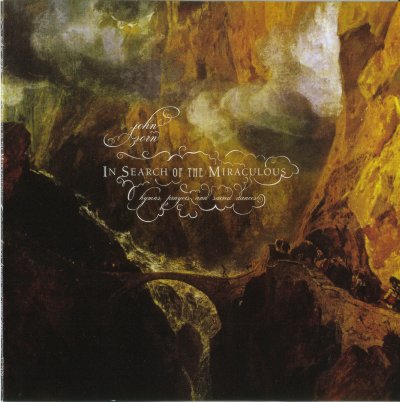
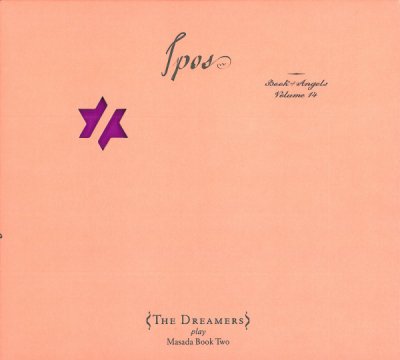
Also in 2010, the Dreamers ensemble reassembled to record Ipos: The Book of Angels, Vol. 14. It was quickly followed by Baal: The Book of Angels, Vol. 15, performed by the Ben Goldberg Quartet, and Haborym: The Book of Angels, Vol. 16, by the Masada String Trio. The composer also released another chapter in his growing body of compositions informed by esoteric spiritual practices and ritual magic, with the elliptically lyric In Search of the Miraculous with an ensemble that included electric bassist Shanir, Rob Burger, on piano and organ, acoustic bassist Greg Cohen, Ben Perowsky on drums, and Wollesen on vibes. Zorn kicked off 2011 with the release of Caym: The Book of Angels, Vol. 17, recorded by Baptista's Banquet of the Spirits, and Nova Express, the companion volume to Interzone, issued under his own name and featuring the quartet of Medeski, Wollesen, Baron, and Dunn.
Zorn added to his body of mystical compositions with a classically influenced composition work entitled At the Gates of Paradise, also featuring the quartet heard on Nova Express. It included elements of minimalism, modal jazz, and a nod to Vince Guaraldi, all encompassed in Zorn's own trademark sense of lyric harmony. The album is the perfect bookend to In Search of the Miraculous. Zorn kicked off 2012 with the release of Mount Analogue, a long-form file card piece inspired by George Ivanovitch Gurdjieff.
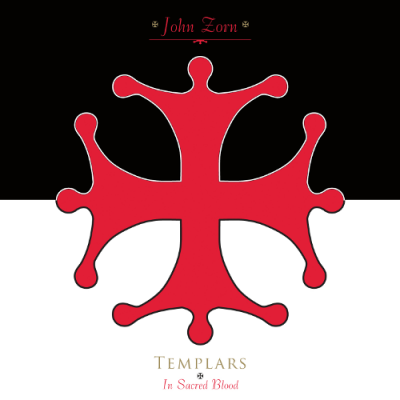
In the studio, Zorn conducted Cyro Baptista's Banquet of the Spirits group with Wollesen on vibes. In March, he formed a chamber group of harpist Carol Emmanuel, Frisell, and Wollesen to record The Gnostic Preludes: Music of Splendor. He also created an original score for a Polish stage production of Nosferatu. The recorded version, featuring Zorn on saxophone, bassist Bill Laswell, keyboardist Rob Burger, and percussionist Kevin Norton, was released in May of 2012, along with the sixth installment in the Moonchild project entitled Templars: In Sacred Blood, featuring Patton, Baron, Dunn, and Medeski.
In August of that year, Zorn issued Rimbaud, a series of four classical compositions that were all named for works by the 19th century French Symbolist poet. Late that year, Zorn issued The Concealed, a further recording of mystical works compositions played by the Nova Express quartet augmented by Mark Feldman and Erik Friedlander. Zorn reconvened Emmanuel, Frisell, and Wollesen in late 2012 to work on The Mysteries, which was released in March 2013.
Discography
Credits
Ranked #435 of 14,615 producers — 1,954.91 career Groove across 40 records.