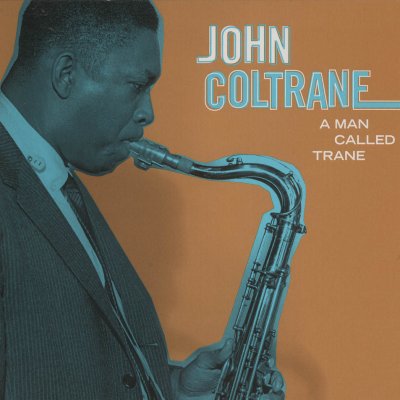
John Coltrane
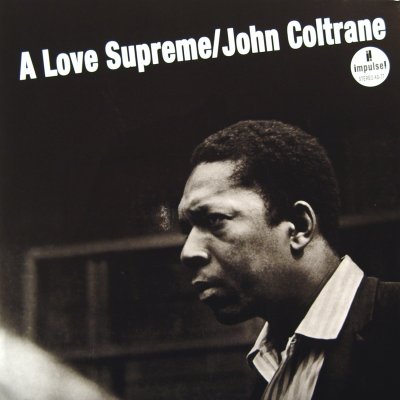
John William Coltrane (also known as "Trane"; September 23, 1926 – July 17, 1967) was an American jazz saxophonist and composer. Working in the bebop and hard bop idioms early in his career, Coltrane helped pioneer the use of modes in jazz and later was at the forefront of free jazz. He organized at least fifty recording sessions as a leader during his recording career, and appeared as a sideman on many other albums, notably with trumpeter Miles Davis and pianist Thelonious Monk. As his career progressed, Coltrane and his music took on an increasingly spiritual dimension.
His second wife was pianist Alice Coltrane and their son Ravi Coltrane is a saxophonist. Coltrane influenced innumerable musicians, and remains one of the most significant saxophonists in jazz history. He received many posthumous awards and recognitions, including canonization by the African Orthodox Church as Saint John William Coltrane. In 2007, Coltrane was awarded the Pulitzer Prize Special Citation for his "masterful improvisation, supreme musicianship and iconic centrality to the history of jazz.
"
The Groove is music.nw’s own measure of renown — not an opinion, a fact computed from the record. It weighs reach (how many people engaged) against acclaim (how highly they rated it), balanced so a handful of votes can’t outshout a lasting favourite.
Computed the NeuraWeb way, across the whole record. The same yardstick for everyone — which is why the little-known can out-Groove the famous in their own corner.
How John Coltrane moved
Genre belongs to the record, not to the artist. Every album’s Groove is shared out across the genres it actually is — by how the raters tagged it — so nobody is 100% one thing. Stack that by decade and a career draws itself.
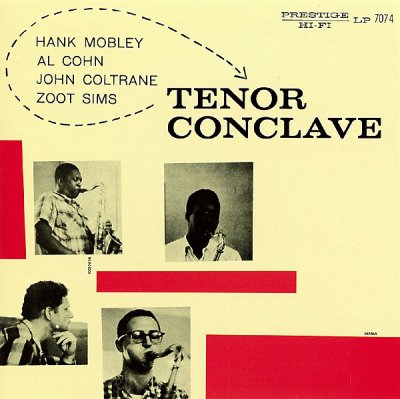
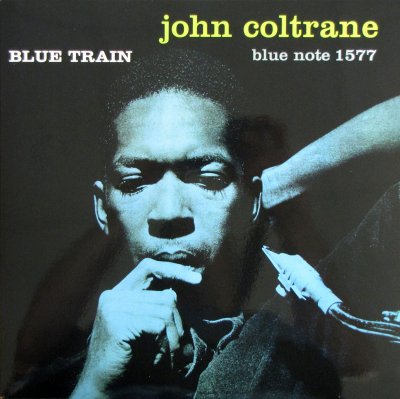
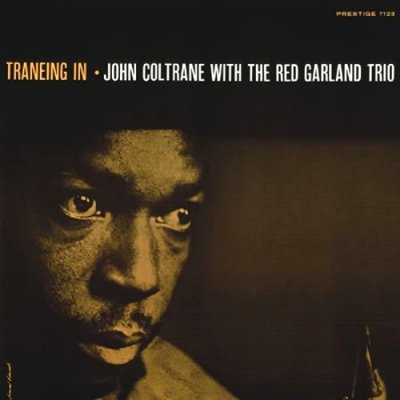
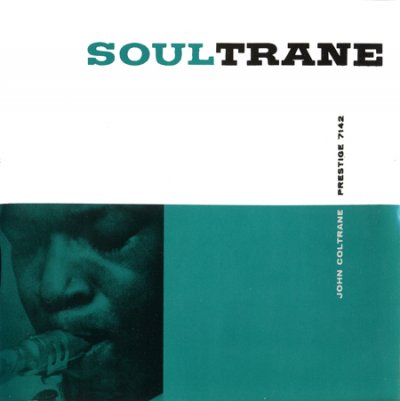
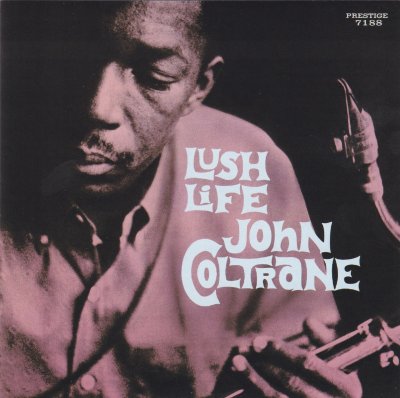
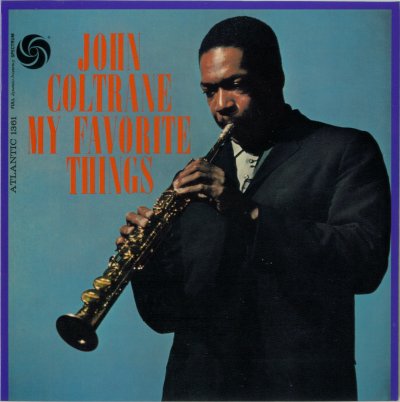
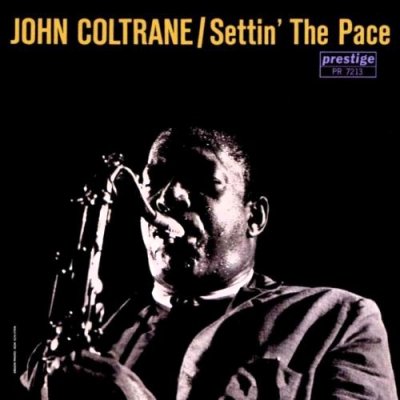
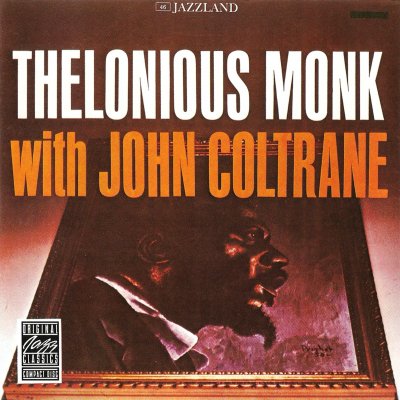
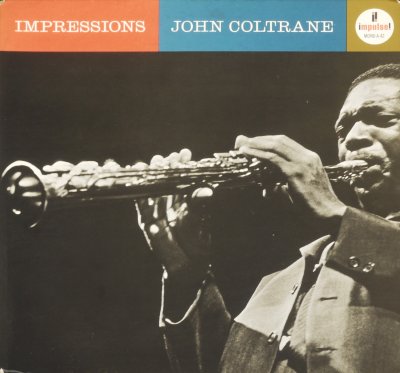
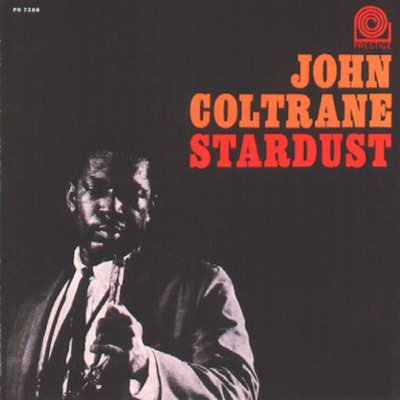
Discography
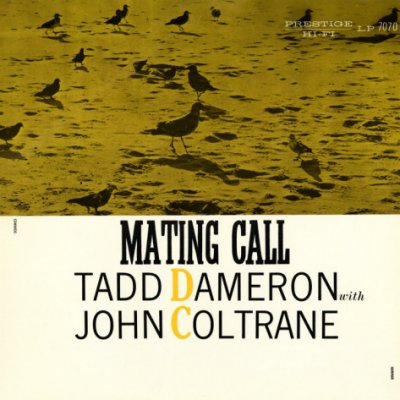
Credits
Ranked #1,799 of 14,615 producers — 716.44 career Groove across 8 records.