Jack Nitzsche
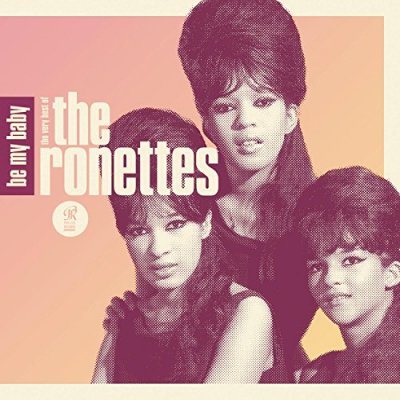
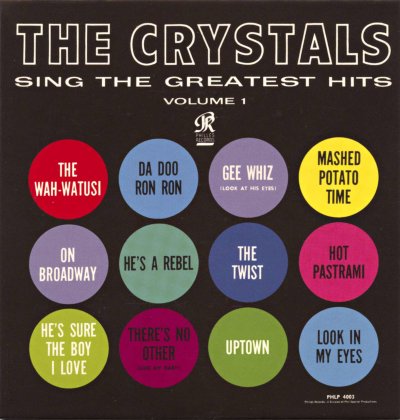
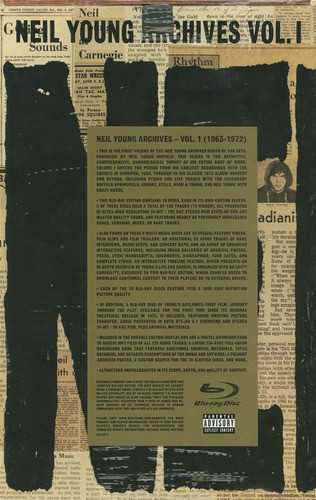
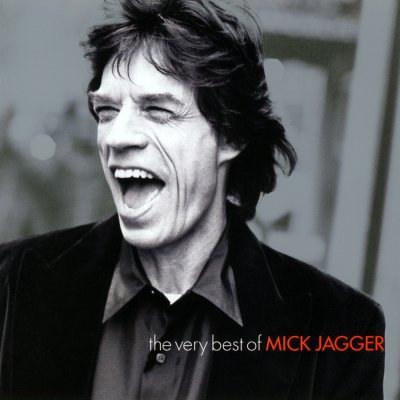
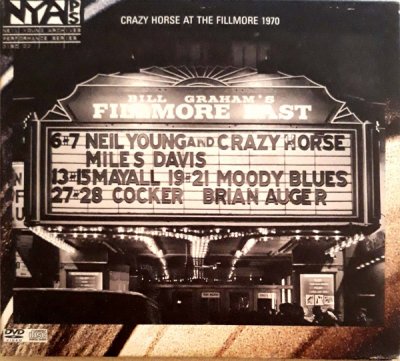
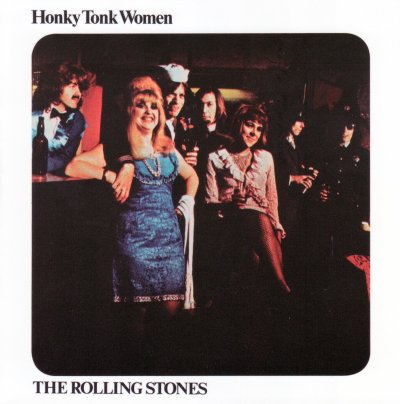
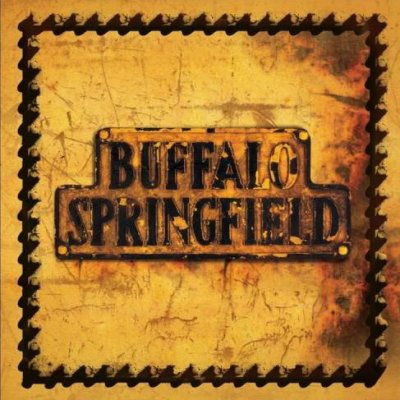
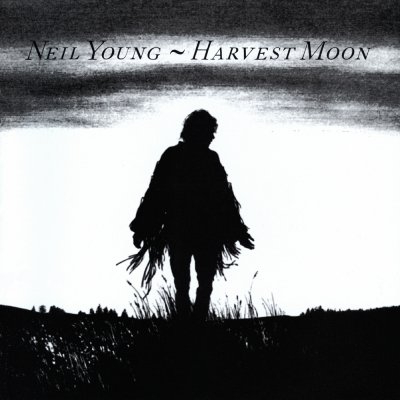
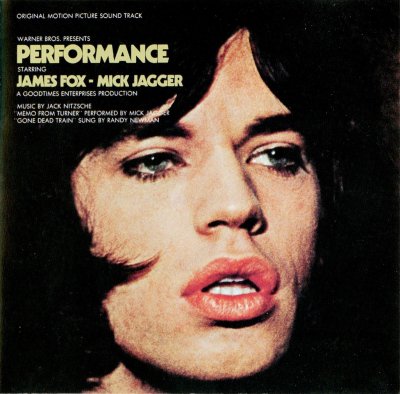
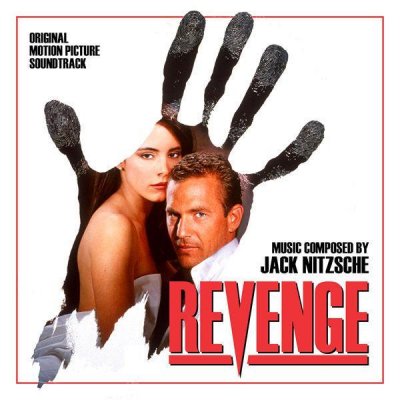
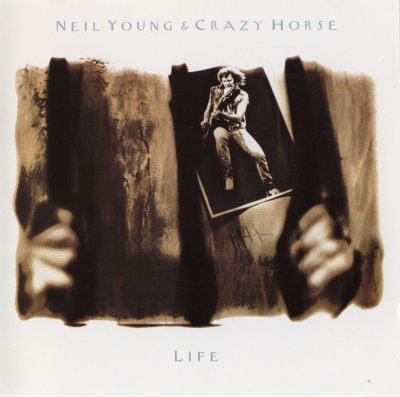
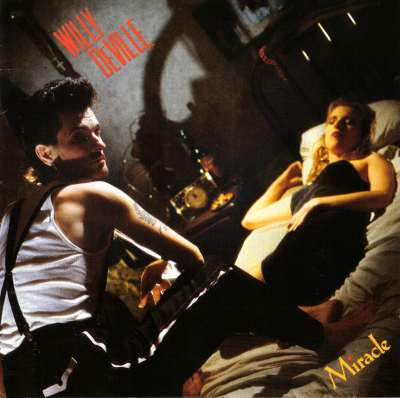
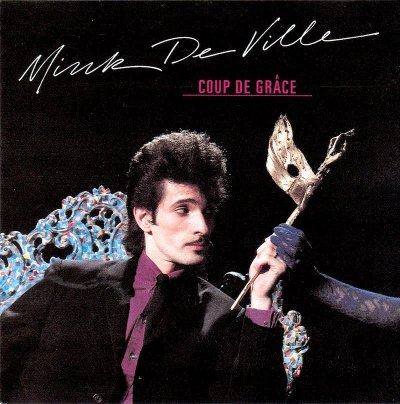
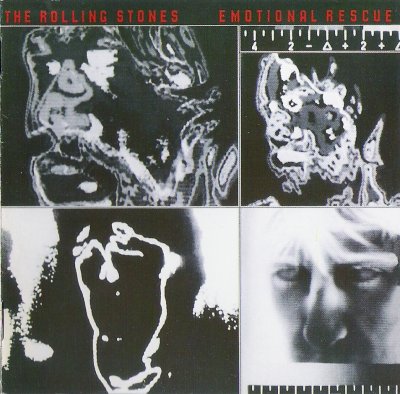
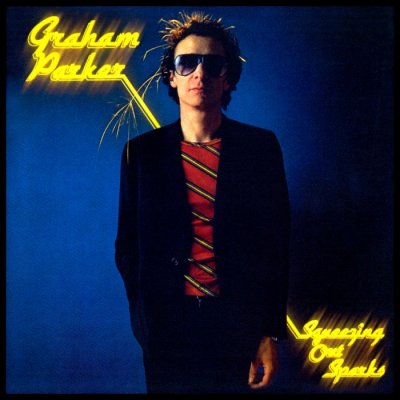
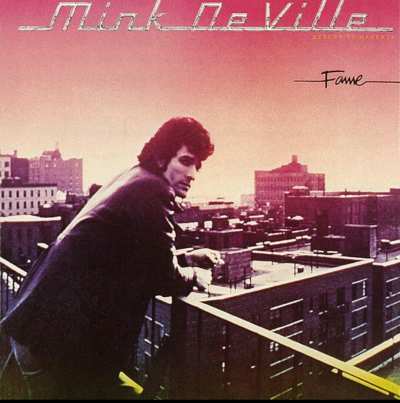
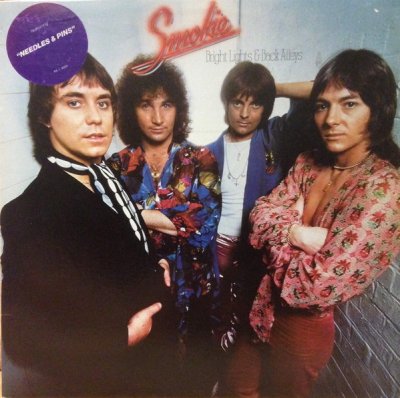
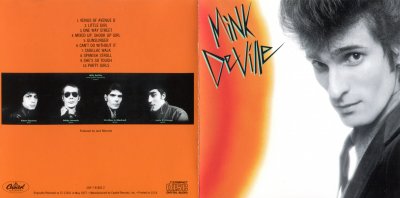
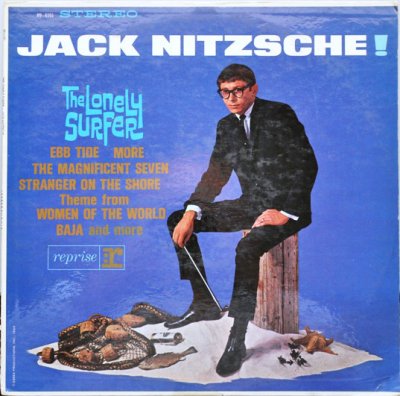
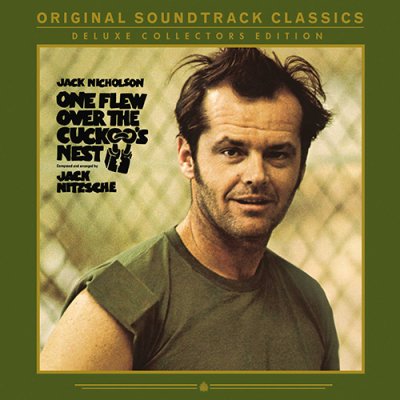
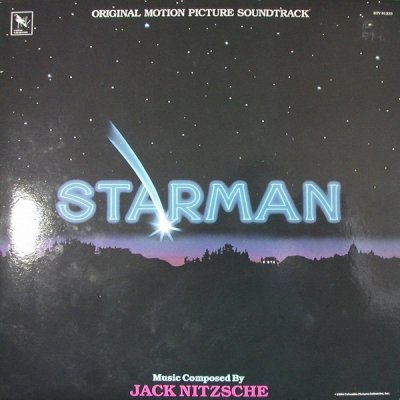
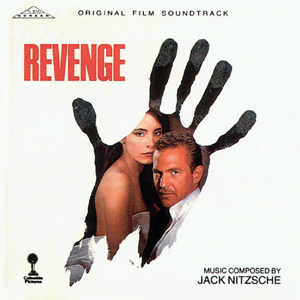
Bernard Alfred "Jack" Nitzsche was an arranger, producer, songwriter, and film score composer. He first came to prominence in the late 1950s as the right-hand-man of producer Phil Spector, and went on to work with the Rolling Stones, Neil Young and others. He also worked extensively in film scores, winning a song of the year Oscar in 1983 for co-writing "Up Where We Belong" (from An Officer and a Gentleman.) Born in Chicago, Illinois and raised on a farm in Newaygo, Michigan, Nitzsche moved to Los Angeles, California in 1955 with ambitions of becoming a jazz saxophonist. He found work copying musical scores, where he met Sonny Bono, with whom he wrote the song "Needles and Pins" for Jackie DeShannon, later covered by Cher, The Searchers, The Ramones, Crack the Sky and Willy DeVille and Tom Petty with Stevie Nicks (Pack up the Plantation). His own instrumental composition "The Lonely Surfer" became a minor hit, as did a big-band swing arrangement of Link Wray's "Rumble". He eventually became arranger and conductor for producer Phil Spector, and orchestrated the ambitious Wall of Sound for the song "River Deep, Mountain High" by Ike and Tina Turner. Besides Spector, he worked closely with West Coast session musicians such as Leon Russell, Roy Caton, Glen Campbell, Carol Kaye, and Hal Blaine in a group known as The Wrecking Crew. They created backing music for numerous sixties pop recordings by various artists such as The Beach Boys and The Monkees. Nitzsche also arranged the title song of Doris Day's Move Over, Darling that was a successful single on the pop charts of the time. Nitzsche also was the producer and arranger for two of Bob Lind's albums: Don't Be Concerned and Photographs of Feeling; a compilation disc entitled Elusive Butterfly: The Complete 1966 Jack Nitzsche Sessions, issued in 2007, contains the material on these two albums. While organizing the music for The T.A.M.I. Show television special in 1964, he met The Rolling Stones, and went on to contribute the keyboard textures to their albums The Rolling Stones, Now! (or The Rolling Stones No. 2 in the UK), Out of Our Heads, Aftermath and Between the Buttons, as well as the hit singles "Paint It, Black" and "Let's Spend the Night Together" and the choral arrangements for "You Can't Always Get What You Want". In 1968, Nitzsche introduced the band to slide guitarist Ry Cooder, a seminal influence on the band's 1969-1973 style. Some of Nitzsche's most enduring rock productions were conducted in collaboration with Neil Young, beginning with his production and arrangement of Buffalo Springfield's "Expecting To Fly", considered by many critics to be a touchstone of the psychedelic era. In 1968, he produced Young's eponymously titled solo debut with David Briggs. Even as the singer's style veered from the baroque to rootsy hard rock, Young continued to work with Nitzsche on some of his most commercially successful solo recordings, most notably Harvest. Nitzsche played electric piano with Crazy Horse throughout 1970 (a representative performance can be heard on the Live at the Fillmore East album) and went on to produce their sans-Young debut album a year later. Nitzsche also played keyboards on the first Crazy Horse album, Crazy Horse (recorded 1970, released 1971), which he has produced. There he featured as composer and lead singer of the honky-tonk song Crow Jane Lady. While prolific and hard working throughout the 1970s, he began to suffer from depression and problems connected with substance abuse. After he castigated Young in a drunken 1974 interview, the two men became estranged for several years and would only collaborate sporadically thereafter; later that year, he was dropped from Reprise Records' roster after recording a scathing song criticizing executive Mo Ostin. This desultory period culminated in his arrest for allegedly breaking into the home of and then raping ex-girlfriend Carrie Snodgress, formerly Young's companion, with a gun barrel on June 29, 1979. Snodgress was treated at the hospital for a bone fracture, cuts and bruises and had 18 stitches. The charge of rape by instrumentation (which carries a five-year sentence) was eventually dismissed. In 1979, he produced Graham Parker's album Squeezing Out Sparks. Nitzsche produced three Willy DeVille albums beginning in the late 1970s: Cabretta (1977), Return to Magenta (1978), and Coup de Grâce (1981). Nitzsche said that DeVille was the best singer he had ever worked with. In the 1970s he began to concentrate more on film music rather than pop music, and became one of the most prolific film orchestrators in Hollywood in the period, winning an Academy Award for Best Song for co-writing with Will Jennings and Buffy Sainte-Marie "Up Where We Belong" from 1982's An Officer and a Gentleman. (Nitzsche had already worked with Sainte-Marie on She Used to Wanna Be a Ballerina in the early 1970s.) Nitzsche had also worked on film scores throughout his career, such as his contributions to the Monkees movie Head, the theme music from Village of the Giants (recycling an earlier single, "The Last Race"), and the distinctive soundtracks for Performance, The Exorcist, One Flew Over the Cuckoo's Nest, Hardcore (1979), The Razor's Edge (1984), and Starman (also 1984). He was nominated for an Oscar and a Grammy for his contributions to One Flew Over the Cuckoo's Nest, his first of many studio projects with multi-instrumentalist and composer, Scott Mathews. At the start of the next decade, he scored Revenge (1990). On Revenge he worked with Joanna St. Claire, who wrote, recorded and produced the original song "Are You Ready" for the film's soundtrack. His intensive output declined somewhat during the rest of the decade. In the mid-1990s, a clearly inebriated Nitzsche was seen in an episode of the reality show COPS, being arrested in Hollywood after brandishing a gun at some youths who had stolen his hat. In attempting to explain himself to the arresting officers he is heard exclaiming that he was an Academy Award winner. In 1997, he expressed interest in producing a comeback album for Link Wray, although this never materialized due to their mutually declining health. His first wife was blue-eyed soul singer Gracia Ann May; they divorced in 1974. In 1982, he married Sainte-Marie; although they had separated by the early 1990s, it is unclear if they ever divorced. He was frequently seen once more in the company of Snodgress throughout the 1990s. Nitzsche suffered a stroke in 1998 that effectively ended his career. He died in Hollywood's Queen of Angels Hospital in 2000 of cardiac arrest brought on by a recurring bronchial infection. The R.E.M. instrumental b-side "2JN" was written by guitarist Peter Buck the week Nitzsche died, and the title uses his initials in tribute. Nitzsche, as a producer on many albums by The Rolling Stones, is credited on many tracks as the player of the "Nitzsche-phone." In an obituary on Gadfly Online, former Rolling Stones manager Andrew Loog Oldham explained the credit: I made that up for the credits on those Stones albums—it was just a regular piano (or maybe an organ) miked differently. It was all part of this package that was created around the Stones. People believed it existed. The idea was meant to be: "My god, they’ve had to invent new instruments to capture this new sound they hear in their brains." And they were inventing fresh sounds with old toys—therefore, it deserved to be highlighted—it was the read-up of creation, of imagination—getting credit for a job well done.
Discography
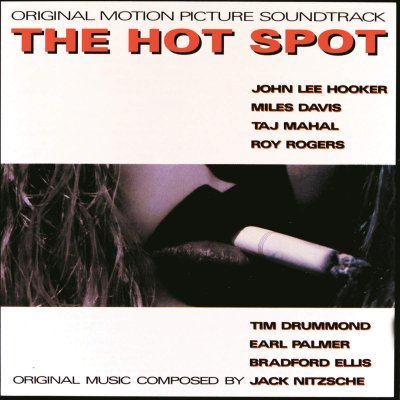
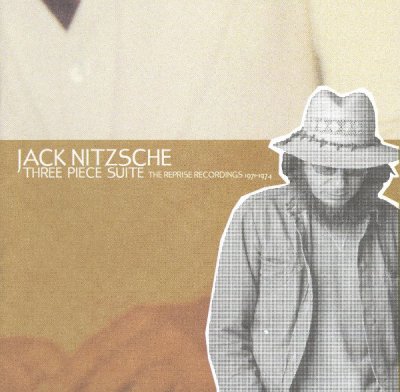
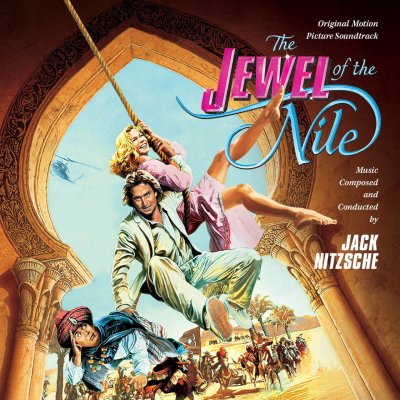
Credits
Ranked #126 of 14,615 producers — 3,633.44 career Groove across 12 records.