Gil Scott‐Heron
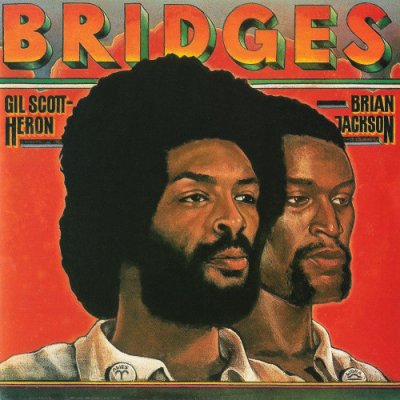
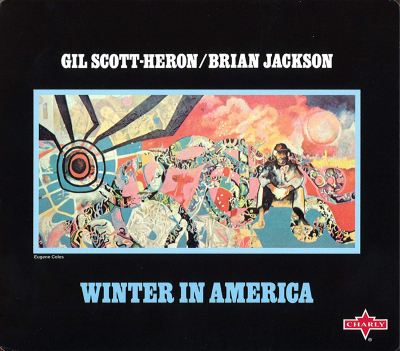
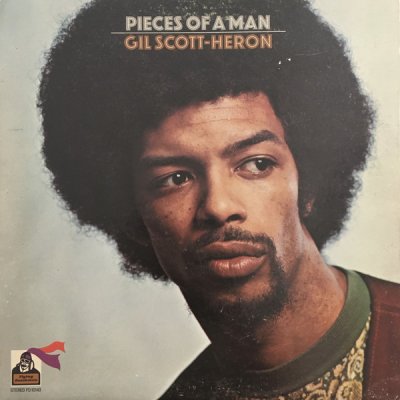
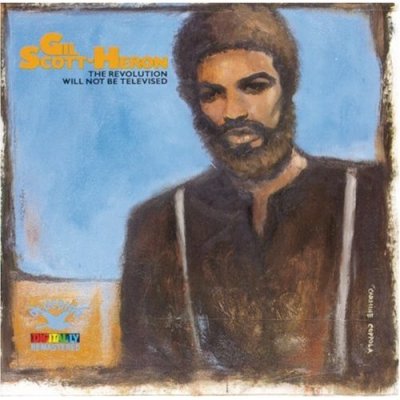
Gilbert "Gil" Scott-Heron was an American soul and jazz poet, musician, and author, known primarily for his work as a spoken word performer in the 1970s and '80s. His collaborative efforts with musician Brian Jackson featured a musical fusion of jazz, blues, and soul, as well as lyrical content concerning social and political issues of the time, delivered in both rapping and melismatic vocal styles by Scott-Heron. His own term for himself was "bluesologist", which he defined as "a scientist who is concerned with the origin of the blues." His music, most notably on Pieces of a Man and Winter in America in the early 1970s, influenced and helped engender later African-American music genres such as hip hop and neo soul. Besides influencing contemporary musicians, Scott-Heron remained active until his death, and in 2010 released his first new album in 16 years, entitled I'm New Here. A memoir he had been working on for years up to the time of his death, The Last Holiday, was also published, posthumously in January 2012. His recording work received much critical acclaim, especially one of his best-known compositions "The Revolution Will Not Be Televised". His poetic style has influenced every generation of hip hop. Gil Scott-Heron was born in Chicago, Illinois. His mother, Bobbie Scott-Heron, was an opera singer who performed with the New York Oratorio Society. Scott-Heron's father, Gil Heron, nicknamed "The Black Arrow," was a Jamaican football player in the 1950s who became the first black athlete to play for the Glasgow Celtic Football Club. Gil's parents separated in his early childhood and he was sent to live with his maternal grandmother, Lillie Scott, in Jackson, Tennessee. When Scott-Heron was 12 years old, his grandmother died and he returned to live with his mother in the Bronx, New York City. He enrolled at DeWitt Clinton High School, but later transferred to The Fieldston School after impressing the head of the English department with one of his writings and earning a full scholarship. As one of five black students at the prestigious school, Scott-Heron was faced with alienation and a significant socioeconomic gap. During his admissions interview at Fieldston, an administrator asked him, “'How would you feel if you see one of your classmates go by in a limousine while you're walking up the hill from the subway?' And said, 'Same way as you. Y'all can't afford no limousine. How do you feel?'" This type of intractable boldness would become a hallmark of Scott-Heron’s later recordings.
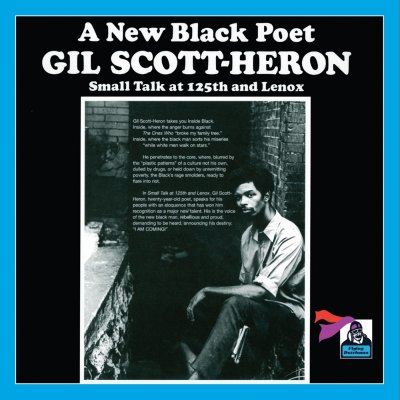
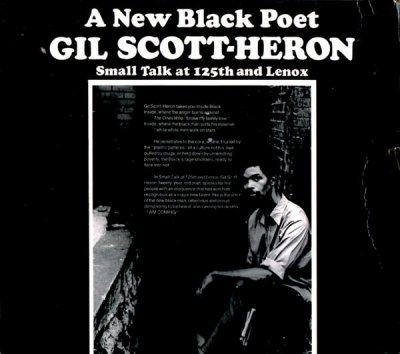
Scott-Heron attended Lincoln University in Pennsylvania, as it was the college chosen by his biggest influence Langston Hughes. It was here that Scott-Heron met Brian Jackson with whom he formed the band Black & Blues. After about two years at Lincoln, Scott-Heron took a year off to write the novels The Vulture and The Nigger Factory. The Last Poets performed at Lincoln in 1969 and Abiodun Oyewole of that Harlem group said Scott-Heron asked him after the performance, "Listen, can I start a group like you guys?" Scott-Heron returned to New York City, settling in Chelsea, Manhattan. The Vulture was published in 1970 and well received. Although Scott-Heron never received his undergraduate degree, he received a Master's degree in Creative Writing in 1972 from Johns Hopkins University. His 1972 masters thesis was titled Circle of stone. Scott-Heron began his recording career in 1970 with the LP Small Talk at 125th and Lenox. Bob Thiele of Flying Dutchman Records produced the album, and Scott-Heron was accompanied by Eddie Knowles and Charlie Saunders on conga and David Barnes on percussion and vocals. The album's 15 tracks dealt with themes such as the superficiality of television and mass consumerism, the hypocrisy of some would-be Black revolutionaries, and white middle-class ignorance of the difficulties faced by inner-city residents. In the liner notes, Scott-Heron acknowledged as influences Richie Havens, John Coltrane, Otis Redding, Jose Feliciano, Billie Holiday, Langston Hughes, Malcolm X, Huey Newton, Nina Simone, and long-time collaborator Jackson.
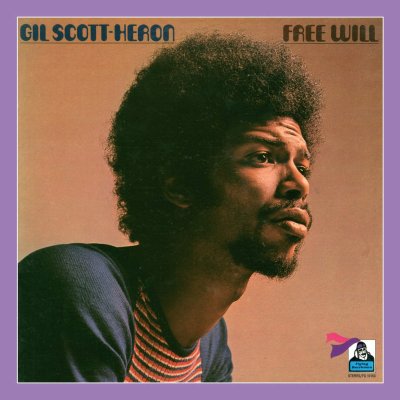
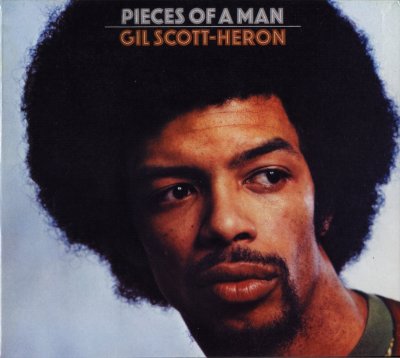
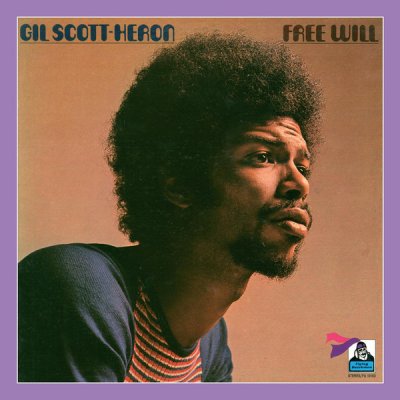
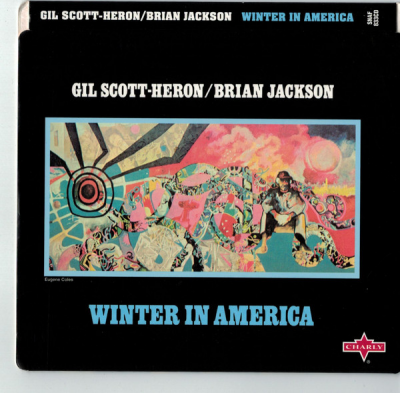
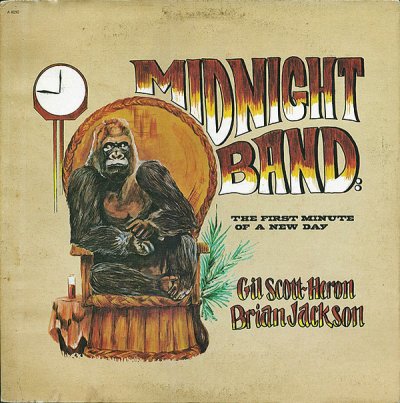
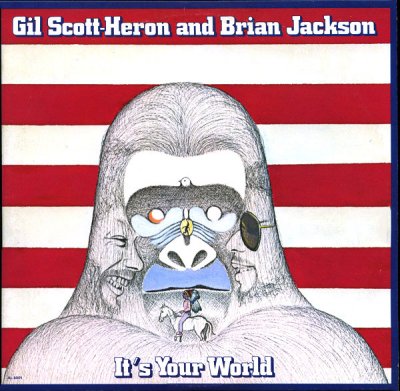
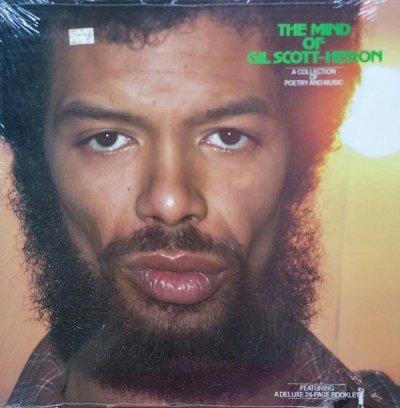
Scott-Heron's 1971 album Pieces of a Man used more conventional song structures than the loose, spoken-word feel of Small Talk. He was joined by Jackson, Johnny Pate (conductor), Ron Carter on bass and bass guitar, drummer Bernard "Pretty" Purdie, Burt Jones playing electric guitar, and Hubert Laws on flute and saxophone, with Thiele producing again. Scott-Heron's third album, Free Will, was released in 1972. Jackson, Purdie, Laws, Knowles, and Saunders all returned to play on Free Will and were joined by Jerry Jemmott playing bass, David Spinozza on guitar, and Horace Ott (arranger and conductor). Carter later said about Scott-Heron's voice, "He wasn’t a great singer, but, with that voice, if he had whispered it would have been dynamic. It was a voice like you would have for Shakespeare.” 1974 saw another LP collaboration with Brian Jackson, the critically acclaimed opus Winter in America, with Bob Adams on drums and Danny Bowens on bass. The album contained Scott-Heron's most cohesive material and featured more of Jackson's creative input than his previous albums had. Winter in America has been regarded by many critics as the two musicians' most artistic effort. The following year, Scott-Heron and Jackson also released Midnight Band: The First Minute of a New Day. A live album, It's Your World, followed in 1976 and a recording of spoken poetry, The Mind of Gil Scott-Heron, was released in 1979. Another hit success followed with the hit single "Angel Dust", which he recorded as a single with producer Malcolm Cecil. "Angel Dust" peaked at No.15 on the R&B charts in 1978.
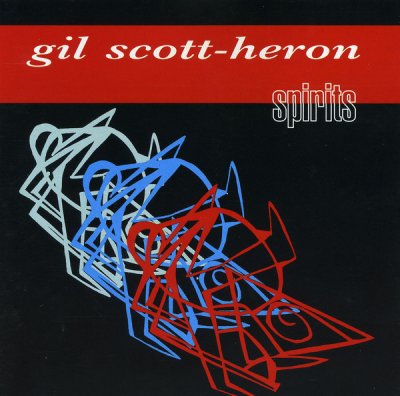
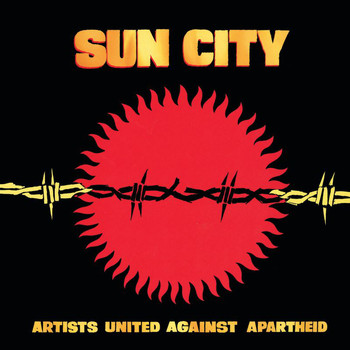
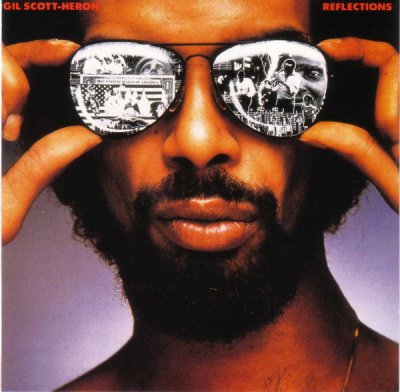
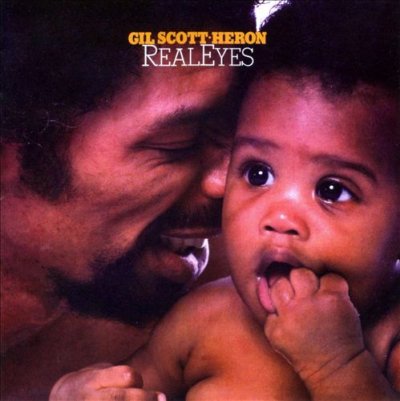
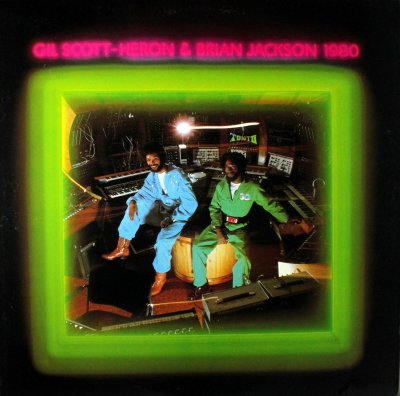
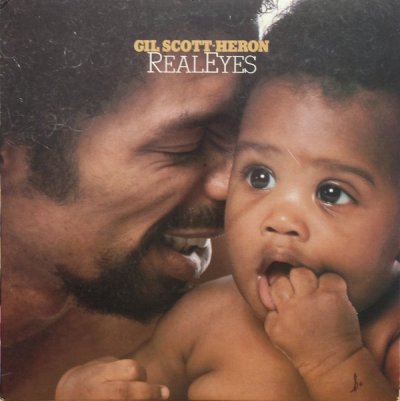
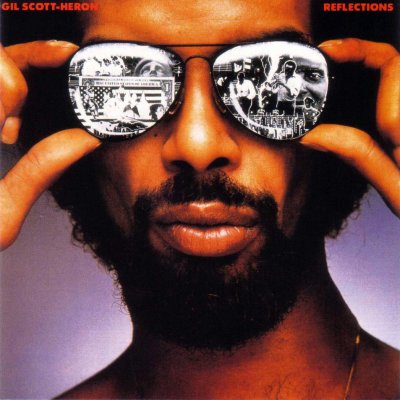
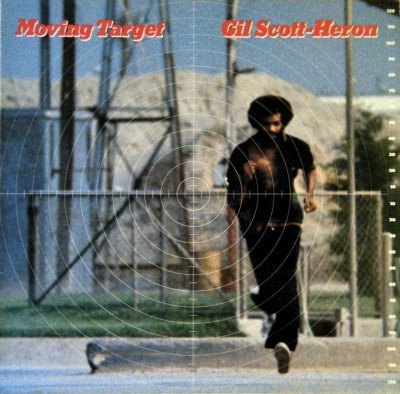
In 1979, Scott-Heron played at the No Nukes concerts at Madison Square Garden. The concerts were organized by Musicians United for Safe Energy to protest the use of nuclear energy following the Three Mile Island accident. Scott-Heron's song, "We Almost Lost Detroit" was included in the No Nukes album of concert highlights. It alluded to a previous nuclear power plant accident and was also the title of a book by John G. Fuller. Scott-Heron was also a frequent critic of President Ronald Reagan and his conservative policies. Scott-Heron recorded and released only four albums during the 1980s: 1980 and Real Eyes (1980), Reflections (1981) and Moving Target (1982). In February 1982, Ron Holloway joined the ensemble to play tenor saxophone. He toured extensively with Scott-Heron and contributed to his next album, Moving Target the same year. His tenor accompaniment is a prominent feature of the songs "Fast Lane" and "Black History/The World." Holloway continued with Scott-Heron until the summer of 1989, when he left to join Dizzy Gillespie. Several years later, Scott-Heron would make cameo appearances on two of Ron Holloway's CD's; Scorcher (1996) and Groove Update (1998), both on the Fantasy/Milestone label. Scott-Heron was dropped by Arista Records in 1985 and quit recording, though he continued to tour. The same year he helped compose and sang "Let Me See Your I.D." on the Artists United Against Apartheid album Sun City, containing the famous line, "The first time I heard there was trouble in the Middle East, I thought they were talking about Pittsburgh." The song compares racial tensions in the US with those in apartheid-era South Africa, implying that the US was not too far ahead in race relations. In 1993, he signed to TVT Records and released Spirits, an album that included the seminal track "'Message to the Messengers". The first track on the album criticized the rap artists of the day. Scott-Heron is known in many circles as "the Godfather of rap" and is widely considered to be one of the genre's founding fathers. Given the political consciousness that lies at the foundation of his work, he can also be called a founder of political rap. Message to the Messengers was a plea for the new generation of rappers to speak for change rather than perpetuate the current social situation, and to be more articulate and artistic. Regarding hip hop music in the 1990s, he said in an interview: They need to study music. I played in several bands before I began my career as a poet. There’s a big difference between putting words over some music, and blending those same words into the music. There’s not a lot of humor. They use a lot of slang and colloquialisms, and you don’t really see inside the person. Instead, you just get a lot of posturing. —Gil Scott-Heron In 2001, Scott-Heron was sentenced to one to three years imprisonment in New York State for possession of cocaine. While out of jail in 2002, he appeared on the Blazing Arrow album by Blackalicious. He was released on parole in 2003. On July 5, 2006, Scott-Heron was sentenced to two to four years in a New York State prison for violating a plea deal on a drug-possession charge by leaving a drug rehabilitation center. Scott-Heron's sentence was to run until July 13, 2009. He was paroled on May 23, 2007. The reason given for the violation of his plea deal was that the clinic refused to supply Scott-Heron with HIV medication. This story led to the presumption that the artist was HIV positive, subsequently confirmed in a 2008 interview. After his release, Scott-Heron began performing live again, starting with a show at "SOB's" restaurant and nightclub in New York on September 13, 2007. On stage, he stated that he and his musicians were working on a new album and that he had resumed writing a book titled The Last Holiday, previously on long-term hiatus, about Stevie Wonder and his successful attempt to have the birthday of Martin Luther King Jr. declared a federally recognized holiday in the United States.
Scott-Heron performing at the Regency Ballroom in San Francisco, 2009
Mark T. Watson, a student of Scott-Heron's work, dedicated a collection of poetry to Scott-Heron titled Ordinary Guy that contained a foreword by Jalal Mansur Nuriddin of The Last Poets. The book was published in the UK in 2004 by Fore-Word Press Ltd. Scott-Heron recorded one of the poems in Watson's book Black & Blue due for release in 2008 as part of the album Rhythms of the Diaspora by Malik & the OG's on the record label CPR Recordings. In April 2009 on BBC Radio Four, poet Lemn Sissay presented a half-hour documentary on Gil Scott-Heron entitled Pieces of a Man. Having interviewed Gil Scott-Heron in New York a month earlier, Pieces of a Man was the first UK announcement from Gil of his forthcoming album and return to form. In November 2009, the BBC's Newsnight interviewed Gil Scott-Heron for a feature titled The Legendary Godfather of Rap Returns. In 2009, a new Gil Scott-Heron website, gilscottheron.net, was launched with a brand new track "Where Did The Night Go" made available as a free download from the site.
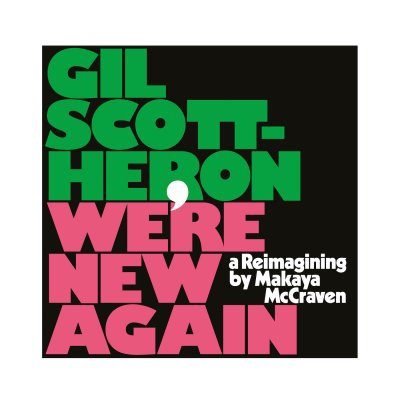
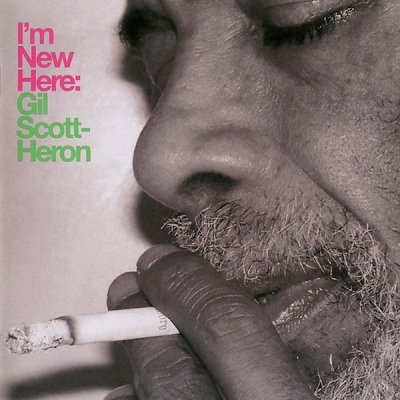
Scott-Heron released his new album I'm New Here on independent label XL Recordings on February 9, 2010. Produced by XL label owner Richard Russell, I'm New Here was Scott-Heron's first studio album in sixteen years. The pair started recording the album in 2007, with the majority of the record being recorded over the last twelve months with engineer Lawson White at Clinton Studios in New York. Some have called the record “reverent” and “intimate” due to Scott-Heron’s half-sung, half-talked delivery of his poetry. “I’m New Here” is 28 minutes long with 15 tracks. However, casual asides and observations collected during recording sessions are also included as interludes. The album attracted substantial critical acclaim with The Guardian newspaper's Jude Rogers declaring it one of the next decade's best records. The first single from the album was "Me And The Devil", which was released on February 22, 2010. It was debuted by BBC Radio 1's Zane Lowe as his "Hottest Record In The World", along with other specialist DJs such as Gilles Peterson and Benji B. The album's remix, We're New Here, was released in 2011, featuring reworking by English music producer Jamie xx of material from the original album. It was also very well received by music critics. In 2010 he had been booked to play a gig in Tel Aviv, but this attracted criticism from Palestinian groups who stated "Your performance in Israel would be the equivalent to having performed in Sun City during South Africa’s apartheid era... We hope that you will not play apartheid Israel." In response, he cancelled the performance. Scott-Heron died on the afternoon of May 27, 2011, at St. Luke's Hospital, New York City, after becoming ill upon returning from a European trip. Scott-Heron had confirmed previous press speculation about his health, when he disclosed in a 2008 New York Magazine interview, that he had been HIV-positive for several years, and that he had been previously hospitalized for pneumonia. The cause of Scott-Heron's death has yet to be announced.
He is survived by his daughter Nia Kelly from his relationship with Pat Kelly, his son Rumal Rackley from his relationship with Lurma Rackley, daughter Gia Scott-Heron from his marriage to Brenda Sykes; and daughters Raquiyah Kelly Heron and Chegianna Newton. He is also survived by his sister Gayle and a brother, Denis Heron, who once managed Scott-Heron; an uncle, Roy Heron; and by nephew Terrance Kelly, an actor and rapper who performs as Mr. Cheeks and who was a member of the Lost Boyz. In response, Public Enemy's Chuck D stated "RIP GSH...and we do what we do and how we do because of you." on his Twitter account. His UK publisher, Jamie Byng, called him "one of the most inspiring people I've ever met". On hearing of the death, R&B singer Usher stated "I just learned of the loss of a very important poet...R.I.P., Gil Scott-Heron. The revolution will be live!!". Richard Russel, who produced Scott-Heron's final studio album, called him a "father figure of sorts to me". Eminem stated that "He influenced all of hip-hop". Lupe Fiasco wrote a poem about him and posted it on his website. Scott-Heron's memorial service was held at Riverside Church in New York City on June 2, 2011, where in tribute to Scott-Heron, Kanye West performed "Lost in the World" and "Who Will Survive in America", songs from his last album, My Beautiful Dark Twisted Fantasy. "Who Will Survive in America" was co-written by Scott-Heron. Gil Scott-Heron was honored posthumously as a 2012 Grammy Lifetime Achievement Award winner by the National Academy of Recording Arts and Sciences. Charlotte Fox, member of the Washington, DC, NARAS and president of Genesis Poets Music, nominated Scott-Heron for the award. The letter of support came from Grammy award winner and Grammy Hall of Fame inductee Bill Withers. Scott-Heron's memoir, The Last Holiday, published posthumously by Canongate in the UK and Grove Press in the US, went on sale in January 2012.
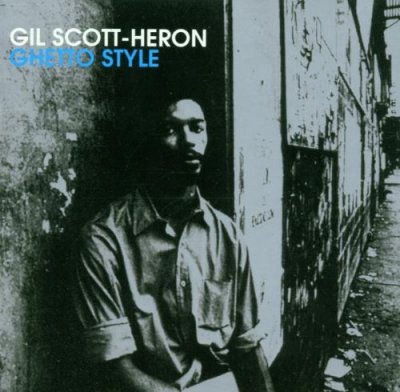
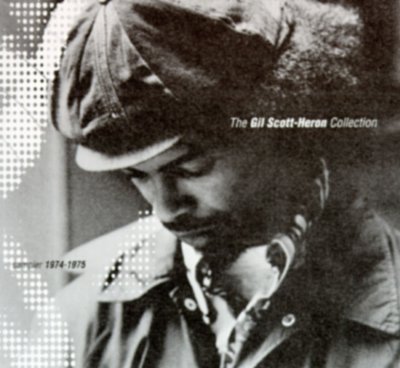
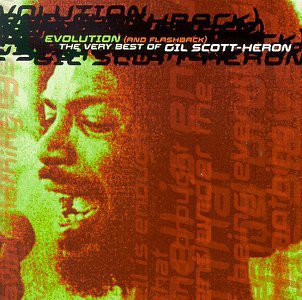
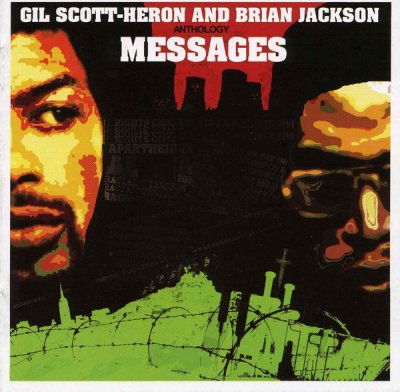
Discography
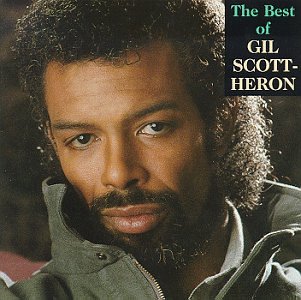
Credits
Ranked #2,109 of 14,615 producers — 623.14 career Groove across 4 records.