music.nwby NeuraWeb Global Inc.
~13.0M artists · ~39.4M recordings indexed
Narrow to
FL
Person · Hungarian composer, pianist and conductor

Franz Liszt

Albums
2332
Members
0
Active
1811–1886
Origin
Hungary
Biography

Franz Liszt (Hungarian - 22 October 1811 – 31 July 1886) was a prolific 19th-century Hungarian composer, virtuoso pianist, conductor, music teacher, arranger, organist, philanthropist, author, nationalist and a Franciscan tertiary. Liszt gained renown in Europe during the early nineteenth century for his prodigious virtuosic skill as a pianist. He was a friend, musical promoter and benefactor to many composers of his time, including Frédéric Chopin, Richard Wagner, Hector Berlioz, Robert Schumann, Camille Saint-Saëns, Edvard Grieg, Ole Bull, Joachim Raff, Mikhail Glinka, and Alexander Borodin. As a composer, Liszt was one of the most prominent representatives of the New German School (Neudeutsche Schule).

He left behind an extensive and diverse body of work in which he influenced his forward-looking contemporaries and anticipated many 20th-century ideas and trends. Some of his most notable musical contributions were the invention of the symphonic poem, developing the concept of thematic transformation as part of his experiments in musical form, and making radical departures in harmony. Life: Franz Liszt was born to Anna Liszt (née Maria Anna Lager) and Adam Liszt on 22 October 1811, in the village of Doborján (German: Raiding) in Sopron County, in the Kingdom of Hungary, Austrian Empire. Liszt's father played the piano, violin, cello and guitar.

He had been in the service of Prince Nikolaus II Esterházy and knew Haydn, Hummel and Beethoven personally. At age six, Franz began listening attentively to his father's piano playing. Adam began teaching him the piano at age seven, and Franz began composing in an elementary manner when he was eight. He appeared in concerts at Sopron and Pressburg (Hungarian: Pozsony, present-day Bratislava, Slovakia) in October and November 1820 at age 9.

After the concerts, a group of wealthy sponsors offered to finance Franz's musical education in Vienna. There Liszt received piano lessons from Carl Czerny, who in his own youth had been a student of Beethoven and Hummel. He also received lessons in composition from Ferdinando Paer and Antonio Salieri, who was then the music director of the Viennese court. Liszt's public debut in Vienna on December 1, 1822, at a concert at the "Landständischer Saal", was a great success.

He was greeted in Austrian and Hungarian aristocratic circles and also met Beethoven and Schubert. In spring 1823, when his one-year leave of absence came to an end, Adam Liszt asked Prince Esterházy in vain for two more years. Adam Liszt therefore took his leave of the Prince's services. At the end of April 1823, the family returned to Hungary for the last time.

At the end of May 1823, the family went to Vienna again. Towards the end of 1823 or early 1824, Liszt's first composition to be published, his Variation on a Waltz by Diabelli (now S. 147), appeared as Variation 24 in Part II of Vaterländischer Künstlerverein. This anthology, commissioned by Anton Diabelli, includes 50 variations on his waltz by 50 different composers (Part II), Part I being taken up by Beethoven's 33 variations on the same theme, which are now separately better known simply as his Diabelli Variations, Op. 120. Liszt's inclusion in the Diabelli project—he was described in it as "an 11 year old boy, born in Hungary"—was almost certainly at the instigation of Czerny, his teacher and also a participant.

Liszt was the only child composer in the anthology. Adolescence in Paris: After his father's death in 1827, Liszt moved to Paris; for the next five years he was to live with his mother in a small apartment. He gave up touring. To earn money, Liszt gave lessons in piano playing and composition, often from early morning until late at night.

His students were scattered across the city and he often had to cover long distances. Because of this, he kept uncertain hours and also took up smoking and drinking—all habits he would continue throughout his life. The following year, he fell in love with one of his pupils, Caroline de Saint-Cricq, the daughter of Charles X's minister of commerce, Pierre de Saint-Cricq. Her father, however, insisted that the affair be broken off.

Liszt fell very ill, to the extent that an obituary notice was printed in a Paris newspaper, and he underwent a long period of religious doubts and pessimism. He again stated a wish to join the Church but was dissuaded this time by his mother. He had many discussions with the Abbé de Lamennais, who acted as his spiritual father, and also with Chrétien Urhan, a German-born violinist who introduced him to the Saint-Simonists. Urhan also wrote music that was anti-classical and highly subjective, with titles such as Elle et moi, La Salvation angélique and Les Regrets, and may have whetted the young Liszt's taste for musical romanticism.

Equally important for Liszt was Urhan's earnest championship of Schubert, which may have stimulated his own lifelong devotion to that composer's music.

Discography
Hungarian Rhapsody, No. 2
Franz Liszt · 1923
Konzert Es-Dur = Concerto E-flat Major = Concierto Mi-bemol
Franz Liszt · 1928
Les Preludes
Franz Liszt · 1928
Rêve D'Amour / Sonetto Del Petrarca, N° 104
Franz Liszt · 1929
Rhapsodie No. 12
Franz Liszt · 1934
Les Préludes (Symphonic Poem No. 3)
Franz Liszt · 1938
Concerto No. 2 In A Major For Piano & Orchestra
Franz Liszt · 1939
Concerto No. 1 In E Flat Major (For Piano And Orchestra)
Franz Liszt · 1940
Concerto No. 2 In A Major For Piano And Orchestra
Franz Liszt · 1940
Ungarische Rhapsodie Nr. 2
Franz Liszt · 1940
Mefisto Waltz (No. 2 Of "Two Episodes To Lenau's Faust")
Franz Liszt · 1942
Consolation No. 3 / Hungarian Rhapsody No. 10
Franz Liszt · 1943
Concerto For Piano (No. 1, In E-Flat)
Franz Liszt · 1947
Les Préludes
Franz Liszt · 1948
Sonata In B Minor / Piano Music Of Liszt
Franz Liszt · 1948
Concerto No. 2 In A Major For Piano And Orchestra / Variations On A Nursery Theme For Piano And Orchestra, Op. 25
Franz Liszt · 1949
Liebestraum No. 3 / Slavonic Dance In G Minor
Franz Liszt · 1949
Orpheus (Symphonic Poem No. 4)
Franz Liszt · 1949
Années De Pèlerinage / Deux Légendes
Franz Liszt · 1951
Années de Pèlerinage "Italie" (Complete)
Franz Liszt · 1951
Les Préludes
Franz Liszt · 1951
Sonata in B Minor
Franz Liszt · 1951
Sonata In B Minor
Franz Liszt · 1951
Todtentanz / Symphonic Variations
Franz Liszt · 1951
Ungarische Rhapsodie Nr. 2 / Ungarische Rhapsodie Nr. 12
Franz Liszt · 1951
1-й Концерт Для Ф-но С Оркестром, Ми Бемоль Мажор / Прелюдии. Симфоническая Поэма
Franz Liszt · 1952
Concerto No. 1 In E Flat Major For Piano And Orchestra
Franz Liszt · 1952
Mephisto Waltz - Consolation No. 3 In D-Flat - Spanish Rhapsody
Franz Liszt · 1952
Piano Concerto #1 In E Flat Major / Piano Concerto In C Major, Op. 11
Franz Liszt · 1952
Piano Concerto No. 1 In E Flat / Fantasie In F Minor / Mazurka No. 23 / Etude No. 4
Franz Liszt · 1952
The Christmas Tree
Franz Liszt · 1952
A Symphony To Dante's "Divine Comedy".
Franz Liszt · 1953
Boston Pops Plays Hungarian Rhapsodies Nos. 1 And 2 / Hungarian Dances Nos. 2 And 5
Franz Liszt · 1953
Concerto No. 1 In E-Flat / Concerto No. 1 In G Minor
Franz Liszt · 1953
Concerto No. 1 In E-flat Major For Piano And Orchestra / Hungarian Fantasy
Franz Liszt · 1953
Concerto No.1 In E Flat Major For Piano & Orchestra / Concerto No.2 In A Major For Piano & Orchestra
Franz Liszt · 1953
Deux Légendes
Franz Liszt · 1953
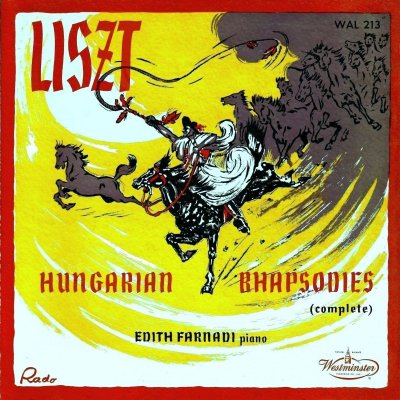
Hungarian Rhapsodies (Complete)
Franz Liszt · 1953
Hungarian Rhapsodies (Complete) Vol. I
Franz Liszt · 1953
Hungarian Rhapsodies (Complete) Vol. II
Franz Liszt · 1953
Liszt And Brahms Hungarian Music
Franz Liszt · 1953
Liszt Recital
Franz Liszt · 1953
Mazeppa / Les Préludes
Franz Liszt · 1953
Mountain Symphony - Symphonic Poem No. 1 / Tasso - Symphonic Poem No. 2
Franz Liszt · 1953
Piano Concerto No.1 No.2
Franz Liszt · 1953
Rapsodie Hongroise N°15 En la Mineur
Franz Liszt · 1953
Sonata In B Minor / Sonetto 104 Del Petrarca
Franz Liszt · 1953
Мефисто-Вальс / Пештский Карнавал
Franz Liszt · 1953
Прометей / Мазепа
Franz Liszt · 1953
Тассо / Болеро
Franz Liszt · 1953
19 Hungarian Rhapsodies And Spanish Rhapsody, Complete In 3 Volumes (Volume III Nos. 14-19)
Franz Liszt · 1954
Brailowsky Plays Liszt
Franz Liszt · 1954
Concerto For Piano And Orchestra No. 1 In E Flat Major / No. 2 In A Major
Franz Liszt · 1954
Four Tone Poems For Orchestra
Franz Liszt · 1954
Les Préludes / Caprice Italien
Franz Liszt · 1954
Liebesträume, Balladen, Legenden
Franz Liszt · 1954
Rhapsodie Espagnole / Consolations / Hungarian Rhapsodies Nos. 16-19
Franz Liszt · 1954
Sonata For Piano In B Minor / Valse Impromptu / Mephisto Waltz
Franz Liszt · 1954
Симфония "Фауст"
Franz Liszt · 1954
6 Paganini Etudes / 3 Concert Etudes
Franz Liszt · 1955

Credits

Brightlight
Composer · 2024
Schubert
Arranger · 2019
Lychgate
Composer · 2013
Khatia Buniatishvili plays Franz Liszt
Composer · 2011
Piano Concertos Nos. 1 & 2
Writer · 2010
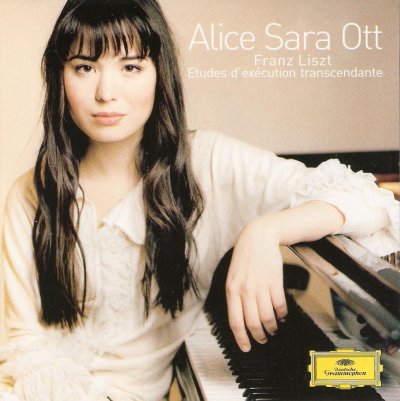
12 Etudes d'exécution transcendante
Composer · 2008
Horowitz in Hamburg - The Last Concert
Composer · 2008
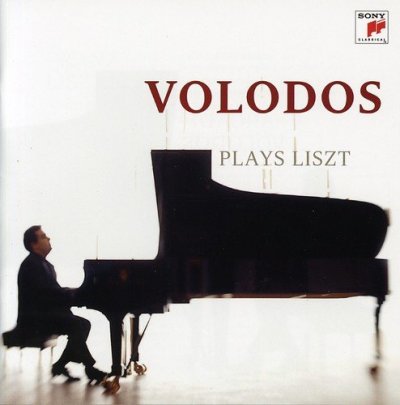
Volodos plays Liszt
Composer · 2006
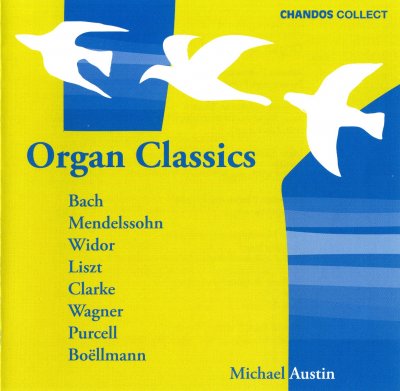
Organ Classics
Composer · 2005
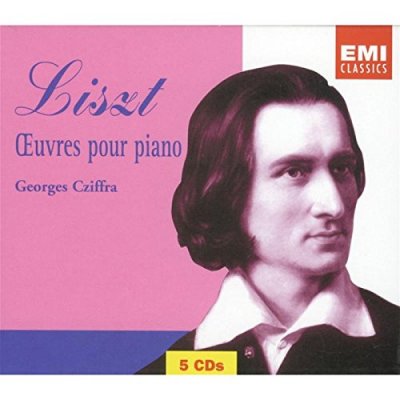
Œuvres pour piano
Composer · 2001
Piano Concertos / Totentanz / Hungarian Fantasy
Composer · 2001
Dante Symphony / Dante Sonata
Composer · 1994
Witches’ Brew
Composer · 1994
Berlioz: Symphonie fantastique / Liszt: Les Préludes
Composer · 1993
Kathleen Battle at Carnegie Hall
Composer · 1992
Piano Concertos no. 1 & no. 2 / Totentanz / Hungarian Fantasy
Composer · 1992
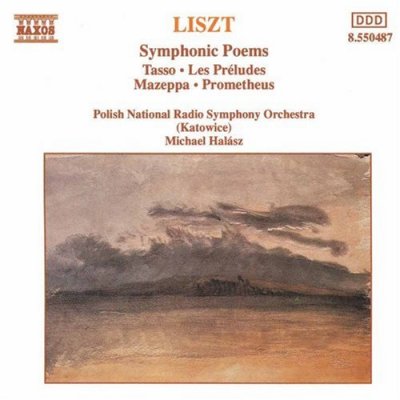
Symphonic Poems
Composer · 1992
Faust Symphony For Two Pianos
Composer · 1990
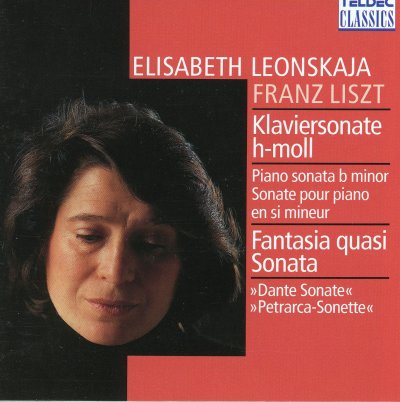
Klaviersonate h‐moll / Fantasia quasi sonata
Composer · 1990
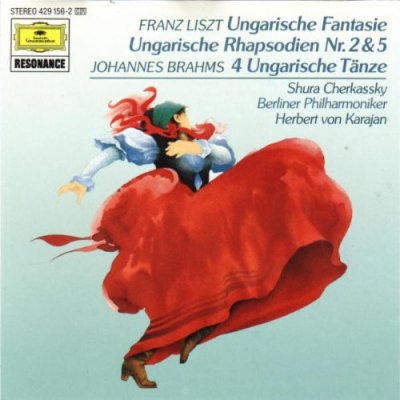
Liszt: Ungarische Fantasie / Ungarische Rhapsodien Nr. 2 & 5 / Brahms: 4 Ungarische Tänze
Composer · 1989
Album cover
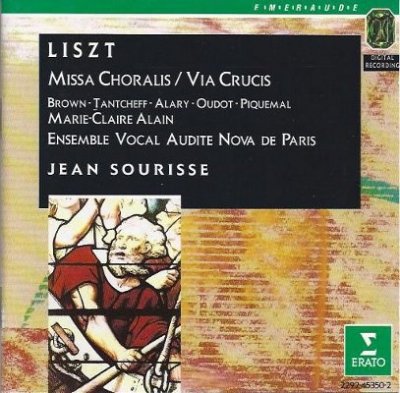
Missa Choralis / Via Crucis
Composer · 1989
Album cover
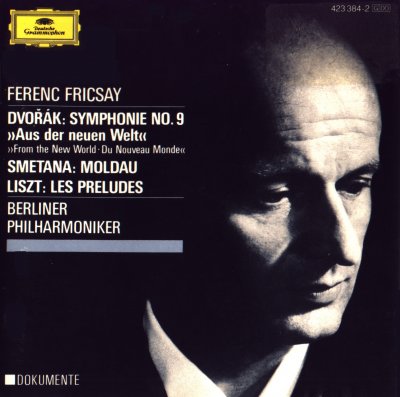
Dvorak: Symphonie No. 9 »Aus der neuen Welt« / Smetana: Die Moldau / Liszt: Les Préludes
Composer · 1988
Nojima Plays Liszt
Composer · 1987
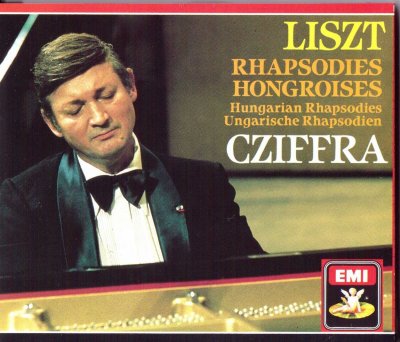
Rhapsodies Hongroises
Composer · 1987
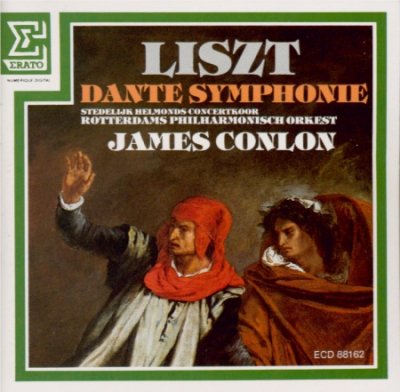
Dante Symphony
Composer · 1986
Symphonic Poems (complete)
Composer · 1986
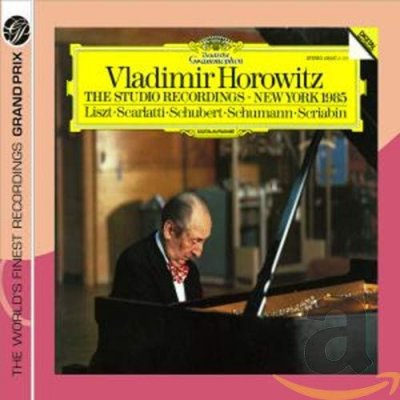
The Studio Recordings: New York 1985
Composer · 1986
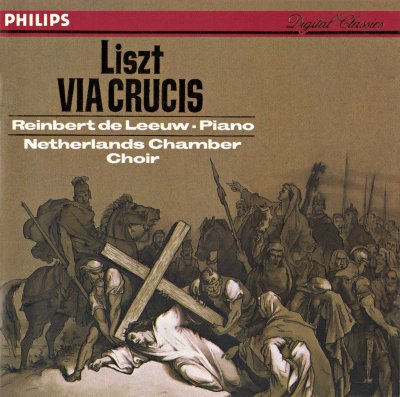
Via Crucis
Composer · 1986
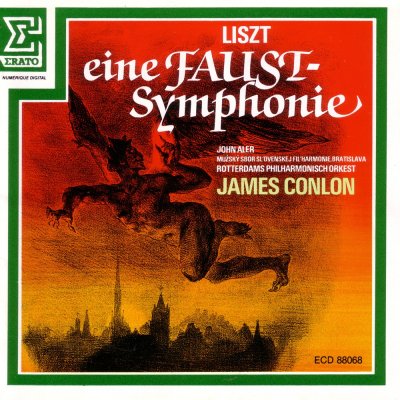
Eine Faust-Symphonie
Composer · 1985
Piano Concertos Nos. 1 & 2
Composer · 1984
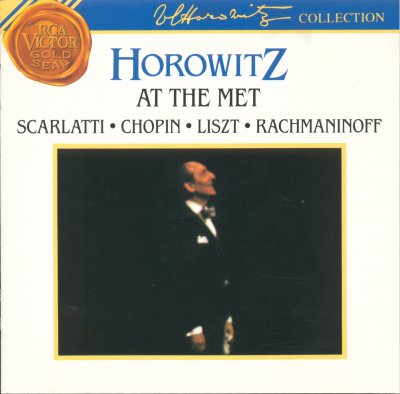
Horowitz at the Met
Composer · 1982
Album cover
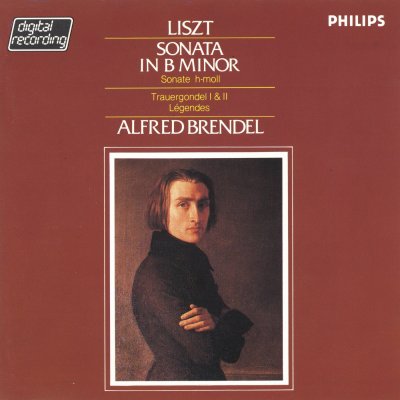
Sonata in B minor / Trauergondel I & II / Légendes
Composer · 1982
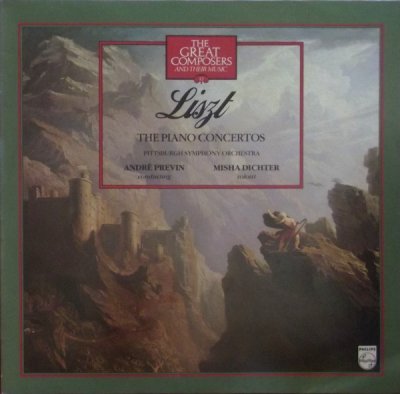
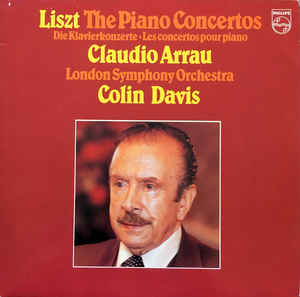
The Piano Concertos
Composer · 1981
The Shining
Composer · 1980
Album cover
Träumerei: Die schönsten romantischen Klavierstücke
Composer · 1979
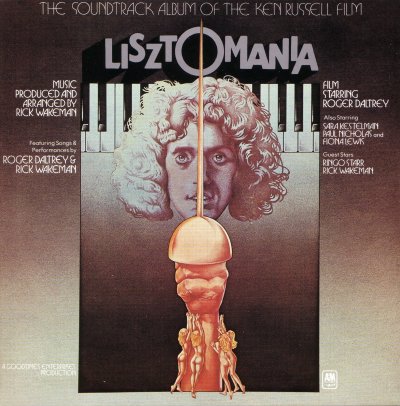
Lisztomania
Writer · 1975
Love’s Dream
Writer · 1975
Complete Hungarian Rhapsodies
Composer · 1974
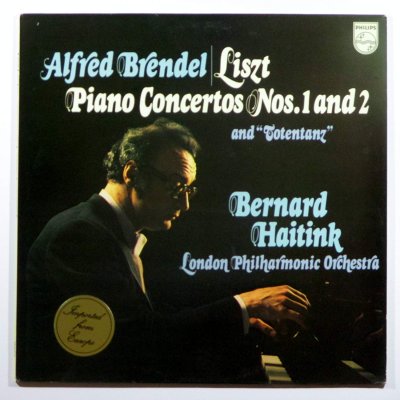
Piano Concertos Nos. 1 & 2 / Totentanz / Mephisto Waltz
Composer · 1972
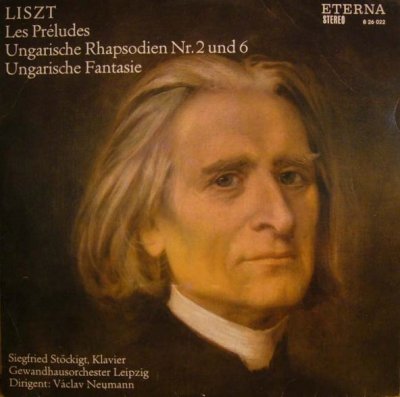
Les Préludes / Ungarische Rhapsodien Nr. 2 und 6 / Ungarische Fantasie
Composer · 1970
Desfolhada Portuguesa (Eurovisão 69)
Composer · 1969
Album cover
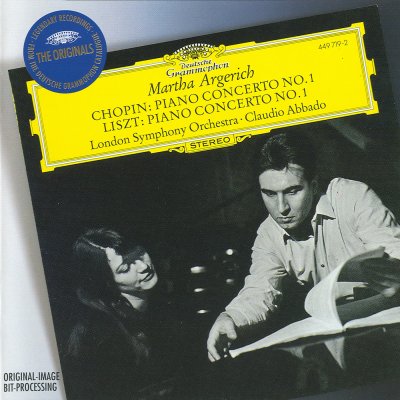
Chopin: Piano Concerto no. 1 / Liszt: Piano Concerto no. 1
Composer · 1968
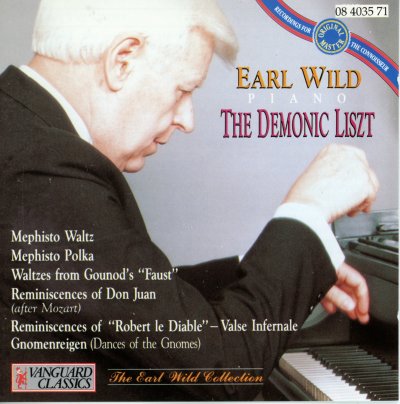
The Demonic Liszt
Composer · 1968
Reader's Digest: A Gay Festival of Light Classical Music
Composer · 1960
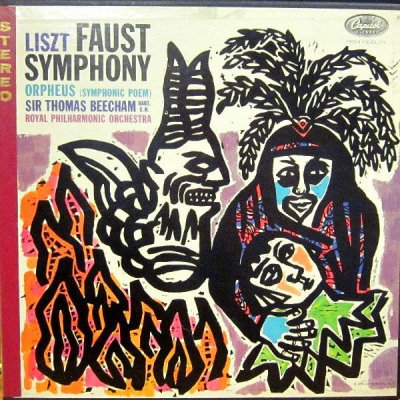
A Faust Symphony / Symphonic Poem: Orpheus
Composer · 1959
ロマンティック・リサイトル
Composer · —
100 Relaxing Classics
Composer · —
101 Romantic Piano Music
Composer · —
10-я Рапсодия
Composer · —
11 - Liszt, Wagner
Composer · —
12 Etudes D'execution Transcendante
Composer · —
12 Etudes D'Exécution Transcendante / 3 Etudes De Concert
Composer · —
15 Hungarian Rhapsodies
Composer · —
17-я Соната / Соната-фантазия = Sonata No. 17 / Sonata-fantasy
Composer · —
1812 / Hungarian March / Hungarian Rhapsody No. 2 / Valse Triste / Invitation To The Dance
Composer · —
1980s
Composer · —
19 Hungarian Rhapsodies
Composer · —
19 Hungarian Rhapsodies And Spanish Rhapsody, Complete In 3 Volumes (Volume III Nos. 14-19)
Composer · —
1. Ungarische Rhapsodie
Composer · —
1-й Концерт / 3-я Соната / Прелюдия / Марш / Сонет Петрарки № 123 / Этюд-картина
Composer · —