Francesco Guccini
As recalled by a verse of one of his songs, "it was the fate that in three months" moved his family out of Modena because of war. Guccini spent his childhood and part of his youth at his grandparents' place in a small village in the Apennine Mountains called Pàvana, a fraction of the commune Sambuca Pistoiese in the province of Pistoia (Toscana). The memory of the youth years spent in the somewhat archaic society of the mountains of central Italy was to be always present in his songs and books. He then moved back to his family in Modena and attended the local "istituto magistrale".
He worked for a couple otf years as a reporter for a local newspaper Gazzetta di Modena. In 1960 the Guccinis moved to Bologna where Francesco studied at the local university. From 1965 to 1985 he held italian courses at the Dickinson College (an American school) in Bologna. He played in local bands such as The Hurricanes and Gatti and achieved success in the 1960s writing songs for a legendary Italian band, Nomadi, also from Modena.
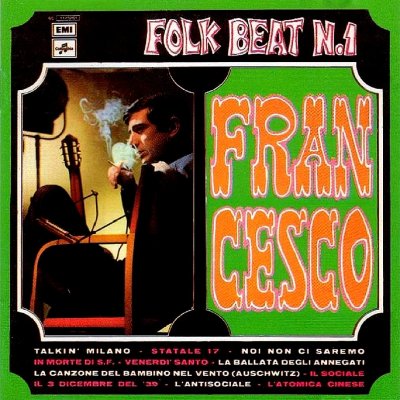
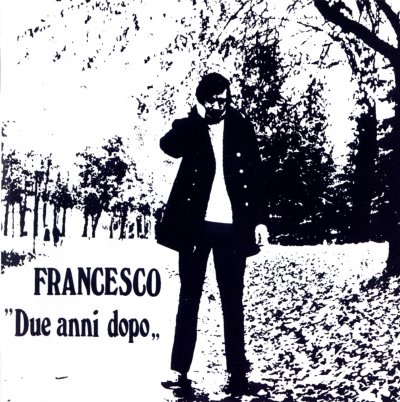
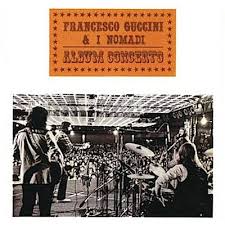
Some of these successes include "Noi non ci saremo" and "Dio è morto". In the 1970s, Nomadi recorded two albums of Guccini's songs as well as a live album, Album Concerto, featuring him. Guccini's debut album was Folkbeat, No. 1 (1967). Guccini always declared his first two works, Folk Beat n.1 and Due Anni Dopo, being merely tentatives, a nature probably noticeable in the quite essential musical arrangements.
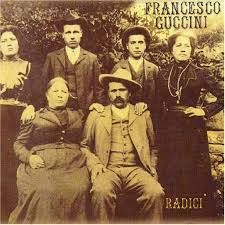
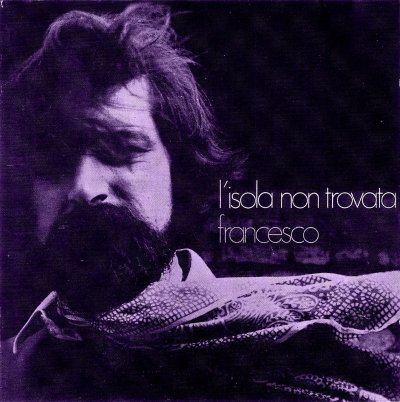
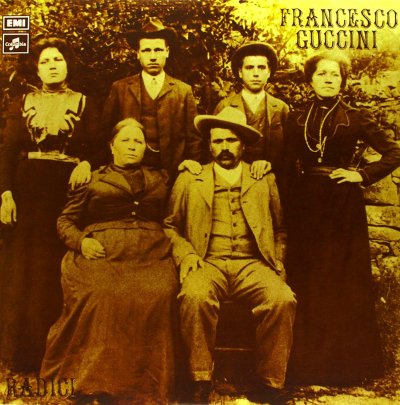
The latter, however, contained classics like the title-track and "La primavera di Praga" ("Prague Spring"). His first mature album is therefore L'Isola Non Trovata ("The Not Found Island") of 1970, which shows many the themes which were to be present in the future releases: a certain melancholy for a perceived nearness of death, as well as the portrait of outcasts figures like "Il frate" ("The Friar"). Radici ("Roots", 1972), is one of Guccini's finest works, and contains some of his most famous songs. These include: the title-track, a nostalgic declaration of love for Guccini's youth spent in the Appennine mountains; "La locomotiva", a long ballad about the solitary, unlucky revolt of a Bolognese railwayman during the 19th century; "Il vecchio e il bambino", a melancholic story about the dreams of an old man, and the different way in which they are perceived by the boy accompanying him; "Piccola città" ("Small City"), about Guccini's early years in the Emilia-Romagna provincial world.
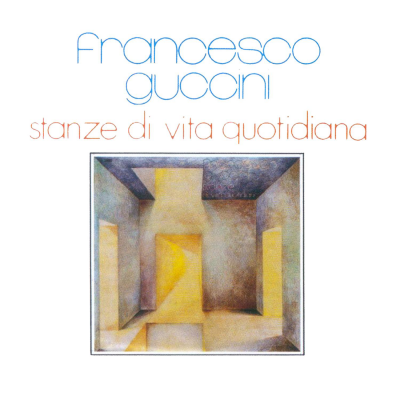
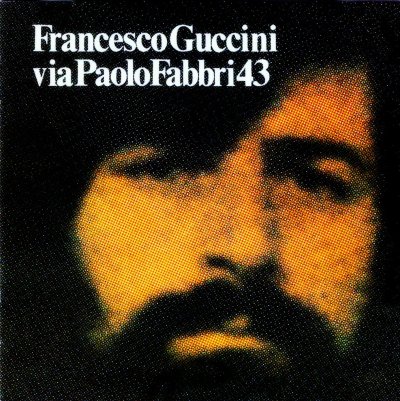
Stanze Di Vita Quotidiana ("Stanzas of Everyday Life") of 1974 deals with more private themes, sometimes with nearly desperate accents. The album contains at least one masterwork, the yearning "Canzone delle osterie di fuori porta". In 1976 Guccini scored his greatest commercial success with the album Via Paolo Fabbri 43. The title is his residence street in Bologna.
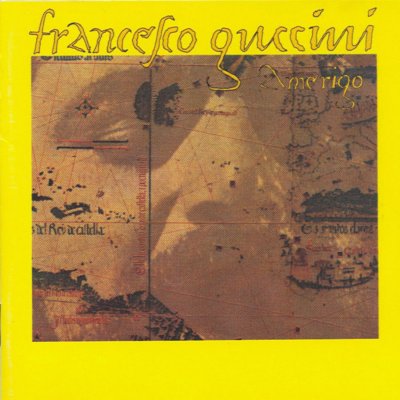
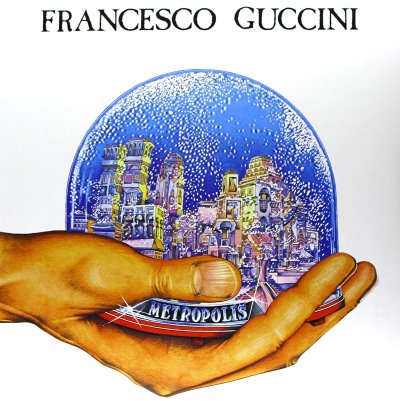
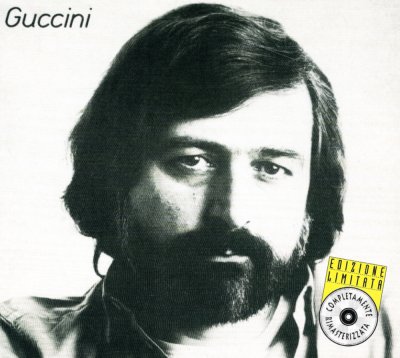
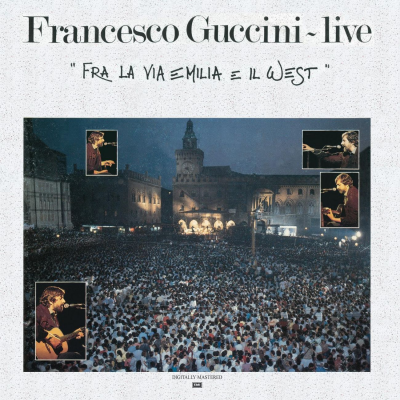
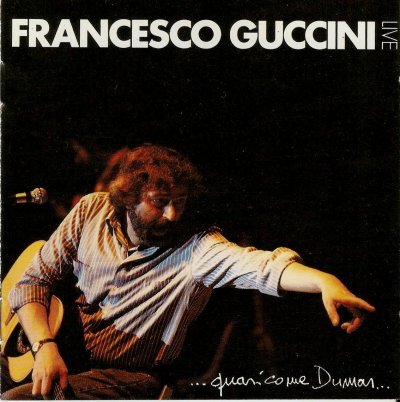
He declared this choice was an error, because many of his fans made true pilgrimages there to meet and talk with him. The album features the famous "L'avvelenata", a catchy ballad in which Guccini unleashes his rage against musics critics and people perceiving in a distorted way his career ans popularity as singer-songwriter. Amerigo (1978), whose title-track is about the story of the emigration of Guccini's Pavanese uncle to the United States, Metropolis (1981), and Guccini (1983), showed that the Bolognese singer's inspiration was left untouched by the general switch to the more commercial themes that characterized the Italian musical world starting from the end of 1970s. The 1984 live tournée was highly successful, and was soon collected in a double live LP, Fra La Via Emilia E Il West ("Between the Via Aemilia and the West").
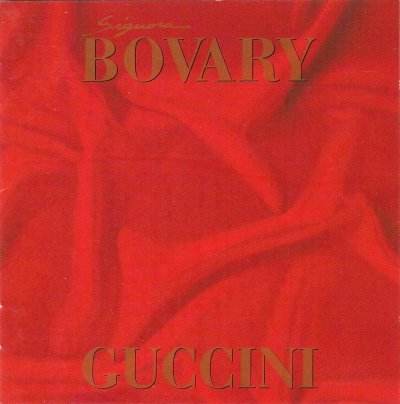
Emilia Romagna and the Old West symbolize well the double ties of Guccini to his native land and to America. Guccini declared to have knwown the latter soon in his life, through the comics and magazines imported by US soldiers during World War 2, but also through his uncle's tales. After the war, like many Italians of the period, he was of course influenced by American songs and Hollywood movies, and finally managed to touch with hand this kind of myth during his personal voyages to US (including a love story with an American girl). Last album of 1980s was Signora Bovary (1987), containing notable pieces like "Scirocco".
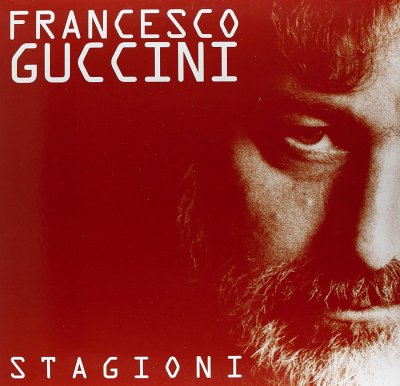
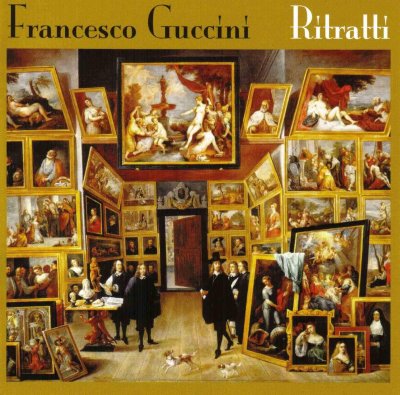
After several interlocutory albums in the 1990s, Guccini returned at his best with Stagioni ("Seasons") of 2000: the title-track is an effective, merciless accusation against media invadence and moral corruption of Italy. Guccini's last studio release is Ritratti of 2004.
Discography
Credits