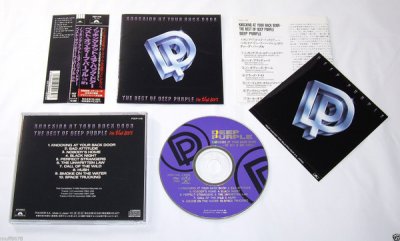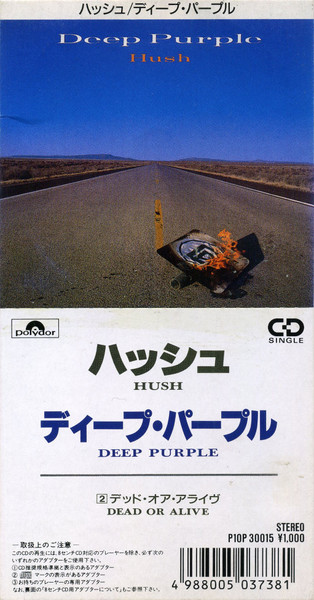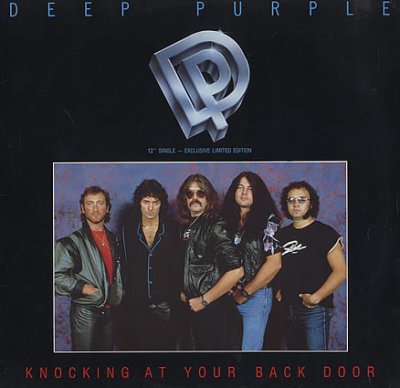
Deep Purple
It all started in 1968 when Chris Curtis, an ex-Searcher, formed a group withDave Curtiss (no relation, note different spelling) on bass, Bobby Woodman-Clarke on drums and brought in ex-Artwoods organist Jon Lord (born 9 June 1941, Leicester, England) and ex-Johnny Kidd andThe Pirates bassist, Nick Simper (born 3 November 1946, Southall, Middlesex). Nick had survived the car crash that had killed Johnny Kidd in 1966. GuitaristRitchie Blackmore (born 14 April 1945, Weston-super-Mare, England) joined inrehearsals for this new act initially dubbed Roundabout. Curtis dropped outwithin days, and when Dave and Bobby also proved incompatible, two members ofMaze, Rod Evans (born 19 January 1945, Edinburgh, Scotland; vocals) and IanPaice (born 29 June 1948, Nottinghamshire; drums), replaced them.
Having adopted the Deep Purple name (apparently inspired by Ritchie'sgrandmother's favorite song) following a brief Scandinavian tour in April 1968(where they played as Roundabout, "in case they flopped"), the quintetbegan recording their debut album, which they patterned on USA group VanillaFudge. "Shades of Deep Purple" thus included dramatic rearrangementsof well-known songs, including a faithful cover of Hendrix's version of"Hey Joe" and the Joe South-penned, Billy Joe Royal hit"Hush", the latter hitting US #4 in 1968 but not troubling the UKchart-compilers one bit. Lengthy tours ensued as the group, all but ignored at home, steadfastly courtedthe burgeoning American concert circuit. "The Book Of Taliesyn" and"Deep Purple" albums also featured several excellent reworkings, notably "Kentucky Woman" (Neil Diamond) and "River Deep MountainHigh" (Ike And Tina Turner).
The lengthy intro section to "RiverDeep" was a dramatic work-out of the theme from the then recently releasedStanley Kubrick sci-fi classic film "2001: A Space Odyssey". Thispiece was based on Richard Strauss' "Thus Spake Zarathustra" and JonLord's classical leanings would soon culminate in a self-composed full-lengthwork performed at the Royal Albert Hall in September 1969. The band also drew acclaim for their original material and the dramaticinterplay between Lord and Blackmore. In concert these guitar/organ duels couldgo on for over 20 minutes!
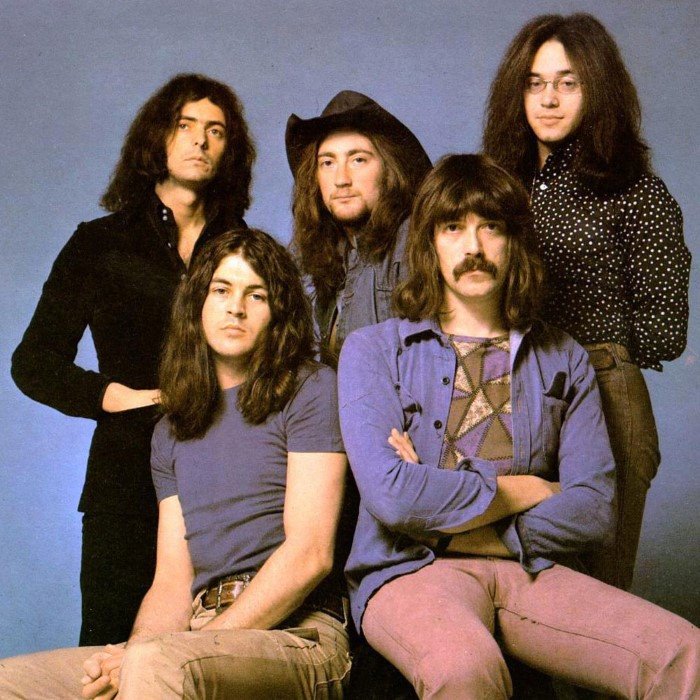
In July 1969 both Evans and Simper were axed from the line-up, which was thenbuoyed by the arrival of Ian Gillan (born 19 August 1945, Hounslow, Middlesex, England; vocals) and Roger Glover (born 30 November 1945, Brecon, Wales; bass)from the pop group Episode Six. Acknowledged by aficionados as the"classic" Deep Purple line-up (forever onwards known as Mark II), thereshaped quintet made its album debut on the grandiose "Concerto For GroupAnd Orchestra", scored by Lord and recorded with the Royal PhilharmonicOrchestra conducted by Malcolm Arnold (later sir Malcolm). Its hard rock successor, "In Rock", established the group as aleading heavy metal attraction and introduced such enduring favorites as"Speed King" and "Child In Time. " Gillan's powerfulsilver-throated vocals brought a third dimension to their sound and thisnew-found popularity in the UK was enhanced when the single, "BlackNight" reached number 2.
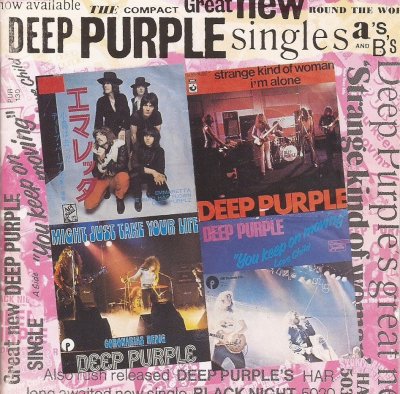
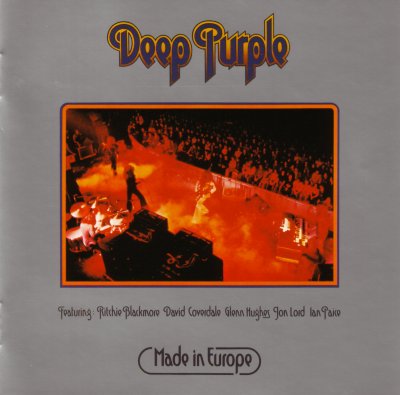
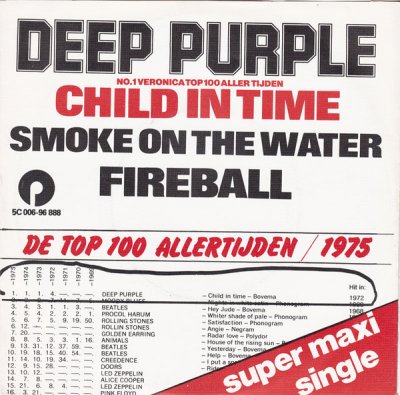
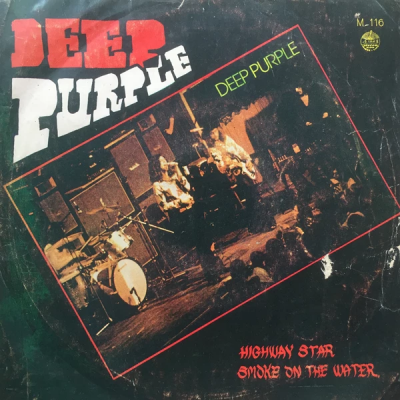
"Strange Kind Of Woman" followed itinto the Top 10 (reaching #8 in Feb 1971), while "Fireball" and "Machine Head" both toppedthe album charts. The latter included the riff-laden "Smoke On TheWater", based on a real incident involving Frank Zappa and The Mothersand an infamous Montreaux concert. Although the platinum-selling "Made In Japan" captured their liveprowess in full flight, relations within the band grew increasingly strained, and "Who Do We Think We Are! " would be the end of this highlysuccessful line-up.
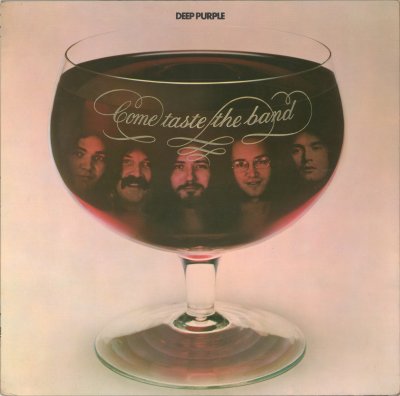
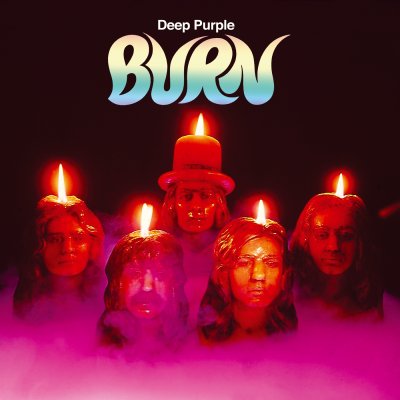
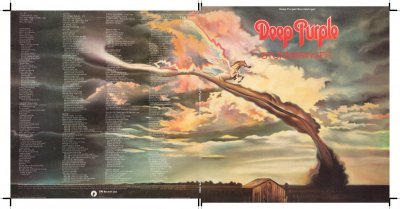
The departures of Gillan and Glover robbed DeepPurple of an expressive frontman and imaginative arranger, although DavidCoverdale (born 22 September 1949, Saltburn-by-the-Sea, Lancashire, England; vocals) and Glenn Hughes (born 21 August 1952, Penkridge, Staffordshire; ex-Trapeze, bass & vocals) brought a new impetus to the act. "Burn" and "Stormbringer" both reached the Top 10, butBlackmore grew increasingly dissatisfied with the group's direction and in May1975 left to form Rainbow. US guitarist Tommy Bolin (born 18 April 1951, SiouxCity, Idaho), formerly of the James Gang and who had impressed Coverdale withhis playing on Billy Cobham's "Spectrum", joined Deep Purple for"Come Taste The Band", but his jazz/soul style was incompatible withthe group's heavy metal sound, and a now-tiring act folded in 1976 following afarewell UK tour. Bolin died of a heroin overdose within months of Purple's demise.
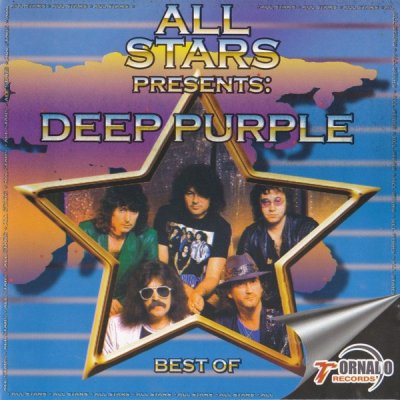
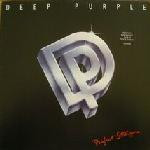
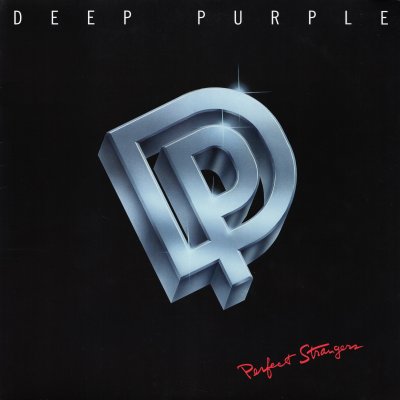
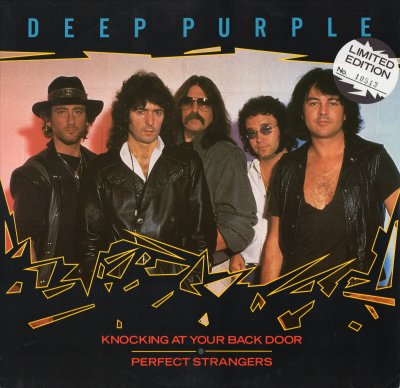
Judiciousarchives and 'best of' releases kept the group in the public eye, as did thehigh profile enjoyed by its several ex-members. Successful off-shoot bandsinclude Whitesnake, Rainbow and Gillan. Pressure for a reunion bore fruit in1984 when Gillan, Lord, Blackmore, Glover and Paice (the original Mark II)completed "Perfect Strangers". A whole new generation of fansdiscovered Deep Purple through this release and subsequent US, Japaneseand European tour.
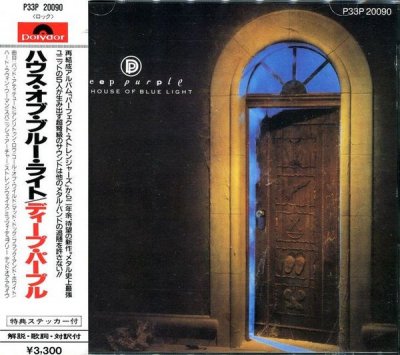
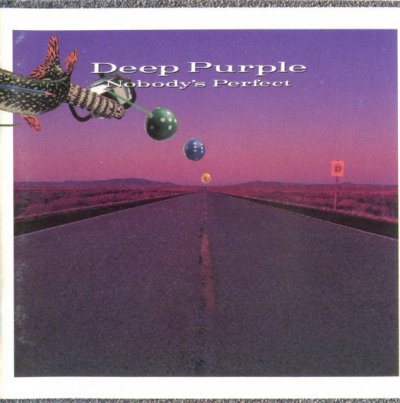
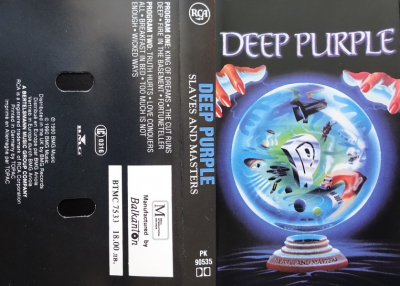
A second album, "The House Of Blue Light", followed, but recurring animosity between Gillan and Blackmore resulted in thesinger's departure following the disappointing live album "Nobody'sPerfect" which included a 1988 rehearsal re-working of their first hit"Hush". Joe Lynn Turner, one of Blackmore's many Rainbow vocalists, joined and gave theband more of an AOR (Adult-Orientated Rock) direction. After a disappointingSlaves & Masters album released in 1990 (though Fire In The Basement isclassic 70s Purple), better sense prevailed. Gillan was re-admitted for histhird stint, uncomfortably sharing stage and studio with Blackmore.
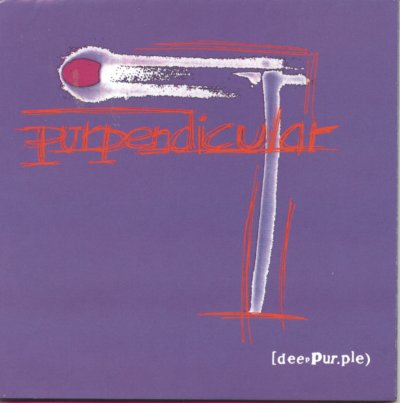
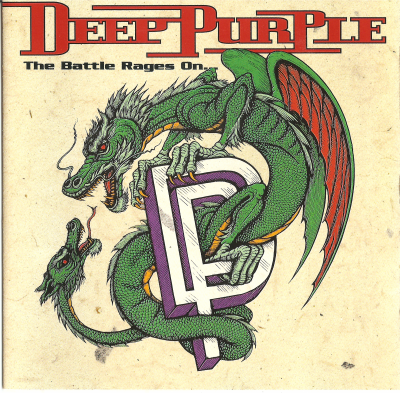
The line-upremained stable while the band recorded "The Battle Rages On" albumreleased in 1993, but Blackmore jumped ship once more during the tour thatfollowed. The tour was completed courtesy of US guitar whizzkid Joe Satriani. Contractual obligations however, meant his tenure could only be short-term andPurple hurriedly enlisted Steve Morse (ex-Kansas, Dixie Dregs, The Steve MorseBand, et al) (born 28 July 1954, Hamilton, Ohio) as his replacement to recordPurpendicular released early in 1996. Setting off on tour again, they took a fresh look at their 70s repertoire; tourhighlights were captured on the "Live at the Olympia" CD (1997) with forgottenfavorites jostling for position against new material from the "Purpendicular"set.
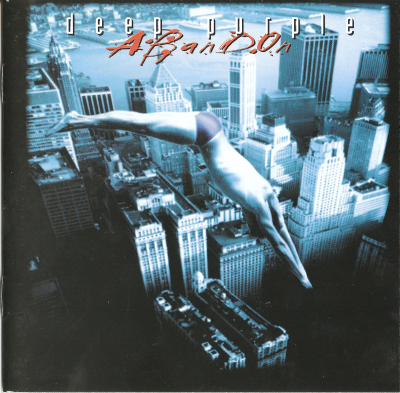
Suddenly they felt they could have fun again, and the concerts wereenlivened by dropping old faves like "Lazy" and "SpaceTruckin'" in favour of new material and songs from the back catalogue thathad seldom if ever been played (such as "Bloodsucker", "No OneCame" and "Rat Bat Blue"). 1998's "Abandon" album had all the classic rock attitude, nasty guitars, poundingdrums and driving bass to scratch that R.O.C.K. itch. The album included abrilliant reworking of "In Rock"'s "Bloodsucker" (retitled"Bludsucker") and the Floydish-style "Watching The Sky"amongst other driving rock tracks. In 1999 Deep Purple had a very successful tour of Australia and Europe. Jon Lord retired in 2002 and was replaced by journeyman keyboardist Don Airey.
This new line-up, which left Ian Paice as the only original member, released the stunning "Bananas" album in August 2003. Both a return-to-form and a look to the future, the "Bananas" album was well-accepted by the rock community at large. In 2012 Deep Purple will record and release a new album.
The Groove is music.nw’s own measure of renown — not an opinion, a fact computed from the record. It weighs reach (how many people engaged) against acclaim (how highly they rated it), balanced so a handful of votes can’t outshout a lasting favourite.
Computed the NeuraWeb way, across the whole record. The same yardstick for everyone — which is why the little-known can out-Groove the famous in their own corner.
How Deep Purple moved
Genre belongs to the record, not to the artist. Every album’s Groove is shared out across the genres it actually is — by how the raters tagged it — so nobody is 100% one thing. Stack that by decade and a career draws itself.
Discography

Credits
Ranked #207 of 14,615 producers — 2,952.04 career Groove across 18 records.