David Gilmour
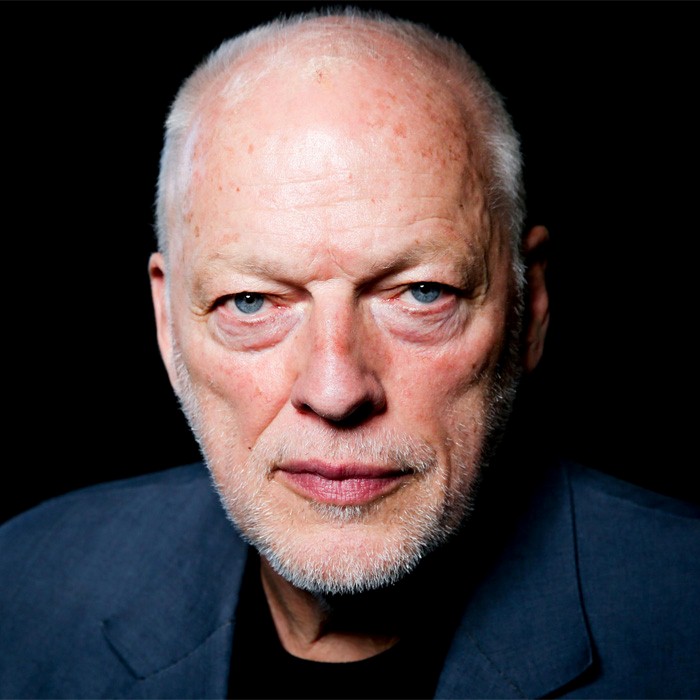
David Jon Gilmour, CBE (born 6 March 1946) is an English guitarist, singer and songwriter best known as a longtime member of the progressive rock band Pink Floyd. He joined the group as guitarist and co-lead vocalist in 1968, effectively as a replacement for founder member Syd Barrett, who was dismissed from the band shortly afterwards. Pink Floyd subsequently achieved international success with the concept albums The Dark Side of the Moon, Wish You Were Here, Animals, and The Wall. By the early 1980s, they had become one of the most critically acclaimed and best-selling acts in the history of popular music; it was estimated that by 2012 the band had sold over 250 million records worldwide, including 75 million units sold in the United States.
Following the departure of another founder member, Roger Waters, Gilmour assumed leadership of Pink Floyd in 1985. In addition to his work with Pink Floyd, Gilmour has produced a variety of artists, for example The Dream Academy, and has had a solo career which has included four studio albums: David Gilmour, About Face, On an Island, and Rattle That Lock. Gilmour was also responsible for bringing singer/songwriter Kate Bush to public attention. As a member of Pink Floyd, he was inducted into the US Rock and Roll Hall of Fame in 1996, and the UK Music Hall of Fame in 2005.
In 2005, Gilmour was made a Commander of the Order of the British Empire (CBE) for his services to music. He was awarded with the Outstanding Contribution title at the 2008 Q Awards. In 2011, Rolling Stone magazine ranked him number 14 in their list of the greatest guitarists of all time. Additionally, Gilmour was voted number 36 in the greatest voices in rock by Planet Rock listeners in 2009.
He has taken part in projects to promote international charities related to such subjects as animal rights, homelessness, poverty, environmentalism, wildlife conservation, human rights, and music therapy. He has married twice and is the father of eight children. Pink Floyd: In late December 1967, drummer Nick Mason approached Gilmour and asked him if he would be interested in joining Pink Floyd. He accepted and soon afterward became their fifth member; they initially intended to continue with Barrett as a non-performing songwriter.
One of the group's business partners, Peter Jenner, commented: "The idea was that Dave would... cover for Barrett's eccentricities and when that got to be not workable, Syd was just going to write. Just to try to keep him involved". By March 1968, working with Barrett had become too difficult, so Pink Floyd met with business partners Jenner and Andrew King to discuss the situation. During the meeting, Barrett agreed to leave the band and the others committed to moving on without him.
Waters later admitted: "He was our friend, but most of the time we now wanted to strangle him". Jenner and King, who believed Barrett to be the creative genius of the band, decided to represent him and end their partnership with Pink Floyd. After Barrett's departure, Gilmour sang much of Pink Floyd's lead vocals; Waters and keyboardist Richard Wright also occasionally sang lead. After the successes of The Dark Side of the Moon and Wish You Were Here, Waters took greater control of the band, writing and singing lead on most of Animals and The Wall.
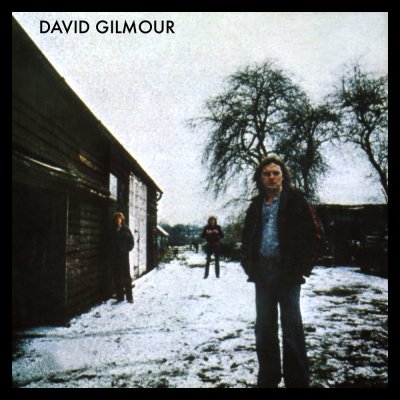
Wright was fired during the sessions for The Wall, and the relationship between Gilmour and Waters would further deteriorate during the making of the eponymous film, and later during recording sessions for The Final Cut. The last band performance of The Wall took place on 16 June 1981, at Earl's Court, London; it was Pink Floyd's last appearance with Waters until the band's reunion on 2 July 2005, at the Live 8 concert in London's Hyde Park, 24 years later. By the late 1970s, Gilmour began to think that his musical talents were being underused by Pink Floyd, so in 1978 he channelled his ideas into the eponymous solo album, David Gilmour, which showcased his guitar playing and songwriting skills. Music written during the finishing stages of the album, but too late to be used, was incorporated into a song by Waters, which became "Comfortably Numb", which was included on The Wall.
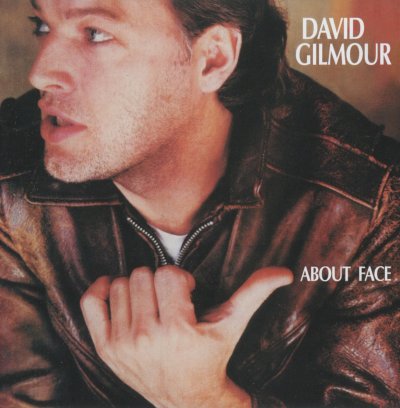
The negative atmosphere surrounding the creation of The Wall album and subsequent film, compounded by The Final Cut's virtually being a Roger Waters solo album, led Gilmour to produce his second solo album, About Face, in 1984. He used it to express his feelings about a range of topics, from the murder of John Lennon to his relationship with Waters. He has since admitted that he also used the album to distance himself from Pink Floyd. He toured Europe and the US along with support act the Television Personalities, who were promptly dropped from the line-up after Dan Treacy unwisely revealed Syd Barrett's address on stage.
Mason also made a guest appearance on the UK leg of the tour, which despite some cancellations eventually turned a profit. When he returned from touring, Gilmour played guitar with a range of artists, and also produced the Dream Academy, who had a US top ten hit with "Life in a Northern Town" in 1986. In 1985, Waters declared that Pink Floyd were "a spent force creatively". Gilmour and Mason responded with a press release stating that Waters had quit the band and they intended to continue without him.
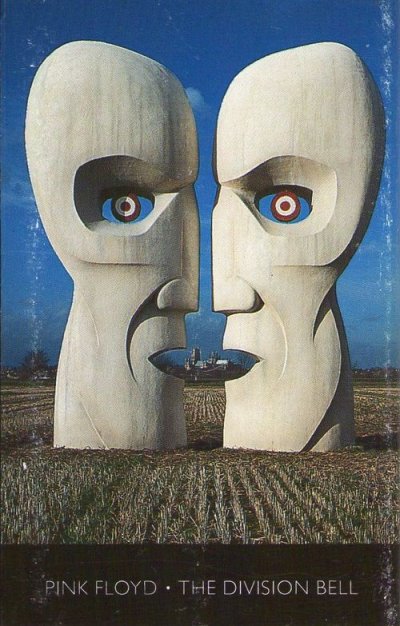
Gilmour assumed full control of the group and produced A Momentary Lapse of Reason in 1987, with some contributions from Mason and Richard Wright. Wright officially rejoined the band after the release of the album for a lengthy world tour and helped create 1994's The Division Bell. Gilmour explained: "I had a number of problems with the direction of the band in our recent past, before Roger left. I thought the songs were very wordy and that, because the specific meanings of those words were so important, the music became a mere vehicle for lyrics, and not a very inspiring one.
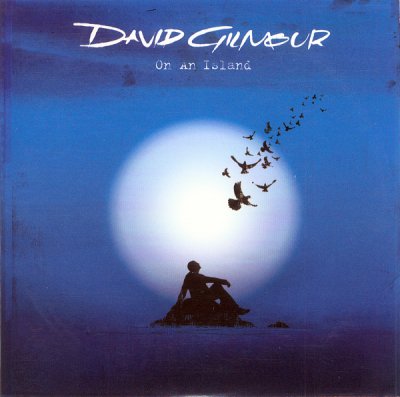
Dark Side of the Moon and Wish You Were Here were so successful not just because of Roger's contributions, but also because there was a better balance between the music and the lyrics than there has been in more recent albums. That's what I'm trying to do with A Momentary Lapse of Reason; more focus on the music, restore the balance. " In 1986, Gilmour purchased the houseboat Astoria, moored it on the River Thames near Hampton Court and transformed it into a recording studio. The majority of the two Pink Floyd albums released about this time, as well as Gilmour's 2006 solo release On an Island, were recorded there.
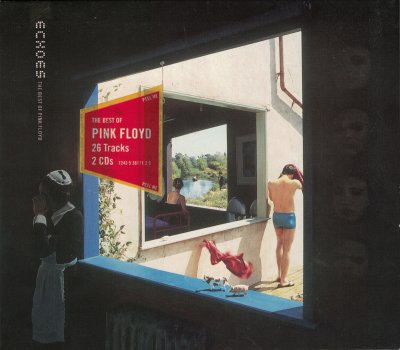
On 2 July 2005, Gilmour played with Pink Floyd—including Roger Waters—at Live 8. The performance caused a temporary sales increase of Pink Floyd's album Echoes: The Best of Pink Floyd. Gilmour donated all of his resulting profits to charities that reflect the goals of Live 8 saying: "Though the main objective has been to raise consciousness and put pressure on the G8 leaders, I will not profit from the concert. This is money that should be used to save lives.
" Shortly after, he called upon all artists experiencing a surge in sales from Live 8 performances to donate the extra revenue to Live 8 fund-raising. After the Live 8 concert, Pink Floyd were offered £150 million to tour the US, but the band turned down the offer. On 3 February 2006, he announced in an interview with the Italian newspaper La Repubblica that Pink Floyd would most likely never tour or write material together again. He said: "I think enough is enough.
I am 60 years old. I don't have the will to work as much any more. Pink Floyd was an important part in my life, I have had a wonderful time, but it's over. For me it's much less complicated to work alone.
" Regarding agreeing to play at Live 8, he said: "There was more than one reason, firstly to support the cause. The second one is the energy-consuming and uncomfortable relationship between Roger and me that I was carrying along in my heart. That is why we wanted to perform and to leave the trash behind. Thirdly, I might have regretted it if I declined.
" On 20 February 2006, Gilmour commented again on Pink Floyd's future when he was interviewed by Billboard.com, stating, "Who knows? I have no plans at all to do that. My plans are to do my concerts and put my solo record out. " In December 2006, Gilmour released a tribute to Syd Barrett, who had died on 7 July of that year, in the form of his own version of Pink Floyd's first single "Arnold Layne".
Recorded live at London's Royal Albert Hall, the single featured versions of the song performed by Richard Wright and special guest artist David Bowie. The single peaked on the UK Top 20 singles chart at number nineteen.
The Groove is music.nw’s own measure of renown — not an opinion, a fact computed from the record. It weighs reach (how many people engaged) against acclaim (how highly they rated it), balanced so a handful of votes can’t outshout a lasting favourite.
Computed the NeuraWeb way, across the whole record. The same yardstick for everyone — which is why the little-known can out-Groove the famous in their own corner.
How David Gilmour moved
Genre belongs to the record, not to the artist. Every album’s Groove is shared out across the genres it actually is — by how the raters tagged it — so nobody is 100% one thing. Stack that by decade and a career draws itself.
Discography
Credits
Ranked #300 of 14,615 producers — 2,436.04 career Groove across 30 records.