Culture
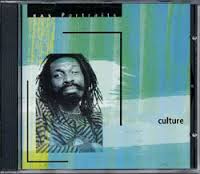
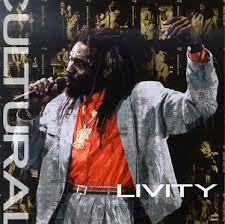
Vocal trio Culture helped define the sound and style of Rastafarian roots reggae, thanks largely to charismatic singer, songwriter, and leader Joseph Hill. True to their name, Culture's material was devoted almost exclusively to spiritual, social, and political messages, and Hill delivered them with a fervent intensity that grouped him with Rastafarian militants like Burning Spear and Black Uhuru. Their classic debut, Two Sevens Clash, is still considered a roots reggae landmark, and most of their other late-'70s output maintains a similarly high standard. After a hiatus, Culture returned in the mid-'80s with a lighter, more polished sound that drew from more eclectic musical sources. Yet the force of their message never softened, and they soldiered on into the new millennium.
Joseph Hill had been trying his hand at a solo career for some time before forming Culture. He first started out as a disc selector for various sound systems in his hometown of Linstead, in St. Catherine Parish. From there he joined a group called the Soul Defenders as a percussionist and part-time vocalist. the Soul Defenders worked at Clement "Coxsone" Dodd's legendary Studio One in 1971, cutting backing tracks for a variety of vocalists. Hill himself recorded several solo numbers during that time, including "Behold the Land" and "Take Me Girl," but nothing came of them. the Soul Defenders returned to St. Catherine to work the hotel lounge circuit in northern Jamaica, and Hill floated through several bands prior to forming Culture in 1976. His cousin Albert Walker came to him with the idea of forming a vocal group, and the two quickly recruited another cousin, Roy "Kenneth" Dayes, to sing harmony vocals along with Walker.
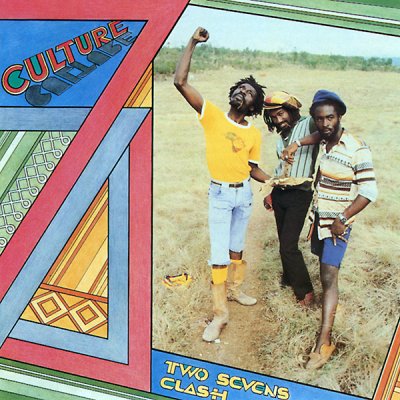
Initially calling themselves the African Disciples, the trio hooked up with producer Joe Gibbs in Kingston, and soon changed their name to Culture. Overseen by Gibbs and engineer Errol Thompson, aka the Mighty Two, they debuted with the single "This Time" on Gibbs' Belmont label. Not long after, they broke through with several hit singles, including "See Them a Come" and "Two Sevens Clash." The latter was a Rastafarian vision of the rapidly approaching apocalypse, which fueled public paranoia in an already violent election year; it also provided the title track of the group's debut album, which was released in 1977 to tremendous acclaim. Featuring other crucial tracks like "Get Ready to Ride the Lion to Zion" and "Natty Dread Take Over," Two Sevens Clash was a spiritual manifesto against racial injustice and poverty. It won a huge following not only in Jamaica, but also the U.K., where the growing punk rock movement was discovering a kinship with protest reggae, and connected immediately with the album's powerful disaffection.
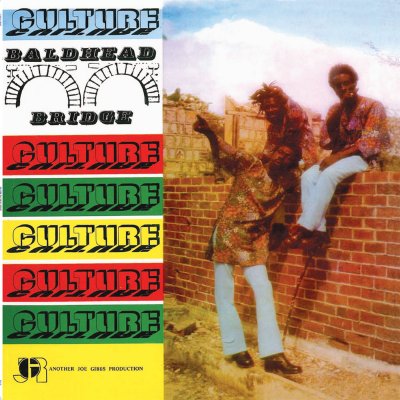
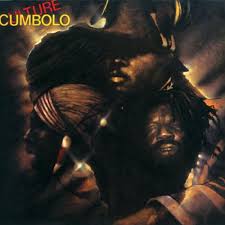
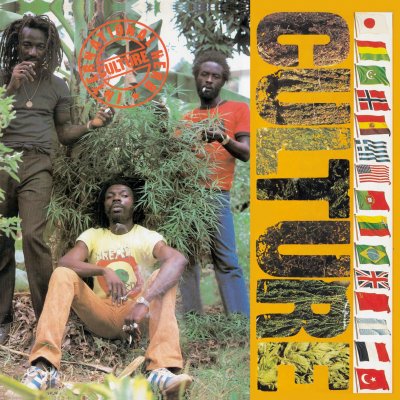
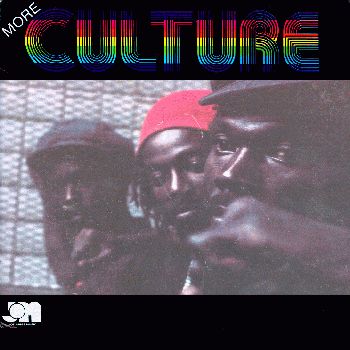
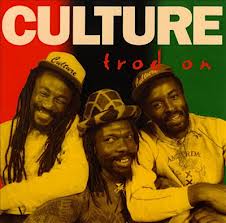
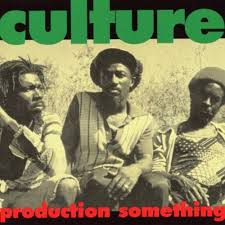
Unhappy with their financial dealings with Gibbs, Culture soon split for a brief and contentious stay at Duke Reid's Treasure Isle label, where they started (and never quite finished) a new album titled Africa Stand Alone; the results were eventually released as they were, without authorization. Meanwhile, Gibbs released leftovers from the Two Sevens Clash sessions on two more LPs, Baldhead Bridge (whose title song was a hit) and More Culture. By the end of 1977, Culture had already moved to Sonia Pottinger's High Note label, and recorded three excellent albums in quick succession: 1978's Harder Than the Rest and 1979's Cumbolo and International Herb. Additional material from the era was later compiled on Trod On and Production Something. Culture performed at the legendary One Love Peace Concert in 1978, and later toured heavily in the U.K. with backing band the Revolutionaries (which included the young Sly & Robbie).
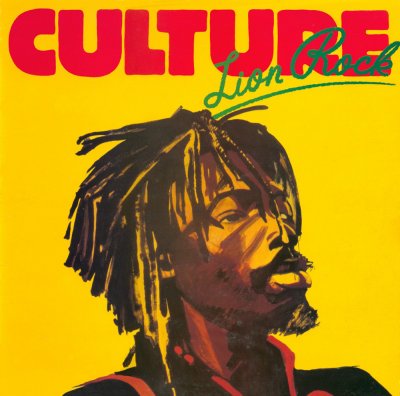
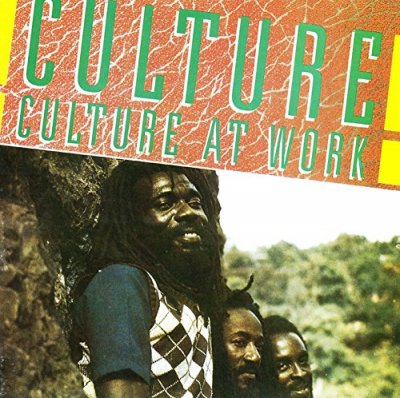
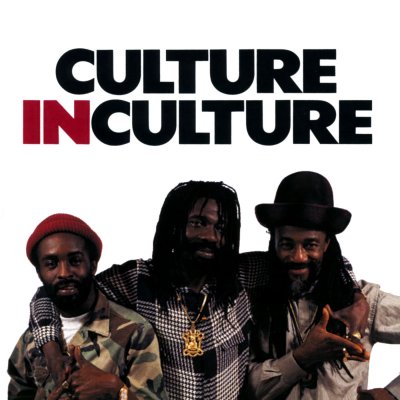
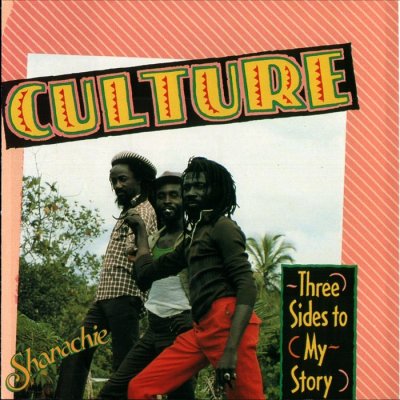
However, there would not be much more material forthcoming, at least for the time being. Culture split up in 1982, and Hill recorded what was essentially a solo album, Lion Rock, under the Culture name; Walker and Dayes, meanwhile, made a few recordings with producer Henry "Junjo" Lawes. The trio reunited in 1986, and quickly recorded two well-received comeback albums, Culture at Work and Culture in Culture, that year. They resumed touring as well, and kicked off another prolific and productive period with albums like 1988's Nuff Crisis (which featured the powerful protest "Crack in New York"), 1989's Good Things, 1991's dancehall-flavored Three Sides to My Story, and 1992's Wings of a Dove.
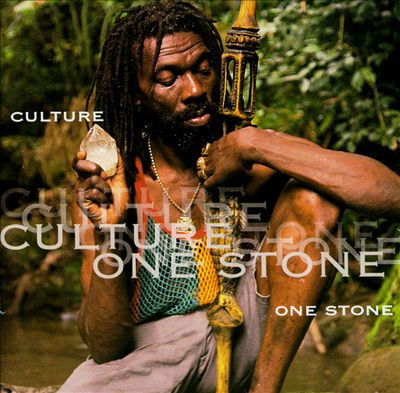
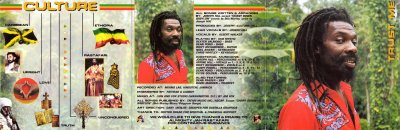
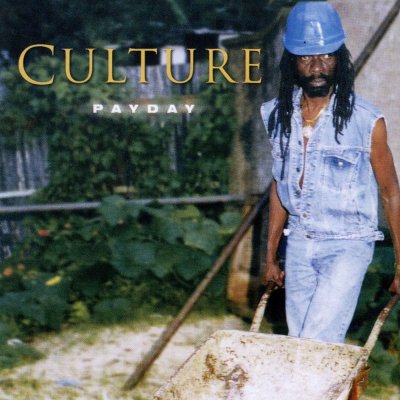
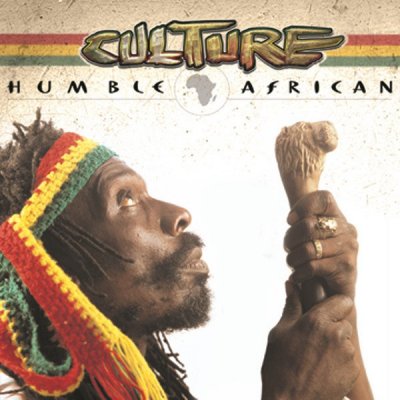
In 1993, Kenneth Dayes left the group to pursue a solo career, wanting to continue their earlier experimentation with dancehall. Culture was then touring with an independent backing band called Dub Mystic, and that group's lead singer, Ire'Lano Malomo, was pressed into service as the third vocalist in the trio. Malomo appeared on two studio albums, 1996's One Stone and 1997's Trust Me. He was replaced in 1999 by veteran singer Telford Nelson, who made his debut on 2000's Payday. Hill released another effective solo album, Humble African, in 2001, and Culture returned in 2003 with the acclaimed World Peace. On August 19, 2006, during a show in Berlin, Germany, Hill collapsed on-stage and passed away.
Discography