Bonga
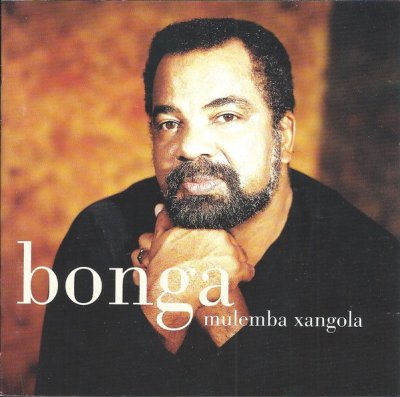
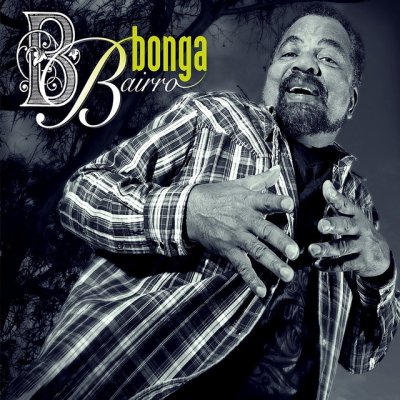
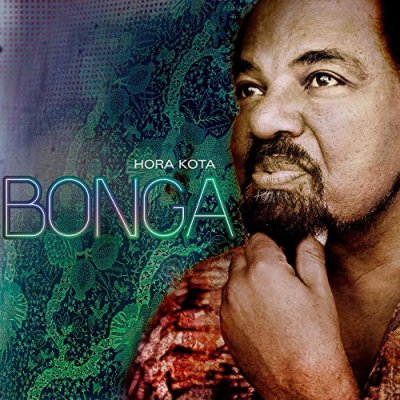
Bonga Kwenda (born José Adelino Barceló de Carvalho, 1943), better known as Bonga, is a folk and semba singer and songwriter from Angola.
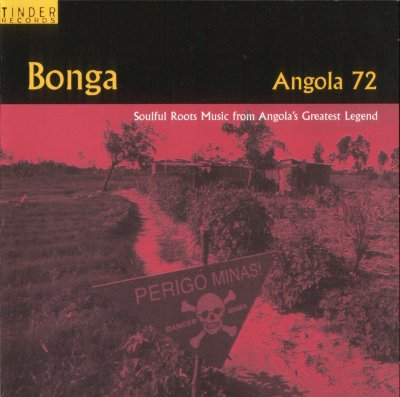
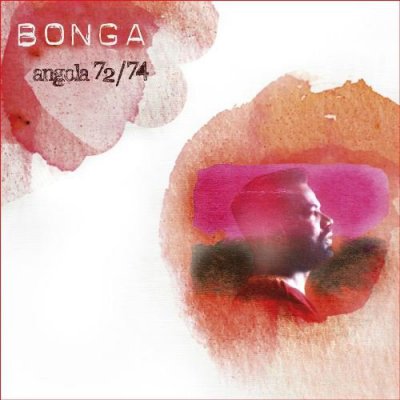
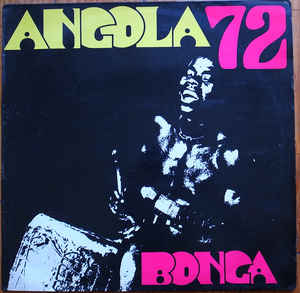
Biography: Bonga was born in the province of Bengo, and left Angola when he was 23 years old to become an athlete, becoming the Portuguese record holder for the 400 metres (Angola was at the time one of Portugal's five African colonies). He had already begun his singing career at the age of 15. Bonga abandoned athletics in 1972, concentrating solely on his music, and immediately became famous in his native Angola, as well as in Portugal. After the Carnation Revolution in April 1974, he would become a hit both with immigrants from the ex-Portuguese colonies, and Portuguese of both African and European descent. He has released over 30 albums, singing in Portuguese and traditional Angolan languages. His tracks are a mixture of Portuguese folk sounds, semba, kizomba and latin elements. While Angola was still a Portuguese colony, Bonga was an outspoken supporter of independence. This led him to be exiled from Angola in the early 1970s. At this time, Portugal was ruled by the authoritarian and conservative Estado Novo regime government, founded by Salazar. Bonga's status as a Portuguese star athlete allowed him the rare freedom of movement, which he used to carry messages between exiled pro-independence African fighters and compatriots still in Angola. As the movement for independence heated up, Bonga was forced into exile in Rotterdam, where, in 1972, he adopted the name Bonga Kwenda and recorded his first record, Angola 72. His iconic track "Mona Ki Ngi Xica", which would feature on the soundtrack of Cédric Klapisch's 1996 film When the Cat's Away (Chacun cherche son chat), was introduced on this album. A warrant for his arrest was issued in Angola for the seditious lyrics of the album, forcing him to move nomadically between Germany, Belgium and France until Angola's independence from Portugal in 1975, brought about by the events of the Carnation Revolution. While in Europe, Bonga met other Portuguese-speaking musicians and adapted the sounds of samba to his already diverse music style. After independence, the new Angolan government took Angola's best solo acts and founded and supported an orchestra called "Semba Tropical". The purpose was to revive the lost music industry, as described by a People's Republic of Angola ministry spokesman during the band's tour in Europe in the mid-1980s: "We had great problems because of the war for independence. When the Portuguese left they dismantled some of the basic structure by smashing and sabotaging equipment and we had to start from scratch. After independence there were no bands at all. Those which were formed were not active because they had no instruments." In good truth, the newly independent country, with good infrastructure for African standards at independence, and blessed with rich natural resources, was in fact badly mismanaged and plagued by corruption, failed central planning and multiethnic armed conflict for several decades after independence from Portugal. After Angola's independence Bonga established his main residence in Lisbon, and lived for some time in Paris and Angola. As post-colonial life in Angola disintegrated into corruption, squalor, brutality, and an interminable and bloody civil war, Bonga remained critical of the political leaders on all sides. Bonga's voice of peace and conscience continues to make him a hero to the people of Angola no matter where he resides. He remains fiercely dedicated to the ideal of nonviolence, he states simply: "We must live without harming others."
Awards: Bonga received the distinction of "Knight of the Order of Arts and Letters" by the French government. The honorable mention was delivered by the Ministry of Culture of France in a ceremony on December 10th in Angola.
Discography