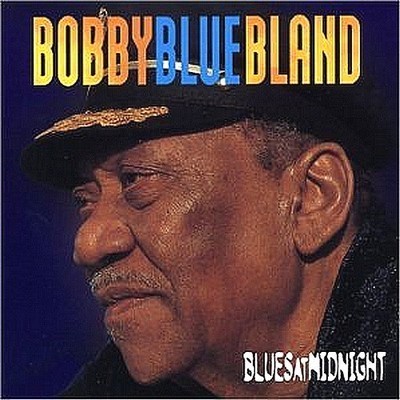
Bobby “Blue” Bland
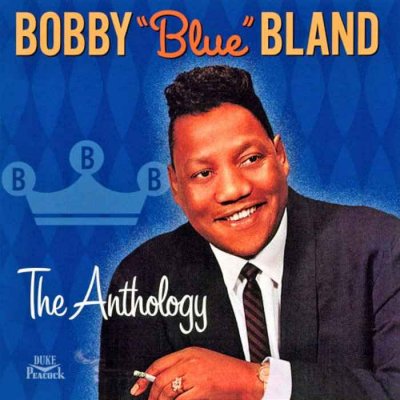
Robert Calvin "Bobby" Bland (January 27, 1930 - June 23, 2013), née Brooks, also known professionally as Bobby "Blue" Bland, was an American blues singer. Bland developed a sound that mixed gospel with the blues and R&B. He was described as "among the great storytellers of blues and soul music... who created tempestuous arias of love, betrayal and resignation, set against roiling, dramatic orchestrations, and left the listener drained but awed." He was sometimes referred to as the "Lion of the Blues" and as the "Sinatra of the Blues"; his music was also influenced by Nat King Cole. Bland was inducted into the Blues Hall of Fame in 1981, the Rock and Roll Hall of Fame in 1992, and received the Grammy Lifetime Achievement Award in 1997. The Rock and Roll Hall of Fame described him as "second in stature only to B.B. King as a product of Memphis's Beale Street blues scene".
Biography:
Early life: Bland was born Robert Calvin Brooks in the small town of Barretville, Tennessee. His father was I. J. Brooks, who abandoned the family not long after Robert's birth. Robert later acquired the name "Bland" from his stepfather, Leroy Bridgeforth, who was also called Leroy Bland. Bobby Bland never went to school, and remained illiterate throughout his life. After moving to Memphis with his mother in 1947, Bland started singing with local gospel groups there, including amongst others The Miniatures. Eager to expand his interests, he began frequenting the city's famous Beale Street where he became associated with an ad hoc circle of aspiring musicians including B.B. King, Rosco Gordon, Junior Parker and Johnny Ace, who collectively took the name of the Beale Streeters.
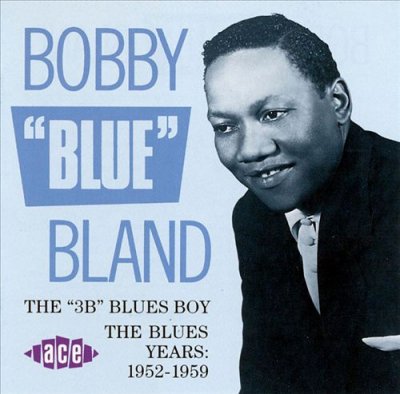
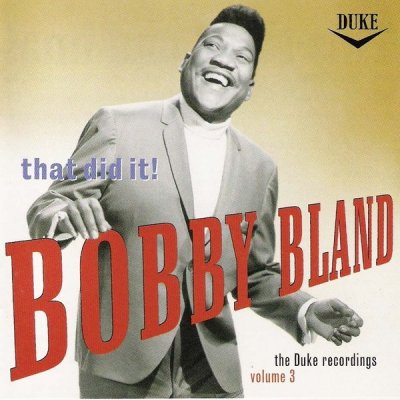
Early career: Between 1950 and 1952, he recorded unsuccessful singles for Modern Records and, at Ike Turner's suggestion, for Sun Records--who licensed their recordings to the Chess label--before signing for Duke Records. Bland's recordings from the early 1950s show him striving for individuality, but any progress was halted by a two-year spell in the U.S. Army, during which time he performed in a band with singer Eddie Fisher. When Bland returned to Memphis in 1954 he found several of his former associates, including Johnny Ace, enjoying considerable success. He joined Ace's revue, and returned to Duke Records, which by that time had started to be run by Houston entrepreneur Don Robey. According to biographer Charles Farley, "Robey handed Bobby a new contract, which Bobby could not read, and helped Bobby sign his name on it". The deal gave Bland just half a cent per record sold, instead of the industry standard of 2 cents. Bland released his first single for Duke in 1955. In 1956 he began touring on the "chitlin' circuit" with Junior Parker in a revue called Blues Consolidated, initially doubling as Parker's valet and driver, roles he also reportedly fulfilled for B.B. King and Rosco Gordon. He began recording for Duke with bandleader Bill Harvey and arranger Joe Scott, asserting his characteristic vocal style and, with Harvey and Scott, beginning to craft the melodic big band blues singles for which he became famous, often accompanied by guitarist Wayne Bennett. Unlike many blues musicians, Bland played no instrument.
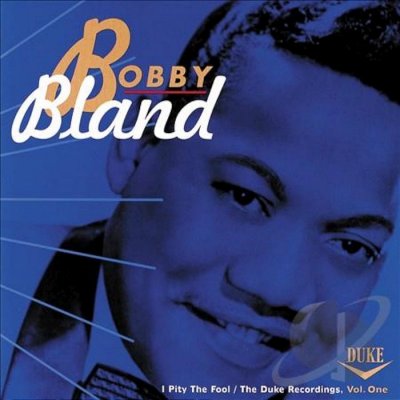
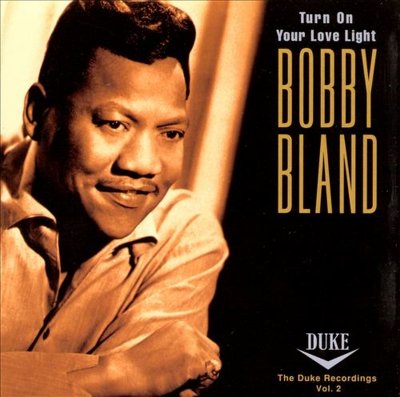
Commercial success: His first chart success came in 1957 with the R&B chart no. 1 hit "Farther Up the Road", which also reached no.43 on the Billboard Hot 100, and followed it up with a series of hits on the R&B chart including "Little Boy Blue" (1958). He also shared an album with Parker, Blues Consolidated, in 1958. Bland's craft was most clearly heard on a series of early 1960s releases including "Cry Cry Cry", "I Pity The Fool"--an R&B chart no.1 in 1961--and "Turn On Your Love Light", which became a much-covered standard. Despite credits to the contrary--often claimed by Robey--many such classic works were written by Joe Scott. Bland also recorded a hit version of T-Bone Walker's "Call It Stormy Monday (But Tuesday Is Just as Bad)", which was wrongly given the title of a different song, "Stormy Monday Blues". His final R&B No.1 came with "That's The Way Love Is" in 1963. However, he continued to enjoy a consistent run of R&B chart entries throughout the mid-1960s. Never truly breaking into the mainstream market, Bland's highest charting song on the pop chart, "Ain't Nothing You Can Do" peaked at #20 in the same week in 1964 that the Beatles held down the top five spots. Bland's records mostly sold on the R&B market rather than achieving crossover success. He had 23 Top Ten hits on the Billboard R&B charts, and in the 1996 Top R&B book by Joel Whitburn, Bland was ranked the #13 all-time top charting artist.
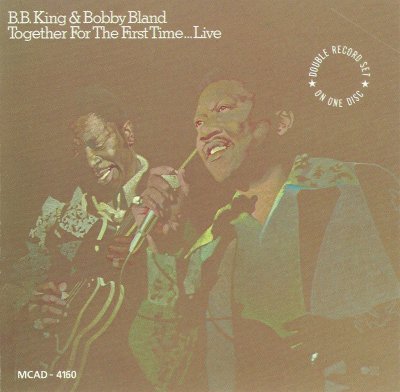
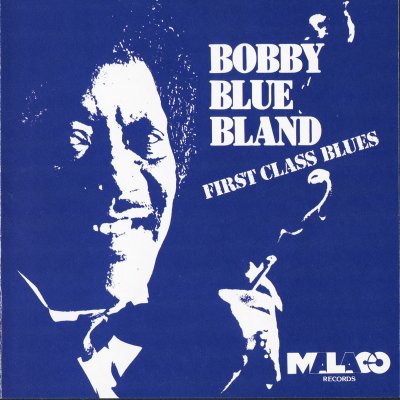
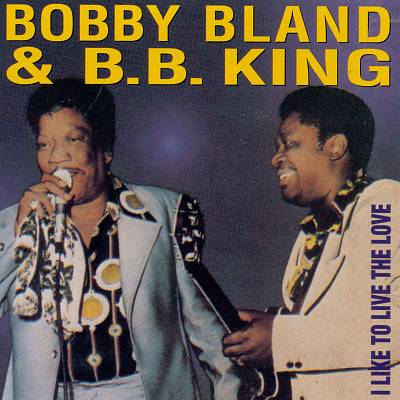
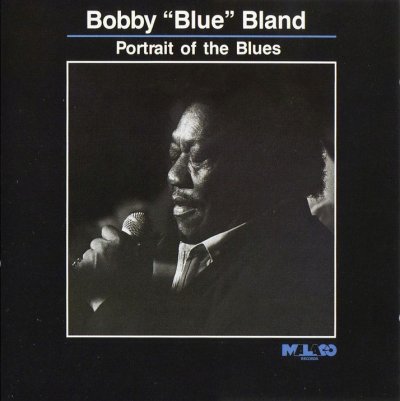
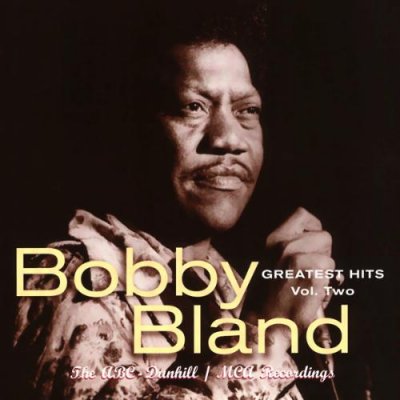
Later career: Financial pressures forced the singer to cut his touring band and in 1968 the group broke up. He suffered from depression and became increasingly dependent on alcohol, but stopped drinking in 1971. His record company Duke Records was sold by owner Don Robey to the larger ABC Records group. This resulted in several successful and critically acclaimed contemporary blues/soul albums including His California Album and Dreamer, arranged by Michael Omartian and produced by ABC staff man Steve Barri. The albums, including the later "follow-up" in 1977 Reflections in Blue, were all recorded in Los Angeles and featured many of the city's top session musicians at the time. The first single released from His California Album, "This Time I'm Gone For Good" took Bland back into the pop Top 50 for the first time since 1964 and made the R&B top 10 in late 1973. The lead-off track from Dreamer, "Ain't No Love In the Heart of the City", was a strong R&B hit. Later it would surface again in 1978 by the hard rock band Whitesnake featuring singer David Coverdale. Much later it was sampled by Kanye West on Jay-Z's hip hop album The Blueprint (2001). The song is also featured on the soundtrack of the crime drama The Lincoln Lawyer (2011) starring Matthew McConaughey. The follow-up, "I Wouldn't Treat A Dog" was his biggest R&B hit for some years, climbing to #3 in late 1974, but as usual his strength was never the pop chart (where it hit #88). Subsequent attempts at adding a disco/Barry White flavor were mostly unsuccessful. A return to his roots in 1980 for a tribute album to his mentor Joe Scott, produced by music veterans Monk Higgins and Al Bell, resulted in the album Sweet Vibrations, but it failed to sell well outside of his traditional "chitlin circuit" base. In 1985, Bland was signed by Malaco Records, specialists in traditional Southern black music for whom he made a series of albums while continuing to tour and appear at concerts with fellow blues singer B. B. King. The two had collaborated for two albums in the 1970s. Despite occasional age-related ill health, Bland continued to record new albums for Malaco and perform occasional tours alone, with guitarist/producer Angelo Earl and also with B.B. King, plus appearances at blues and soul festivals worldwide. Bland was inducted into the Rock and Roll Hall of Fame in 1992. The Rock and Roll Hall of Fame described him as "second in stature only to B. B. King as a product of Memphis's Beale Street blues scene".
Collaborations and tributes: The Irish singer-songwriter Van Morrison was an early adherent of Bland, covering "Turn On Your Love Light" while with the band Them (he later covered "Ain't Nothing You Can't Do" on his 1974 live album It's Too Late to Stop Now) and has on occasion had Bland as a guest singer at his concerts. He also included a previously unreleased version of a March 2000 duet of Morrison and Bland singing "Tupelo Honey" on his 2007 compilation album, The Best of Van Morrison Volume 3. In 2008 the British singer and lead vocalist of Simply Red, Mick Hucknall, released an album, Tribute to Bobby, containing songs associated with Bland. The album reached 18 in the UK Albums Chart.
Death: Bland continued performing until shortly before his death. He died on June 23, 2013, at his home in Germantown, Tennessee, a suburb of Memphis, after what family members described as "an ongoing illness". He was 83. After his death, his son told news media that Bland had recently told his son (Rodd) that musician James Cotton was his half-brother.
Discography
Credits