Bob Daisley
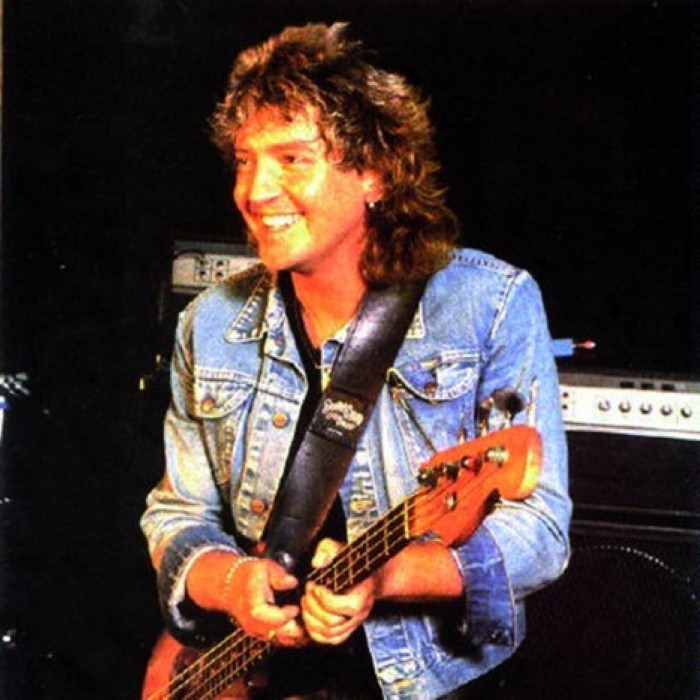
Robert John "Bob" Daisley (born 13 February 1950) is an Australian musician and author. A bassist and songwriter, he has performed with numerous acts since the 1970s, most notably Rainbow, Ozzy Osbourne, Gary Moore and Uriah Heep.
Daisley began playing guitar at age 13 and went on to bass at 14. His rapid progress won him local acclaim especially through his work with guitarist Dennis Wilson with The Powerpact and Mecca; their only single release "Black Sally" became an underground hit and was copied by Human Instinct on their Stoned Guitar album. Daisley and Wilson then formed Kahvas Jute with Tamam Shud members Tim Gaze and Dannie Davidson. They released one album, Wide Open, on Infinity Records in 1971.
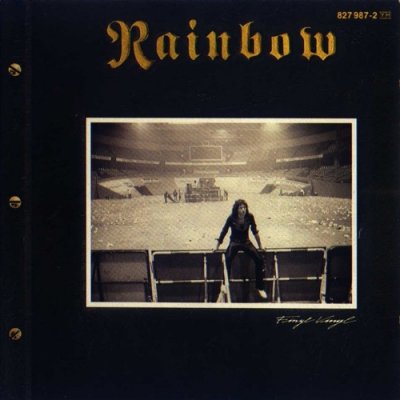
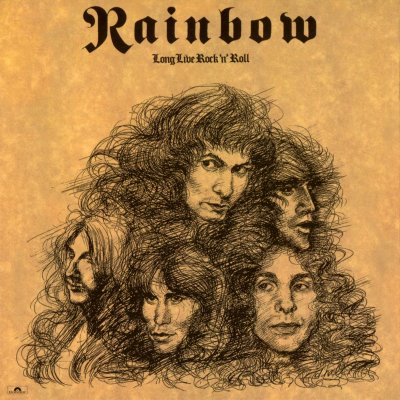
Daisley came to international notice as a bass player and member of the English blues band Chicken Shack in 1972, before going on to play with Mungo Jerry in 1973 and on their 1974 album Long-Legged Woman Dressed in Black. After this he co-formed Widowmaker, contributing to two albums — 1975's self-titled debut and Too Late to Cry in 1977. The same year he joined Ritchie Blackmore's band Rainbow and later played on tracks of the Long Live Rock 'N' Roll album. He remained with Rainbow until 1979 when he was replaced by Blackmore's ex-Deep Purple bandmate Roger Glover.
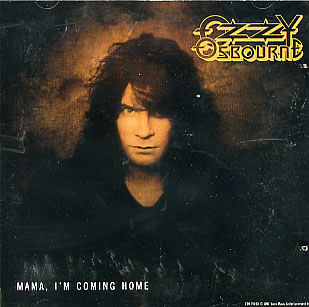
In October 1979, Daisley met Ozzy Osbourne at a venue called the Music Machine in Camden Town, and Osbourne soon suggested they form a band with former Quiet Riot guitarist Randy Rhoads, whom Osbourne had recently met in Los Angeles. The trio hired drummer Lee Kerslake and settled on the band name The Blizzard of Ozz, though a record company billed the act simply as "Ozzy Osbourne".
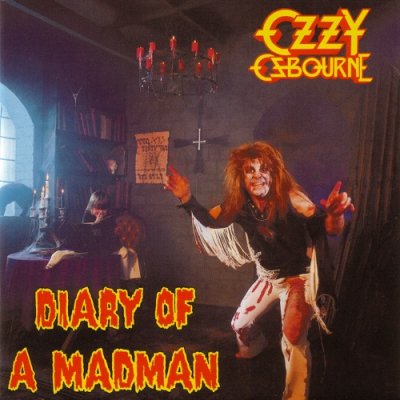
Daisley contributed bass and backing vocals as well as songwriting and co-production on the group's first album, Blizzard Of Ozz, and co-wrote much of the material on the follow-up album Diary of a Madman but both he and drummer Lee Kerslake were fired before the album was released. Rudy Sarzo and Tommy Aldridge appeared in their place in the artwork and credits of that album. Daisley and Kerslake successfully sued Jet Records and Don Arden in 1986 for performance royalties and to have their performance credits added to Diary of a Madman. Litigation with regards to these albums continued in 1998 when Daisley and Kerslake sued the Osbournes (who unknown to Daisley and Kerslake had purchased the early albums' publishing rights) for unpaid performance royalties and accreditation. However, the Osbourne management responded to this by deleting the original recordings and re-issuing new CD versions with the bass and drum tracks re-recorded by Robert Trujillo and Mike Bordin in 2002. In 2003, Daisley and Kerslake's lawsuit was dismissed by the United States District Court in Los Angeles. This dismissal was upheld by the United States Court of Appeals for the Ninth Circuit.
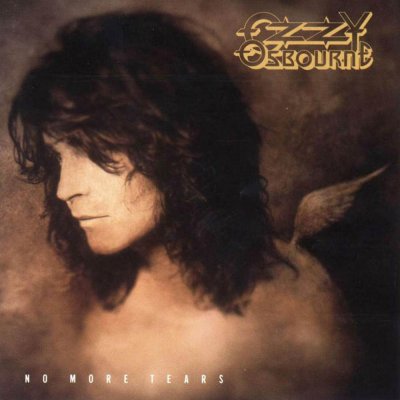
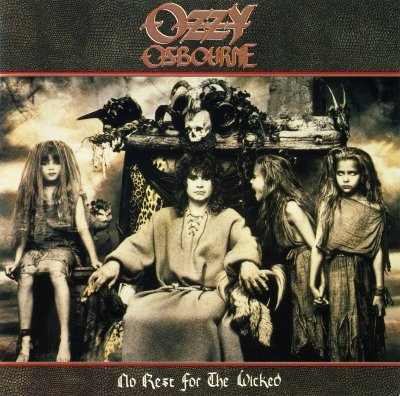
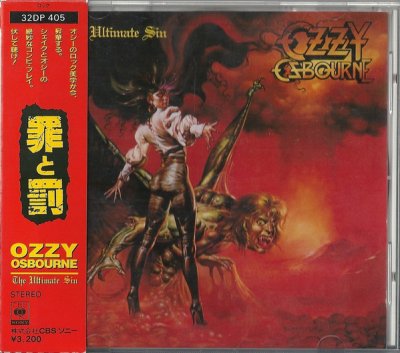
Daisley continued to write and record for Osbourne throughout the 1980s, playing on and/or writing for Bark at the Moon (1983), The Ultimate Sin (1986), and No Rest for the Wicked (1988). He maintained his working relationship with the Osbournes up until 1991's No More Tears album, which featured his bass playing on all tracks. Mike Inez (who later joined Alice in Chains) appeared in the album's promotional videos.
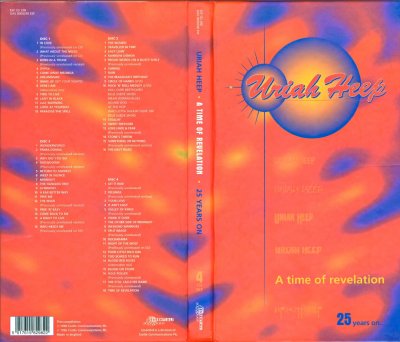
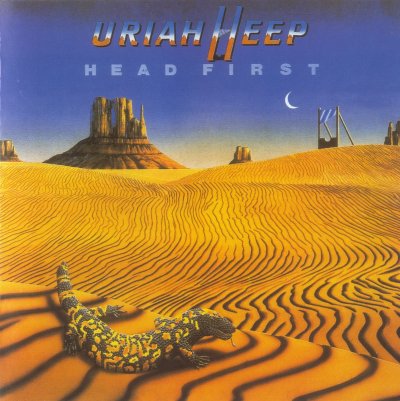
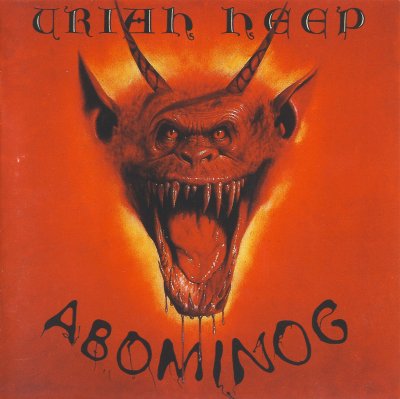
After leaving Osbourne's band the first time, Daisley joined the reformed Uriah Heep in 1981 alongside Kerslake and remained with them until the following year, recording two albums, Abominog and Head First, both of which helped to rekindle some interest in the band.
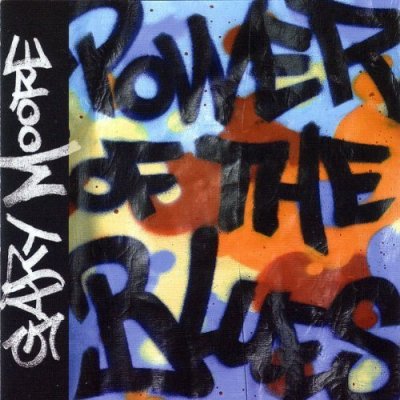
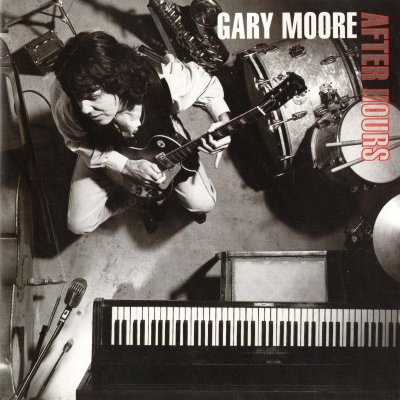
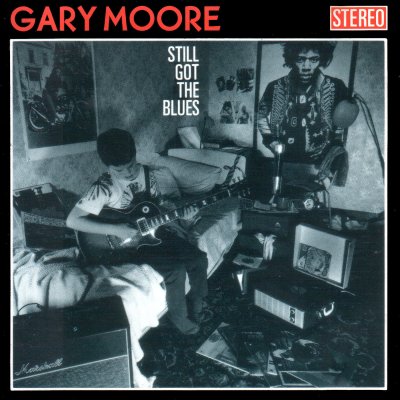
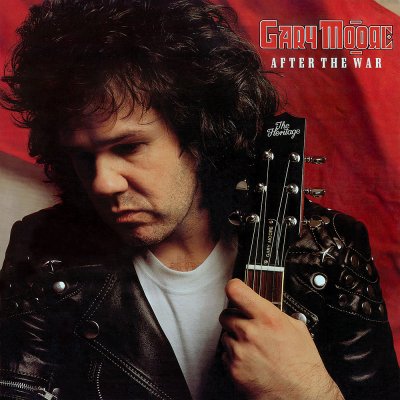
During his on-off involvement with Osbourne, Daisley also recorded many albums with Gary Moore and toured extensively with him.
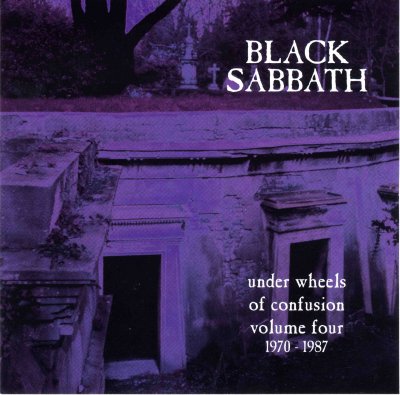
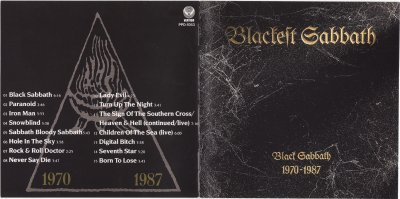
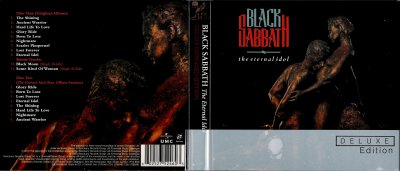
In 1986 he was approached by producer Jeff Glixman to play on the Black Sabbath album The Eternal Idol as the band's actual bass player Dave Spitz had personal commitments to attend to. However, Spitz was credited on the final release along with Daisley. Daisley was offered the bassist's spot in Black Sabbath but turned it down due to his commitment to Moore. He continued to work with Gary Moore from time to time until the guitarist's death in 2011.
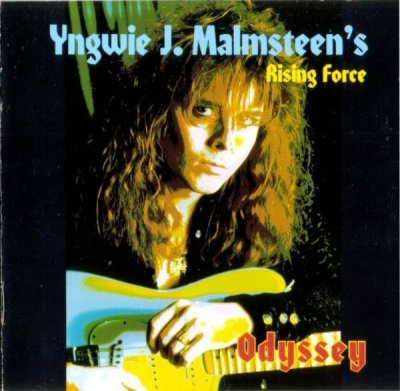
Since the 1980s, Daisley has contributed to a wealth of recordings as bassist, lyricist and producer, including albums by Yngwie Malmsteen, Takara, Bill Ward, Black Sabbath and Jeff Watson of Night Ranger. Daisley and Watson teamed up again and formed Mother's Army with vocalist Joe Lynn Turner and drummer Carmine Appice. In 2003, following his second and unsuccessful suit against Ozzy Osbourne, he teamed up with Lee Kerslake, Steve Morse of Deep Purple and Australian rock singer Jimmy Barnes to record an album under the name Living Loud. Six of the album's eleven tracks were covers from Blizzard of Ozz and Diary of a Madman. Don Airey played keyboards on the Living Loud album. On 7 February 2003 Daisley recorded a live show at The Basement in Sydney with Australian blues band The Hoochie Coochie Men, for a live DVD and CD release. Featured were former Deep Purple organist Jon Lord and Jimmy Barnes. In 2007, The Hoochie Coochie Men released the studio album Danger: White Men Dancing, also featuring Jon Lord.
Discography
Credits
Ranked #10,099 of 14,615 producers — 92.01 career Groove across 6 records.