Bijelo dugme
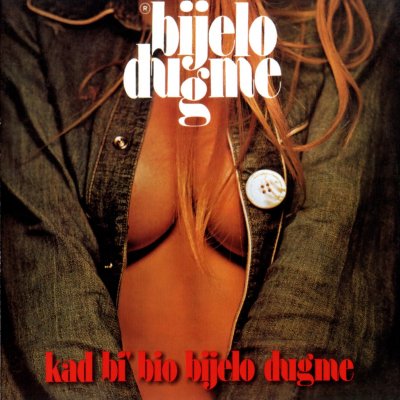
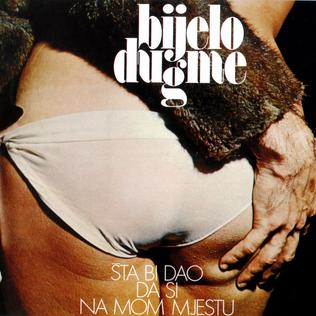
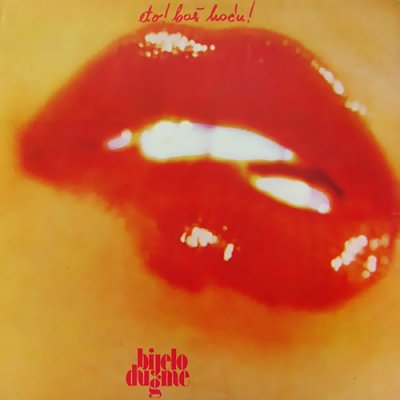
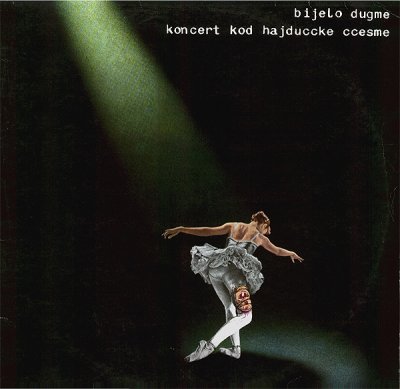
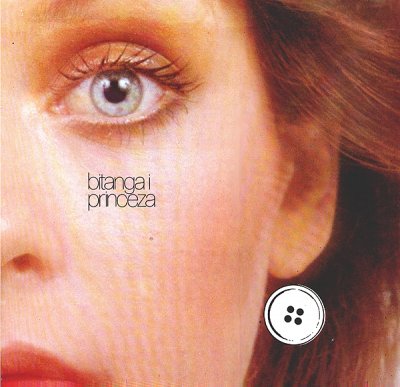
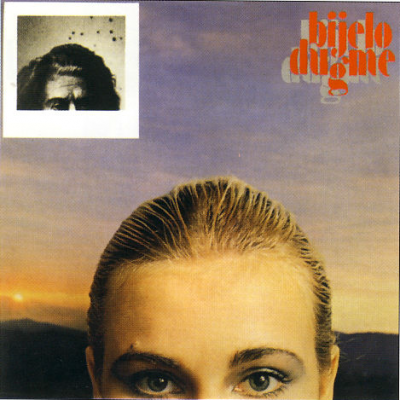
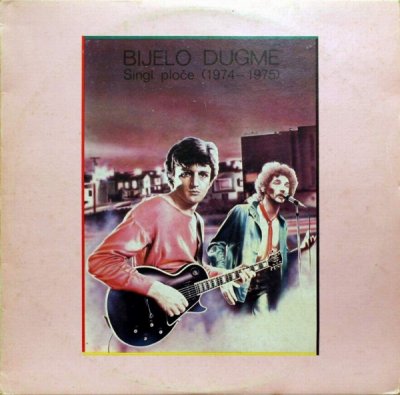
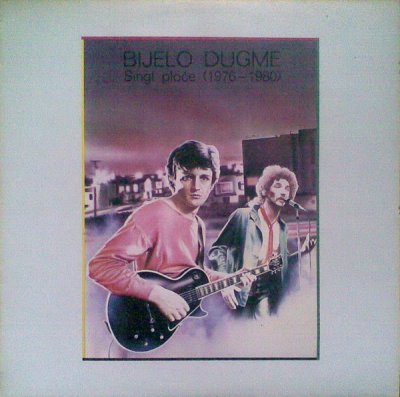
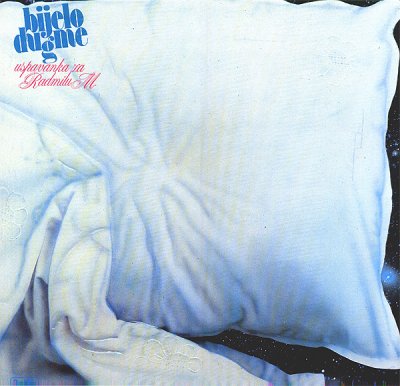
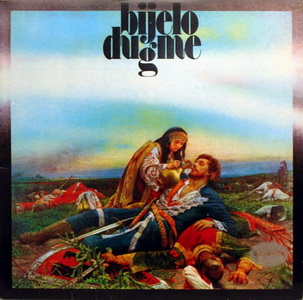
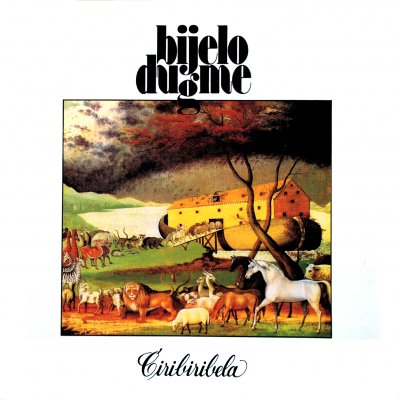
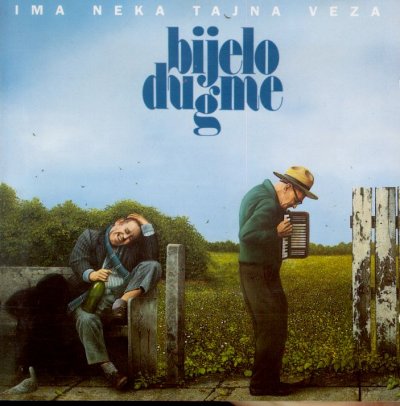
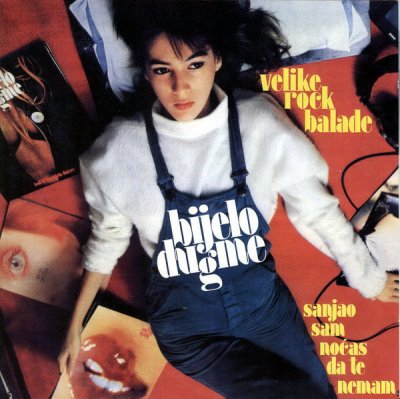
Bijelo Dugme ("White Button") were a highly influential rock band from Sarajevo, Bosnia and Herzegovina, in former Yugoslavia. Active between 1974 and 1989, they were considered the most popular band ever to exist in the former Yugoslavia. The founder of the band was Goran Bregović, who spent much of his childhood in a Musical School for violin players, from which he was expelled for "lack of talent". Soon after his expulsion, his mother bought him a guitar, and thus, Bijelo Dugme was born. Goran Bregović often admitted that his main motivation for forming the band was because "women were more receptive to musicians". Bregović was the band's sole composer and wrote most of the lyrics, although some of the most popular Bijelo dugme songs weren't written by Bregović, for example: Ima neka tajna veza, Glavni junak jedne knjige, Šta bi dao da si na mom mjestu, Pristao sam biću sve što hoće were written by Duško Trifunović, Da sam pekar, Selma were written by Vlado Dijak, Loše vino by Arsen Dedić etc. After recruiting the band's first line up, Bijelo dugme under the name Jutro (translation: "Morning") were turned down by Sarajevo based record company Diskoton, but were offered to record a single for another record company, Jugoton. The first single was named Kad bi' bio bijelo dugme (translation: "If I were a white button"). After the single was released, Bregović was convinced by the band's manager to change the band's name to Bijelo dugme. With charismatic vocalist Željko Bebek, the band soon reached stardom in the former Yugoslavia, as one newspaper put it, they sold more albums than there were record players in Yugoslavia. The pinnacle of the band's career was 1979's Bitanga i Princeza, the album is often heralded as their most mature with vocalist Zeljko Bebek. They were often referred to as the Yugoslav Beatles. The turn of the decade brought the rise of numerous new wave artists, including Azra, and Bijelo dugme soon found their popularity sinking, to which they reacted by reinventing themselves for their 1980 release Doživjeti Stotu, featuring a much more new wave oriented sound. 1984 brought the departure of Željko Bebek to pursue a solo career and Mladen Vojičić - Tifa was recruited to replace him for their 1984 self-titled release. He was booted from the band because of inner conflicts and was replaced by Alen Islamović, formerly vocalist of the heavy metal band Divlje jagode for their last two, folk-inspired records. The band disbanded in 1989 after Alen Islamović checked into a hospital for chest pains during their last tour, without telling anyone he was ill. The real reasons have never been elaborated, but most people suspect the dissolution of Yugoslavia caused the breakup of the band, because the band was often seen as a symbol of unity among the peoples of Yugoslavia. Some of Bijelo dugme's the most popular songs are: Lipe cvatu, Đurđevdan, Ipak poželim neko pismo, Ima neka tajna veza, Pristao sam biću sve što hoće, Selma, Loše vino, Jer kad ostariš, Lažeš, Kad zaboraviš juli, Hajdemo u planine, Bitanga i princeza, Pljuni i zapjevaj moja Jugoslavijo, Sanjao sam noćas da te nemam, Te noći kad umrem, Nakon svih ovih godina... The band reunited for three concerts in Sarajevo, Zagreb and Belgrade in 2005 with all three vocalists, but without drummer Goran "Ipe" Ivandić who committed suicide in Belgrade, Serbia in 1994. Legacy Bijelo dugme laid the groundwork for the Yugoslav rock scene, and the epitome for the Sarajevo school of pop rock. inspiring many artists from different musical generes, including Severina, Prljavo kazalište, Leteći odred and so forth. Even more rigid, critical musicians such as Pips, Chips & Videoclips vocalist Ripper have said that Bijelo dugme was a part of their childhood. In the 2003 rock documentary Sretno dijete, the guitarist and lead songwriter for Prljavo kazalište said that "whatever Bijelo dugme did, everyone else did". They still enjoy a huge fanbase; their 2005 concerts in Sarajevo (Koševo stadium) and Zagreb (Maksimir stadium) sold out within hours. Their 2005 concert in Belgrade at the hippodrome drew more than 180,000 fans, while more than 20,000 fans stayed outside of hippodrome. Members * Željko Bebek - vocals, bass guitar (1974 - 1984) * Goran Bregović - guitar (1974 - 1989) * Alen Islamović - vocals (1986 - 1989) * Goran "Ipe" Ivandić - drums (1974 - 1976, 1977 - 1978, 1982 - 1989) * Dragan "Điđi" Jankelić - drums (1978 - 1982) * Sanin Karić - bass guitar (1977) * Vlado Pravdić - keyboards (1974 - 1976, 1978 - 1987) * Ljubiša Racić - bass guitar (1975 - 1977) * Zoran Redžić - bass guitar (1974 - 1975, 1977 - 1989) * Laza Ristovski - keyboards (1976 - 1978, 1985 - 1989) * Mladen "Tifa" Vojičić - vocals (1984 - 1985) * Milić Vukašinović - drums (1976) Group commonly had substitutions for rhythm section members as they served in the army. Years active: From 1974 to 1989 Albums Studio albums 1. Kad bi' bio bijelo dugme - 1974 2. Šta bi dao da si na mom mjestu - 1975 3. Eto! Baš hoću! - 1976 4. Bitanga i princeza - 1979 5. Doživjeti stotu - 1980 6. Uspavanka za Radmilu M. - 1983 7. Kosovka Djevojka - 1984 8. Pljuni i zapjevaj moja Jugoslavijo - 1986 9. Ćiribiribela - 1988 Live albums 1. Koncert kod Hajdučke česme - 1977 2. 5. april '81 - 1981 3. Mramor kamen i Željezo - 1987 4. Turneja 2005 - Sarajevo, Zagreb, Beograd - 2005
Discography