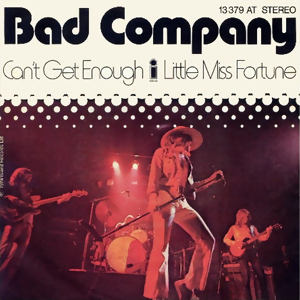
Bad Company
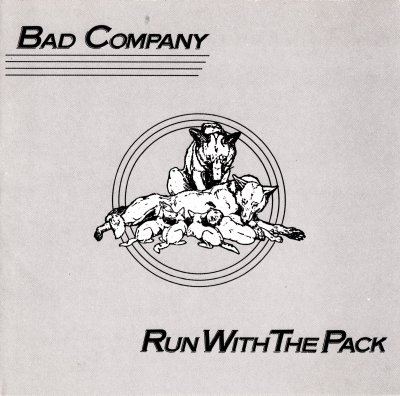
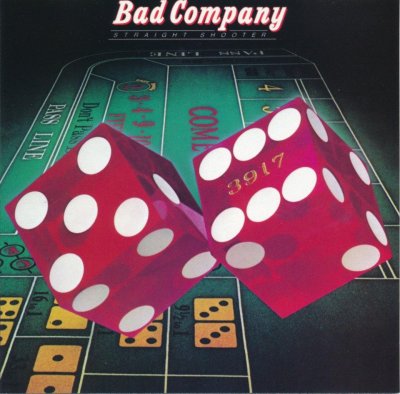
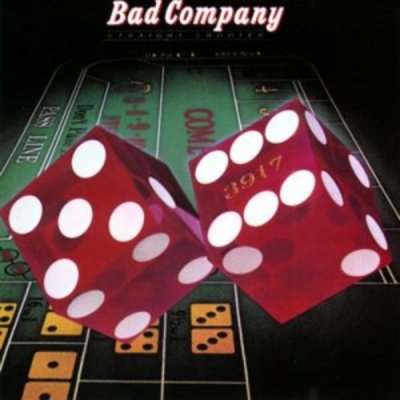
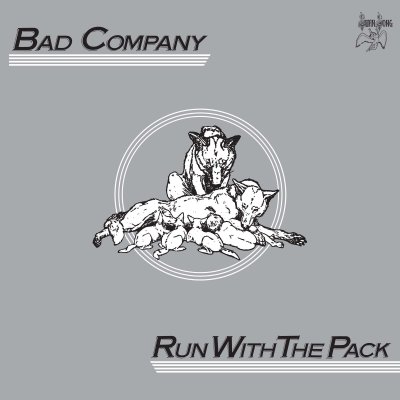
Formed in 1973, the British hard rock outfit Bad Company was a supergroup comprised of ex-King Crimson bassist Boz Burrell, former Mott the Hoople guitarist Mick Ralphs, and singer Paul Rodgers and drummer Simon Kirke, both previous members of Free. Powered by Rodgers' muscular vocals and Ralphs' blues-based guitar work, Bad Company was the first group signed to Led Zeppelin's Swan Song vanity label. Bad Company's eponymous 1974 debut was an international hit, topping the U.S. album charts and scoring with the number one single "Can't Get Enough of Your Love. " Straight Shooter, issued the following year, was another major success, notching the hit "Feel Like Makin' Love, " while 1976's Run With the Pack was Bad Company's third consecutive million-selling record.
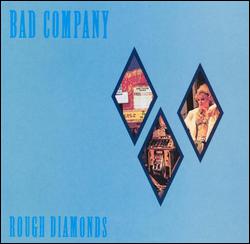
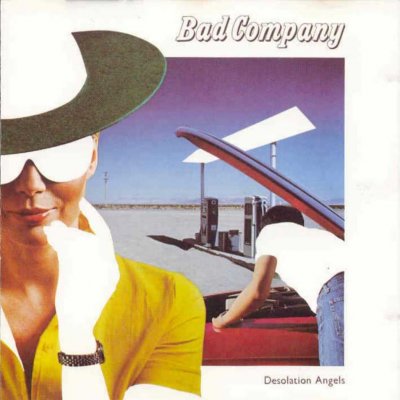
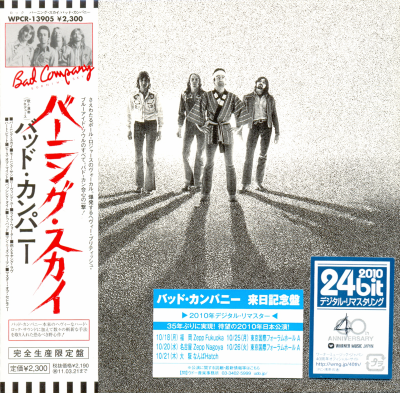
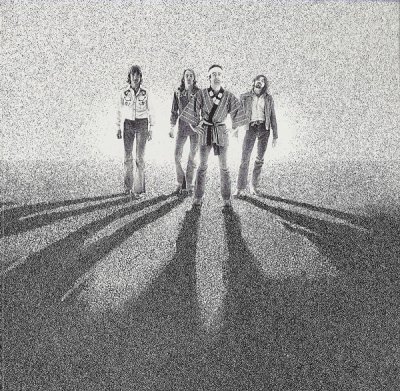
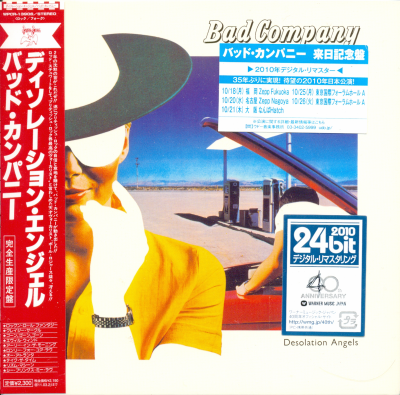
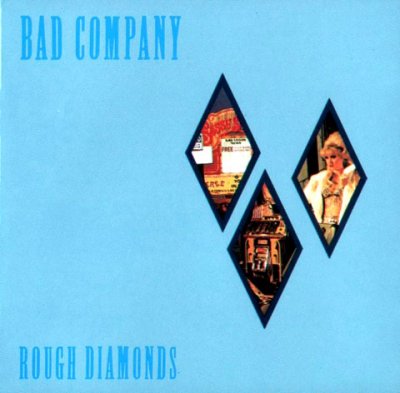
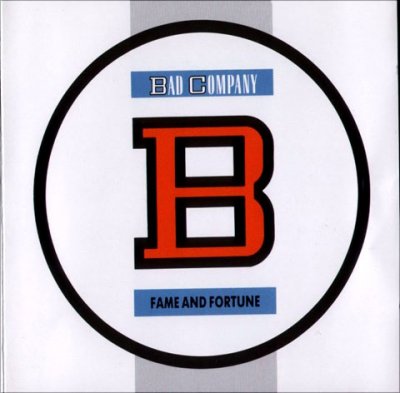
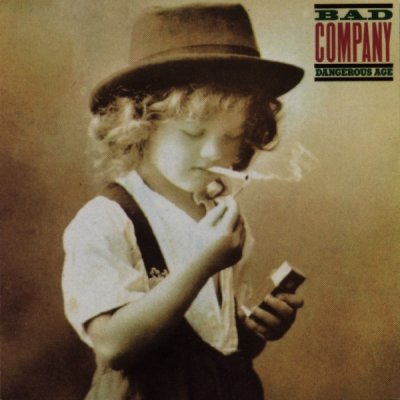
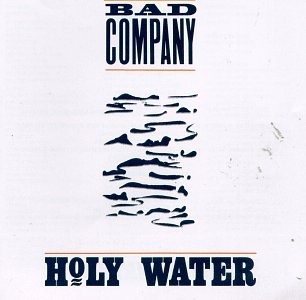
After 1977's Burnin' Sky, Bad Company recorded 1979's Desolation Angels, which embellished the group's sound with synthesizers and strings; a three-year hiatus followed before the release of Rough Diamonds, the group's final LP in its original incarnation. In 1986, Ralphs and Kirke resurrected the Bad Company name, enlisting former Ted Nugent vocalist Brian Howe to replace Rodgers. The reconfigured unit's debut, Fame & Fortune, was a commercial failure, but 1988's Dangerous Age became a minor hit. Released in 1990, Holy Water fared even better, as the power ballad "If You Needed Somebody" became a Top 20 success.
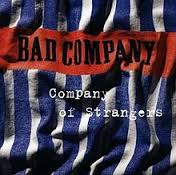
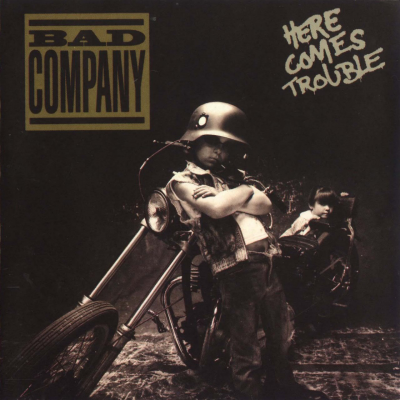
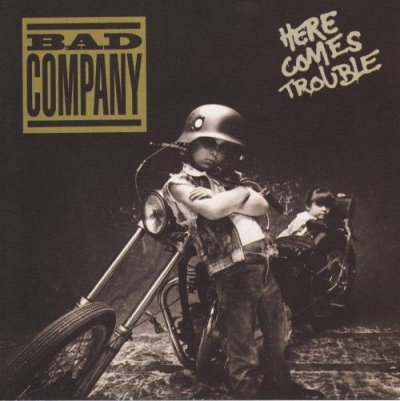
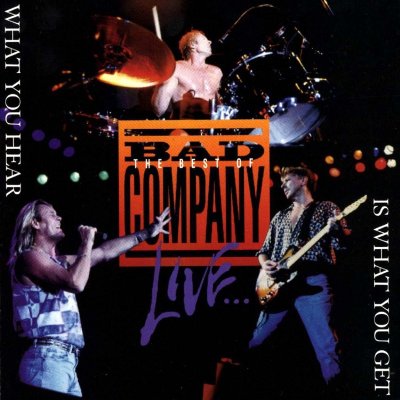
Here Comes Trouble, issued in 1992, achieved platinum status, and earned another Top 40 hit with "How About That. " On their 20th anniversary, Bad Company expanded into a quintet with the addition of bassist Rick Wills and rhythm guitarist Dave Colwell, and released the live retrospective The Best of Bad Company Live...What You Hear Is What You Get. Two more LPs -- 1995's The Company of Strangers and the next year's Stories Told and Untold -- followed, and in 1998 the original lineup of Rodgers, Ralphs, Kirke, and Burrell reunited to record a handful of new tracks that surfaced alongside past material early the following year on The Original Bad Company Anthology. A reunion tour followed that spring.
The Groove is music.nw’s own measure of renown — not an opinion, a fact computed from the record. It weighs reach (how many people engaged) against acclaim (how highly they rated it), balanced so a handful of votes can’t outshout a lasting favourite.
Computed the NeuraWeb way, across the whole record. The same yardstick for everyone — which is why the little-known can out-Groove the famous in their own corner.
How Bad Company moved
Genre belongs to the record, not to the artist. Every album’s Groove is shared out across the genres it actually is — by how the raters tagged it — so nobody is 100% one thing. Stack that by decade and a career draws itself.
Discography
Credits
Ranked #1,302 of 14,615 producers — 924.65 career Groove across 6 records.