Кино
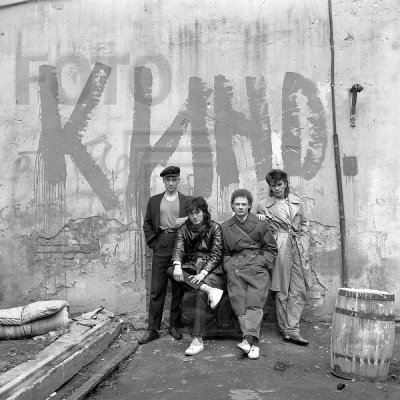
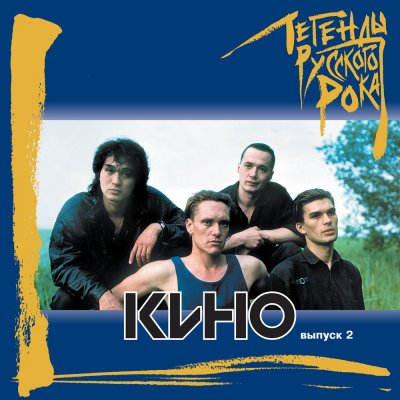
Kino (Russian: Кино́ "film", also "cinema", often written uppercase, КИНО; pronounced kiˈno) was an iconic Soviet post-punk band headed by Viktor Tsoi. It was one of the most famous rock groups in the Soviet Union. History: Early years: Kino was formed in 1981 by the members of two earlier groups from Leningrad (now Saint Petersburg), Palata No. 6 and Piligrim. They initially called themselves Garin i Giperboloidy after Tolstoi's novel The Hyperboloid of Engineer Garin.
The group consisted of Viktor Tsoi, guitarist Aleksei Rybin, and drummer Oleg Valinskiy. They began rehearsing, but Valinskiy was drafted and had to leave the band. In the spring of 1982, they began to perform at the Leningrad Rock Club and met with the influential underground musician Boris Grebenshikov. It was around this time they finally changed the band's name to Kino.
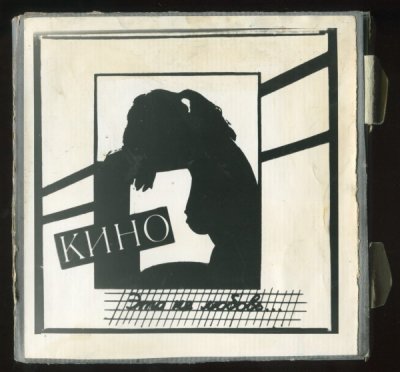
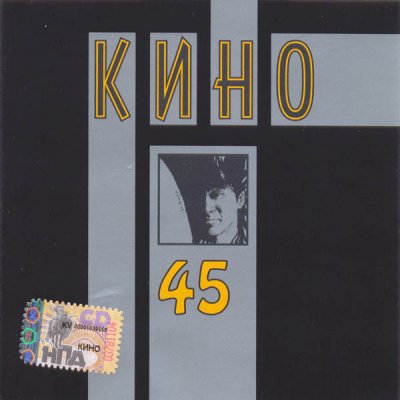
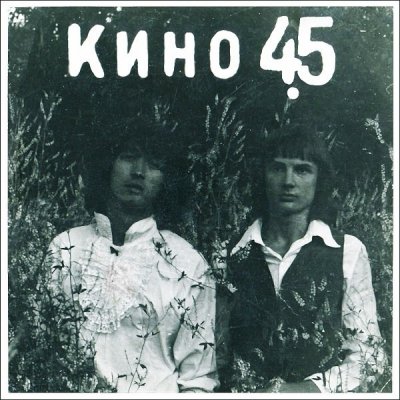
The name was chosen because it was considered short and "synthetic, " and the band members took pride in that it had only two syllables and was easy to pronounce by speakers all over the world. Tsoi and Rybin said later that they had got the idea for the name itself after having seen a bright cinema sign. 45 and the beginning of a career (1982): Kino released their debut album, 45, in 1982. Since the band only consisted of two members, Grebenshikov suggested that members of his band Aquarium assist the band in recording the album. These included cellist Vsevolod Gakkel, flutist Andrei Romanov, and bassist Michael Feinstein-Vasilev.
Since there was no drummer, they used a drum machine instead. This simple composition made the album sound lively and bright. Lyrically, it resembled earlier Soviet bard music for its romanticism of city life and the use of poetic language. The album consisted of thirteen songs and was named 45 in reference to its length.
The group's popularity was rather limited at the time, so the album was not considered much of a success, and Tsoi stated later that the record had come out crudely and he should have recorded it differently. In between (late 1982-1984): In late 1982, Kino attempted to record a second album at the studio of the Maly Drama Theatre, along with drummer Valery Kirillov (who later joined Zoopark) and sound designer Andrew Kuskov. However, Tsoi lost interest in the project and they ceased recording. In the winter of 1983, they played several shows in Leningrad and Moscow, and were sometimes accompanied by Aquarium drummer Peter Troschenkov.
Rybin was replaced by rehearsal bassist Maxim Kolosov and later, guitarist Yuri Kasparian. According to Grebenshikov, Kasparyan was a poor guitar player initially, but he quickly progressed and eventually became the second most important member of Kino. With Kolosov and Kasparyan, Kino performed their second concert at the Leningrad Rock Club. The band's responsibilities were split evenly between Tsoi and Rybin.
Tsoi was in charge of the creative component, writing music and lyrics, while Rybin did all the administrative work, such as organizing concerts, rehearsals and recording sessions. In March 1983, a serious conflict broke out between them, the culmination of multiple differences between the two musicians. Tsoi was particularly annoyed that Rybin performed his songs, and not his own writing, while Rybin didn't like Tsoi's unconditional leadership of the group. Eventually, the two stopped talking, and Rybin left the band.
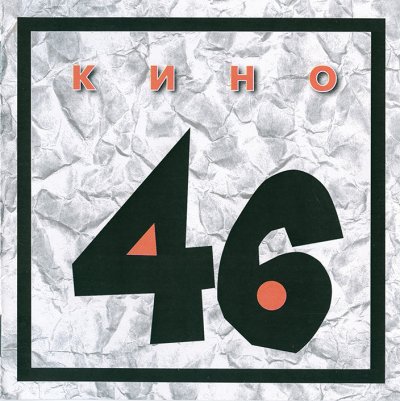
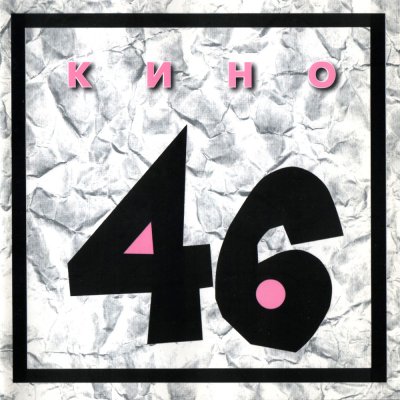
The only audio document from this period was a bootleg called 46, which consisted of demos of new songs by Tsoi. These songs continued with the romanticism of 45, but also had darker undertones. Tsoi dismissed the recording as "only a rehearsal tape, " but many fans viewed it as Kino's second record. Nonetheless, it has never been recognized as a legitimate album by the band.
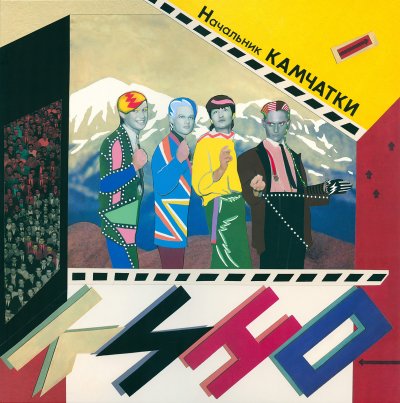
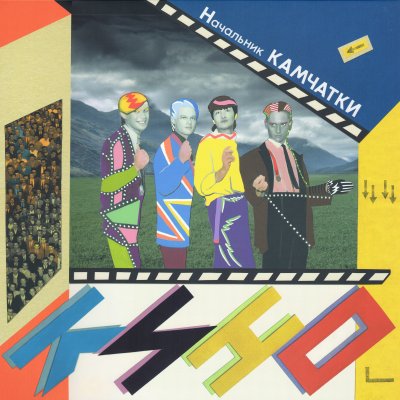
Nachalnik kamchatki and growing fame (1984-1985): In 1984, Kino released their sophomore album, Nachalnik kamchatki (Russian: Начальник Камчатки.) The title was inspired by Tsoi's job as a boiler plant operator ("nachalnik" means 'master' or 'commander, ' and "kamchatka" is slang for 'boiler plant'), as well as a reference to the 1967 Soviet comedy Nachalnik Chukotki (Russian: Начальник Чукотки). Again, Grebenshikov served as a producer and brought many of his friends to help with the record. Among them were Alexander Titov (bass guitar), Sergey Kuriokhin (keyboards), Peter Troschenkov (drums), Vsevolod Gakkel (cello), Igor Butman (sax), and Andrew Radchenko (drums). Grebenshikov himself played a small keyboard instrument.
The album was minimalist in style, with sparse arrangements and usage of fuzz effects on Kasparyan's guitar. "The album was electric and somewhat experimental in sound and form. I cannot say that the sound and style orientation turned out the way we'd like to see it, but from the point of view of the experiment, it looked interesting, " said Tsoi later. After the album was finished, Tsoi formed the electric section of Kino, which included Kasparian on lead guitar, Titov on bass guitar, and Gurianov on percussion, and in May 1984, they began to actively rehearse a new concert program.
Kino then performed at II Festival at the Leningrad Rock Club, where they were highly acclaimed and began to take off in popularity. The group soon became famous and started to tour the Soviet Union. In the summer, they participated in a critically acclaimed joint performance with Aquarium and other bands held in the Moscow suburb of Nikolina Gora under the close supervision of the state security forces. Noch and nationwide recognition (1985-1986): In early 1985, Kino attempted to record another album, but Tsoi did not like producer Andrew Tropillo's interference in his work, and the project was left unfinished.
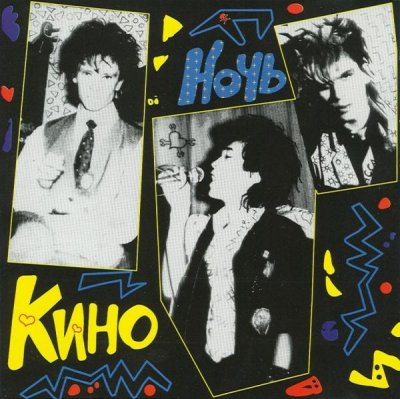
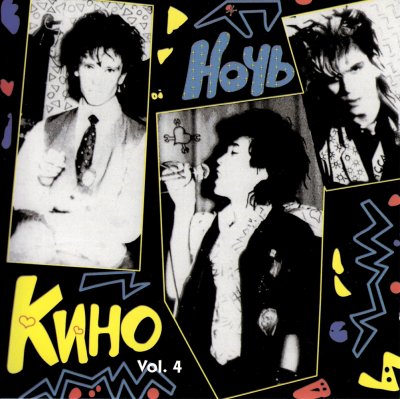
Alexander Titov was a member of Aquarium as well as Kino, and in November 1985, he decided to leave Kino in favor of the other group. He was replaced by jazz guitarist Igor Tikhomirov, who completed the classic lineup of the group that existed until its end. In January 1986, Andrew Tropillo released the unfinished record the band had recorded in his studio a few months earlier. The album, entitled Noch (Russian: Ночь, English: night) was sold in two million copies, making the group famous far beyond the rock community.
However, the band had an extremely negative view of the release of this album. They received very little money from the sales of the record, and in response, they criticized the album and the underground rock press. In the spring the band performed at the IV Festival Rock Club, where they received the grand prize for the song "Дальше действовать будем мы" (English: "From Now On, We'll Be in Charge. ") In the summer, they travelled to Kiev to make a film with Sergei Lysenko.
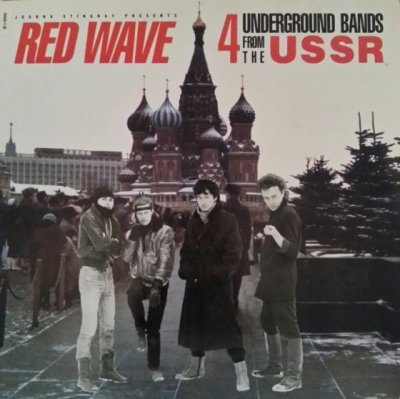
In July, they performed at the Moscow Palace of Culture Engineering along with Aquarium and Alisa. Afterwards, the three bands released a compilation called Red Wave. The album sold 10,000 copies in California, becoming the first release of Soviet rock music in the West. Gruppa krovi and critical acclaim (1986-1988): From 1986 to 1988, Tsoi began to act in more movies, but continued to write songs for Kino.
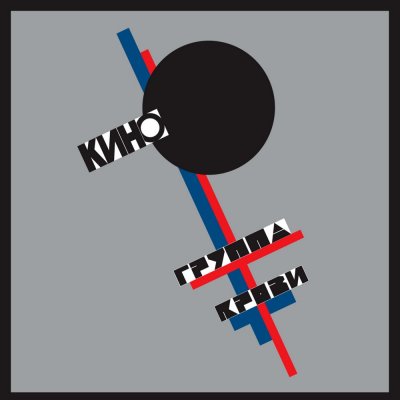
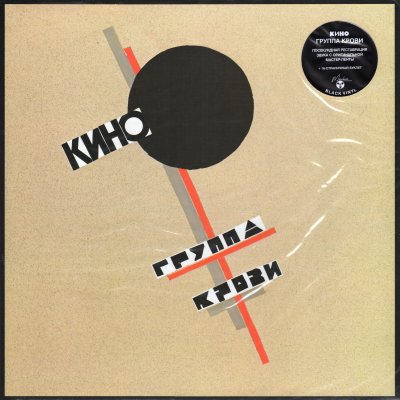
The film Needle (Игла, Igla), which he starred in, brought the band to even more prominence, and their 1988 album Gruppa krovi (Blood Type) brought them to the pinnacle of their popularity. Kasparian had married the American Joanna Stingray, who brought the group high-quality equipment from abroad. Thus, the technical equipment Kino used on this album far exceeded the equipment they had access to on their earlier albums, and it was their first record technically on par with European and American recordings. Russian journalist Alexander Zhytynsky called Gruppa krovi one of the best works of Russian music and said that it elevated Russian rock to a new level.
The album was also acclaimed in the West, where it was released in 1989 by Capitol Records and lauded by American critic Robert Christgau. Noch was also released on vinyl by Melodiya in 1988. Kino performed on central television in the Soviet Union, and Assa, a 1987 film featuring Russian rock, showed Tsoi performing "Khochu peremen! " ("I Want Change!
") in front of a crowd of thousands. After this, Kino's popularity swept the country, and their music captured the minds of the Soviet youth of the 1980s. Zvezda po imeni Solntse and global popularity (1989-1990): Soon after gaining national fame, Kino began to receive invitations to perform from all over the Eastern Bloc and even from some foreign countries. They participated in a charity contest in Denmark to raise money for relief from the earthquake in Armenia and performed at the largest French rock festival in Bourges and at the Soviet-Italian festival Back in the U.S.S.R. in Melpignano.
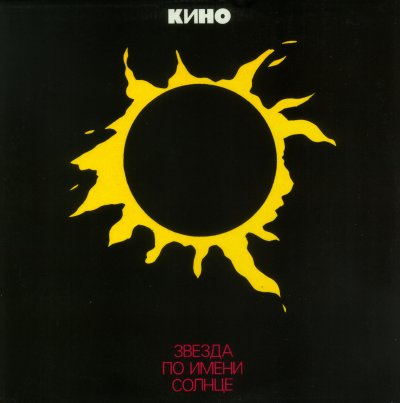
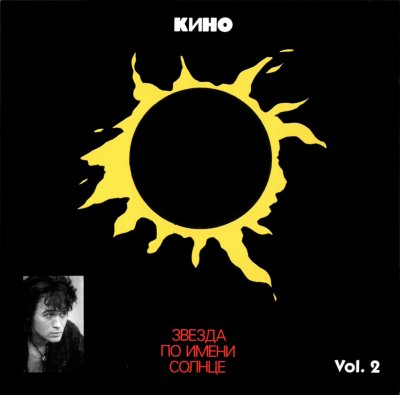
In 1989, they traveled to New York and held a premiere of Needle, as well as a small concert. In 1989, they released Zvezda po imeni Solntse (English: A Star Called Sun), which was lonely, introspective, and sad, despite the fame the band was enjoying. Kino appeared on the popular Soviet television program Vzglyad and attempted to record several video clips. While Tsoi was unsatisfied with them and insisted that they be removed, they were nonetheless shown frequently on television.
Around this time, the band decided to create a separate pop band to perform their more light-hearted songs to balance the pop songs that helped them gain popularity with Tsoi's introspective musings. In 1990, Kino performed at Luzhniki Stadium, where the organizers lit the Olympic flame, which had been lit only four times before (at the Moscow Olympics in 1980, the World Festival of Youth and Students in 1985, the Goodwill Games in 1986, and the Moscow International Peace Festival 1989.) Chorny albom and the end of Kino (1990-present): In June 1990, after finishing a lengthy touring season, the band decided to take a short break before recording an album in France. However, on August 15, Tsoi was killed in a car crash near Riga while returning from a fishing trip. His death was a shock for Soviet society.
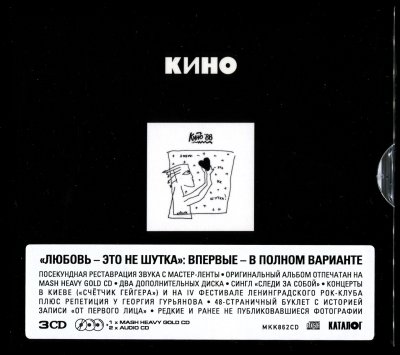
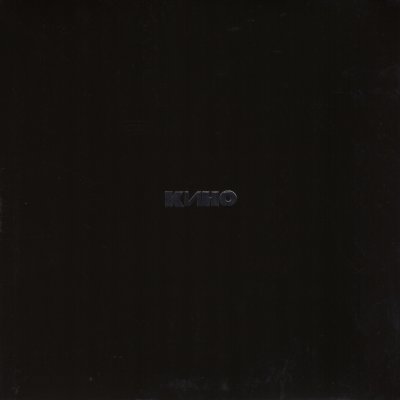
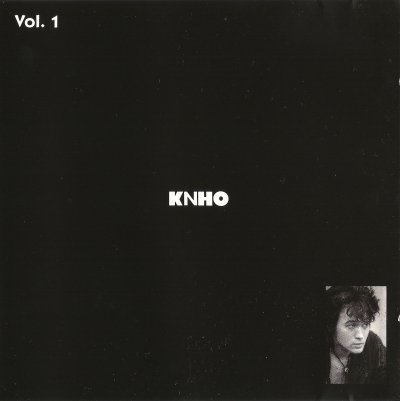
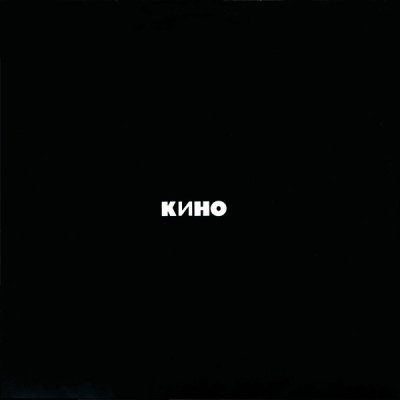
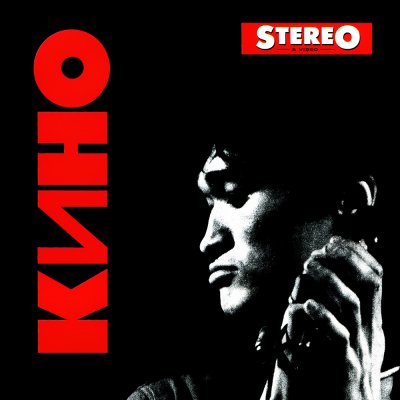
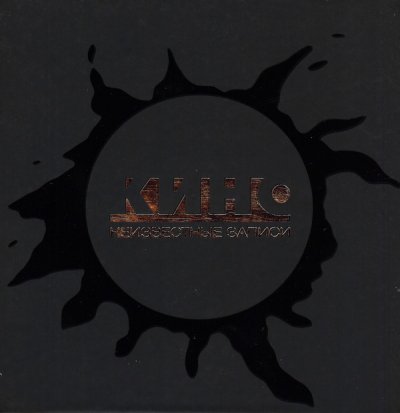
Before Tsoi died, they had recorded several songs in Latvia, and the remaining members of Kino finished the album as a tribute to him. While it had no official title, it is often called Chorny albom (The Black Album) in reference to its all-black cover. It was released in December 1990, and shortly after, Kino and others close to Tsoi held a press conference announcing the end of the band. Former band member Georgy Guryanov died on 20 July 2013, from complications of hepatitis C, liver and pancreatic cancer, at the age of 52.
Style: All Kino songs were written by Viktor Tsoi. His lyrics are characterized by a poetic simplicity. The ideas of liberty were present (one song was named "Mother Anarchy") but, on the whole, the band's message to the public was not overly or overtly political, except for the recurring theme of freedom. Their songs largely focused on man's struggle in life and dealt with such overarching themes as love, war, and the pursuit of liberty.
Elements of daily life are also embedded in Kino's vocabulary (for instance, there is a song about the elektrichka, a commuter train many suburbanites use daily). When asked about the social and political themes of his music, Tsoi said that his songs were works of art and he did not wish to engage in journalism. Musically, Kino's music was inspired by post punk and new wave. The band was influenced by Western alternative bands such as R.E.M.,The Smiths, The Sisters of Mercy, and The Cure.
Tsoi's vocals were especially influenced by those of Ian Curtis of the British band Joy Division. Legacy: As one of the first Russian rock bands, Kino greatly influenced later bands. On December 31, 1999, Russian rock radio station Nashe Radio announced the 100 best Russian rock songs of the 20th century based on listener votes. Kino had ten songs in the list, more than any other band, and "Gruppa Krovi" took the first place.
Russian newspaper Komsomolskaya Pravda listed Kino as the second most influential Russian band ever (after Alisa.) In addition, "Gruppa Krovi" was listed as one of forty songs that changed the world in a 2007 Russian-language edition of Rolling Stone. Tsoi's simple, relatable lyrical style was very accessible to Kino's audience, and helped them gain popularity throughout the Soviet Union. While not excessively political, their music, which coincided with Mikhail Gorbachev's liberal reforms such as glasnost and perestroika, influenced Soviet youth to demand freedom and change. Additionally, the Western style of their music increased the popularity of Western culture in the Soviet Union.
Kino has remained popular in modern Russia, and Tsoi in particular is a cult hero. The group's popularity is referred to as "Kinomania, " and fans of the group are known as "Kinophiles. " In Moscow, there is a Tsoi Wall, where fans leave messages for the musician, and the boiler room where Tsoi once worked is a place of pilgrimage for fans of Russian rock. Band members: Viktor Tsoi (Виктор Цой) - lead vocals, guitar, bass (1981-1990; died 1990), Aleksei Rybin - guitar (1981-1983), Olev Valinskiy - drums (1981-1982), Boris Grebenshchikov - guitar, drums, percussion (1982-1985), Mikhail Vasilev - drum machine (1982-1983), Yuri Kasparyan (Юрий Каспарян) - lead guitar (1983-1990), Aleksandr Titov - bass, percussion (1983-1986), Aleksei Vishnia - drum machine (1985-1986), Georgiy Guryanov (Георгий Гурьянов) - drums, percussion (1986-1990; died 2013), Igor Tikhomirov (Игорь Тихомиров) - bass (1986-1990)
The Groove is music.nw’s own measure of renown — not an opinion, a fact computed from the record. It weighs reach (how many people engaged) against acclaim (how highly they rated it), balanced so a handful of votes can’t outshout a lasting favourite.
Computed the NeuraWeb way, across the whole record. The same yardstick for everyone — which is why the little-known can out-Groove the famous in their own corner.
How Кино moved
Genre belongs to the record, not to the artist. Every album’s Groove is shared out across the genres it actually is — by how the raters tagged it — so nobody is 100% one thing. Stack that by decade and a career draws itself.
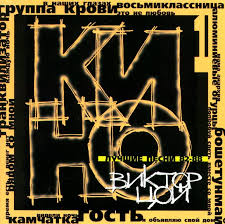
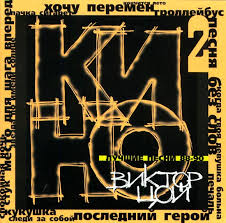
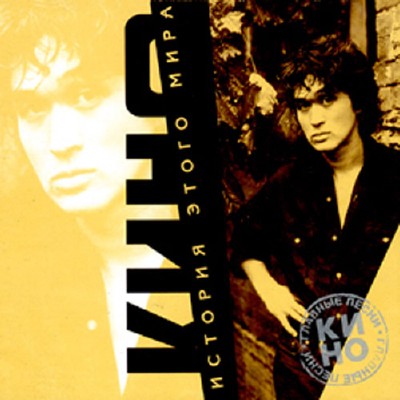
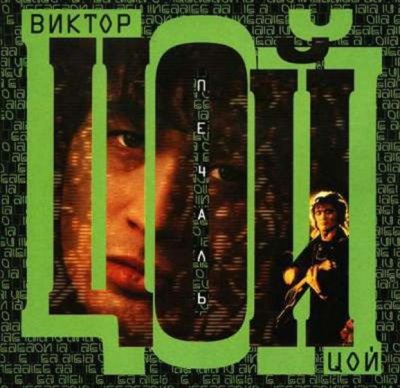
Discography
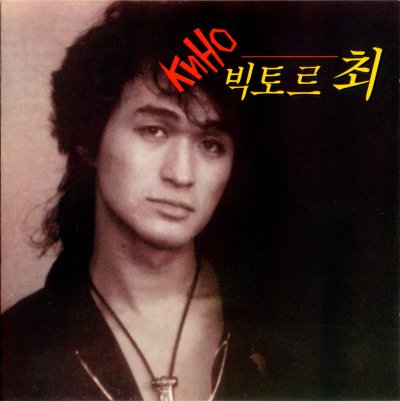
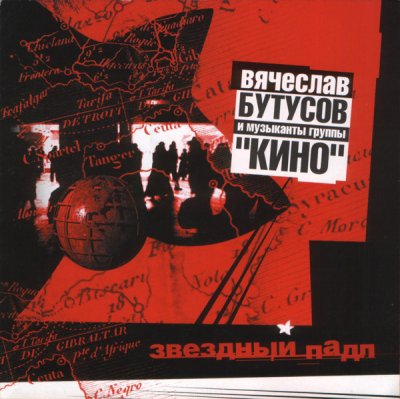
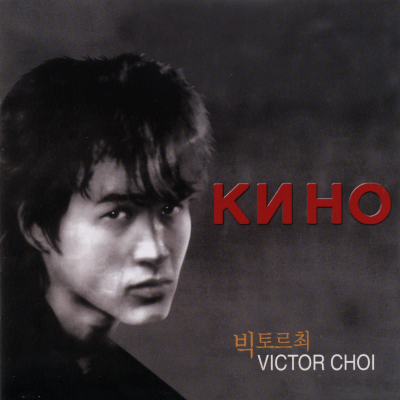
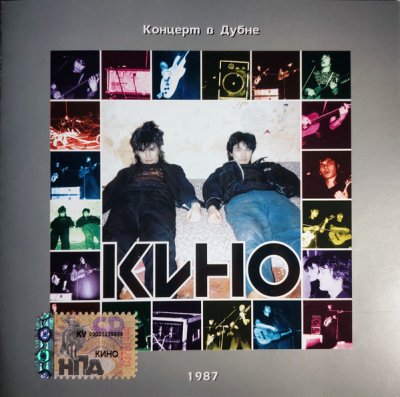
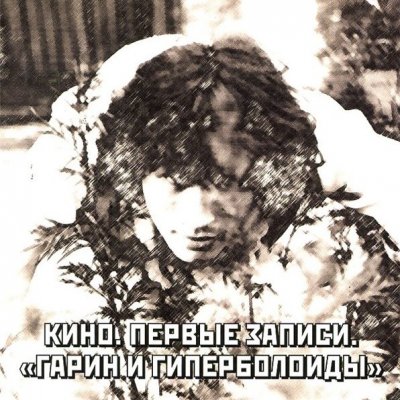
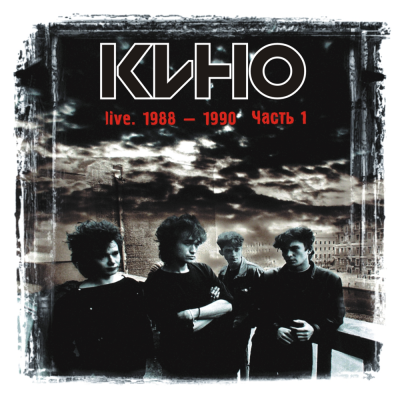
Credits
Ranked #13,034 of 14,615 producers — 43.23 career Groove across 3 records.