שלום חנוך
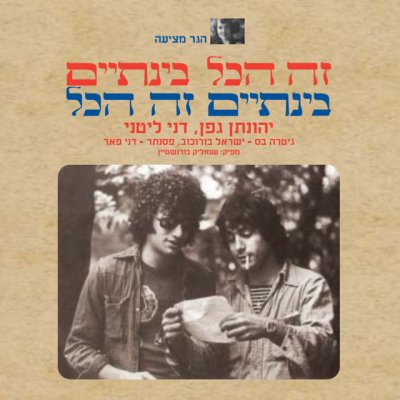
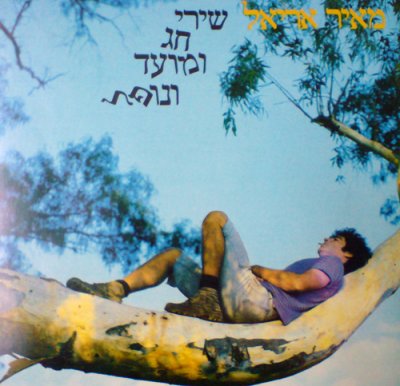
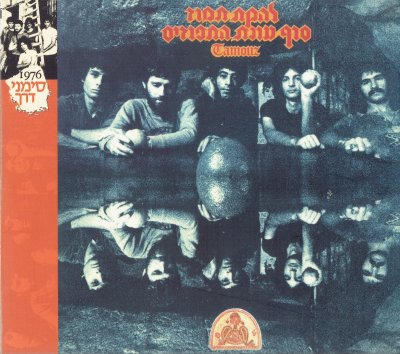
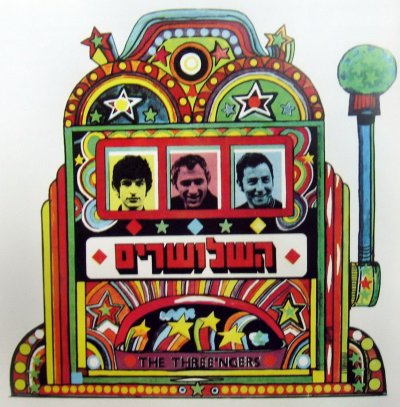
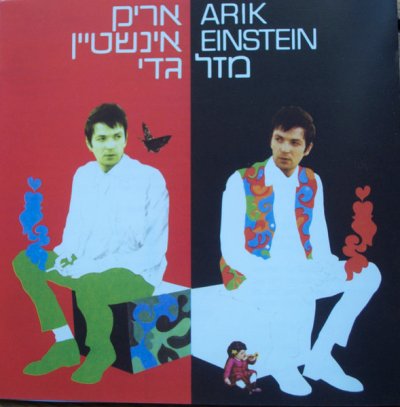
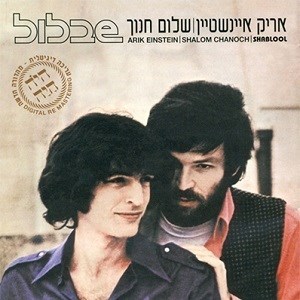
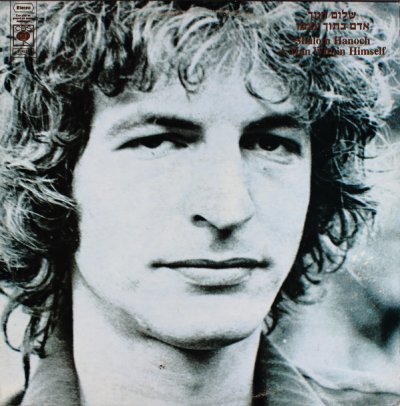
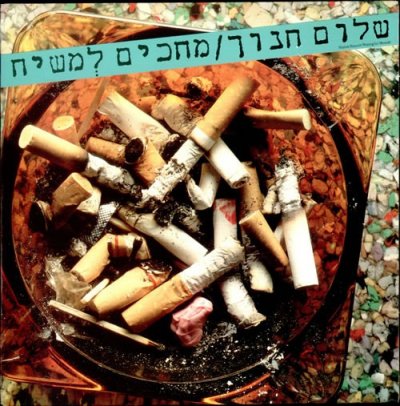
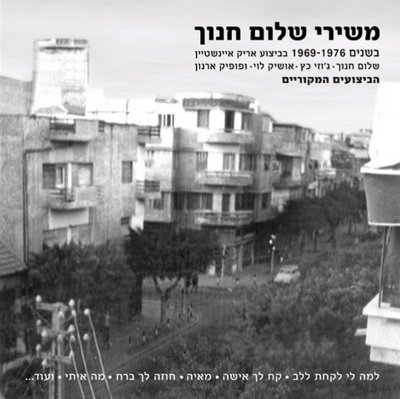
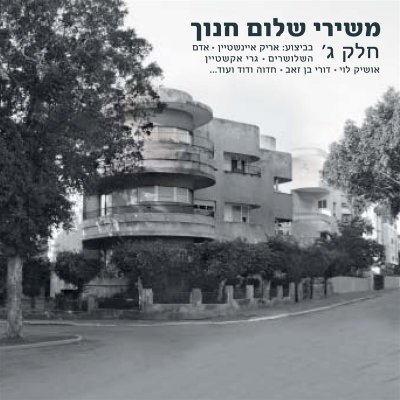
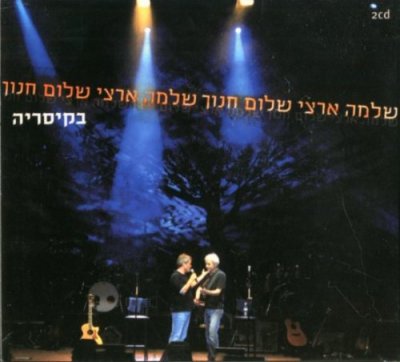
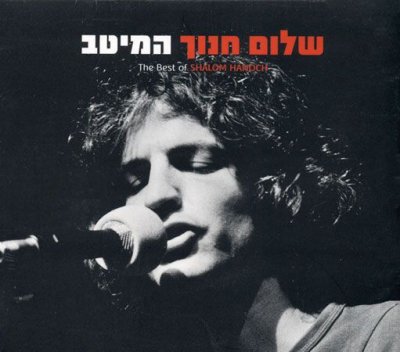
Shalom Hanoch (Born September 1, 1946, Kibbutz Mishmarot, Israel) is an Israeli singer, lyricist and composer, who is considered to be one of the ancestors of the Israeli rock. Hanoch's creation is one of the biggest influences on Israeli Rock and Israeli Music, as a solo artist and as a part of bands. His cooperation with Arik Einstein gave birth to some of the first Israeli Rock albums. Start of His Career: After Hanoch got a Jazz guitar when he was 12 years old, he started to play and compose songs. When he was 14 he already completed his first song - Layla (Night), that included lyrics and composition. Along with another member of the Kibbutz, Meir Ariel, he wrote more songs, and joined the Kibbutz's band - "HaMishmaron". Songs from that time include Agadat Deshe (Grass Legend), Nisa LaYam (We'll Go To Sea), Risim (Eyebrows) and Yom Acharon (Last Day). As he aged 16, he started to learn in the Theatre School Beit Tzvi. The Nahal Band: When he was 18, he was recruited to the Nahal Band. A few of his notable songs in the Nahal Band were: Serenada LeAda (Serenade to Ada), Arba Acharei HaTzaharaim (Four O'Clock Afternoon), Vals LeHaganat HaTzomeach (Waltz for the Plants Defence), Haleluiya and Haiti Na'ar (I Was a Teenager). He left the band in 1968, not before he recorded the album Kol HaKavod LaNahal (Well Done for the Nahal), which included the best of the Nahal songs from the 50s to the 60s. In this album Hanoch sang Mitria Bishnaim along with the band's star, Shula Chen. The two were first mentioned on the cover, a thing that was new to army bands recording. Pre-Rock Revolution: In 1967 Shalom performed in the High Windows club with songs he wrote for the High Windows. There he got to meet Arik Einstein, who was already a star in Israel, and was asked by him to write songs for him. In 1967 the album Hagar was released, which included four songs composed by Hanoch. Hanoch's great breakthrough occuredin 1968 when Arik Einstein recorded his second album, Mazal Gdi, which contained only songs written by Hanoch. To six of them he also wrote the lyrics. The Cooperation between the two continued in the Festival of Singing (Festival HaZemer), when Einstein performed Hanoch's songs - Prague. But the composite song, which talked about the Soviet invasion to the capital of the Czech Republic was very unusual, and was apatheticly accepted by the audience. In 1969 Hanoch and his former Nahal-band member, Chanan Yovel, joined with Beni Amdurski and founded the band HaShlosharim. Shalom composed many of the band's songs. In these years he also wrote a lot of songs for other artists. Rock Revoloution: In the year of 1970 Arik Einstein, Shalom Hanoch and The Churchills created a new Israeli sound, influenced by Anglo-American Rock n' Roll. This sound was shown in the album Shablul, in which Hanoch composed all the songs. One of the known songs from this album was Ma Ata Ose KsheAta Kam Baboker (What Do You Do When You Wake Up in the Morning). The Churchills, who played in most of the songs, was a band influenced by Psychedelic Rock of the late 60s, and this kind of Psychedelia appeared in some of their songs. Another expression for the innovation and change of the Israeli music in this album, were the lyrics. The words were written in popular language and not in official and high language, as used in Israeli songs before. Along with the extraordinary lyrics, one old-style song was in the album - HaBalada Al Yoel Moshe Salomon (The Balad About Yo'el Moshe Salomon). Plastelina, the second Einstein-Hanoch album, was recorded four months after the first. Two more artist who worked with Einstein that time, Shmulik Kraus and Josey Katz, took part in recording and composing. In the same year Hanoch wrote and composed a song for Uri Zohar's Hitromemut movie. In 1971 Hanoch flied to London in order to start an international career. International Career: In London Shalom signed a contract with producer Dick James, who worked with Elton John that time. In 1971 Hanoch recorded a solo album in English, Shalom. The album was recorded and produced in James' record company, DJM, with Elton John's players. The record included songs that were composed by Hanoch in Israel and were translated to English, and also included new songs. A few of these became more famous in Israel after a few years, when they were translated to Hebrew and appeared in his solo albums, and in the album of the band Tamouz. With his return to Israel in 1973 Hanoch claimed to return because it was hard for him to suceed in other countries, and writing in English did not suit to him. In 1976 the album was released in Israel by CBS and ran out of stores very fast. The album was never released or produced with more copies again. Back in Israel: In 1973 Hanoch returned to Israel. He, Mati Kaspi, Ariel Zilber and Dani Litani founded the group Tamouz. With the lead of Hanoch and Zilber, Tamouz became the most significant Rock band of the late 70s in Israel. Tamouz's only album - Sof Onat HaTapuzim (1976), was a milestone in the beginning of Israeli Rock, and became the most eminent album of his time. Tamouz started a performance tour, which was very successful, but the production was very expensive and the band lost money. With the bad financial situation, and Zilber's dissatisfaction of the band's musical type and genre, the group disbanded, and made a last successful tour to return their lost money. Tamouz reunited for a few tours in 1983, and also performed in the memory of Meir Ariel in 2000, a year after his death. Adam Betoch Azmo: After the disgrouping of Tamouz, Hanoch released his first Hebrew solo album - Adam Betoch Azmo (1977, A Man Inside Himself). The songs were silent and minoric, including Adam Betoch Azmo, Ir Zara (Foreign Town), Tiul LeYafo (A Trip to Jaffa), and Rack Lirkod (Just Dance). Most of these songs talked about Hanoch's life, after a harsh devorce from his wife. In 1978 Hanoch performed in the "Neviot Festival". The performances there were very succesful, and made Hanoch a esteemed Rock singer. In this time Hanoch recorded his song - Haya Kedai (It Was Worth It), which was a huge success. In 1979, Arik Einstein and Shalom Hanoch started a cooperated tour that included a huge production. The performance was recorded in Hechal HaTarbut and was released as Arik Einstein VeShalom Hanoch BeHofa'a Meshutefed. This album contained new songs of both Einstein and Hanoch, and two strings of songs (almost 20 minutes long each) of their best songs from their albums in the 70s. In 1980 Hanoch produced Einstein's MiShirei Sasha Argov. In the same year he also wrote and composed Shir Lelo Shem for Yehudit Ravitz, that was written in the memory of Shalom's nephew, Avshalom, that fell in November that year. Hanoch also composed a few songs for einstein's album Hamush BeMishkafaim (Armed with Glasses), and composed Nurit Galron's very known song - Ki HaAdam Etz HaSade. White Wedding: In 1983 Hanoch created one of his most prominent album - Chatuna Levana (White Wedding). This album differed from Hanoch's other albums until then, since it was very dark sounded, and it was the first time Hanoch sang in his familiar voice today, and not in high voice as in the start of his career. The songs were very complex, and dealed with Hanoch's devorce, relationships, money and success. The album did not reach a lot of commercial success in that time (only after a few years), but today it is recognized as a modern, heavy and coarse rock creation in Hebrew. The 80s: In 1983 Hanoch recorded the album Al Pnei HaAdama (On the Ground's Surface), that included silent song dealing with the man and nature. The album contained three new songs, and renovations of older songs. In 1985 he recorded his most successful album - Mehakim LaMashiach (Waiting for the Messiah). The album contained political-social songs: "Waiting for the Messiah" dealt with financial troubles, Lo Otzer BeAdom (Doesn't Stop in Red Light) was written about the 1982 Lebanon War. It also contained personal songs and love songs. This album was produced by Hanoch and Moshe Levi, who became his partner since then. Hanoch planned a tour in small halls, but eventually he decided to take risk and make four stadium shows. These shows were massively successful and made Hanoch the most popular rock star of that time. In 1986 Hanoch created another album, which wasn't very successful, because it was partially made in England. The 90s: In 1991 Hanoch recorded his album BaGilgul Haze that was a big success. One of the songs, Kacha VeKacha, was written as a joke-song but was very successful. In 1992 Hanoch released a collection of silent songs, partially from a live show, called Lo Yachol Lishon Achashav (Can't Sleep Now). In 1994 he recorded 'A-Li-Mut' (Violence); in 1997 he released Erev Erev (Evening Evening), which also included a few translated songs from his English album. In the same year he composed Shalom Haver (Goodbye Friend) in the memory of the prime minister Itzhak Rabin, for Einstein's album LeAn Parhu HaParparim. This was a first cooperation between Einstein and Hanoch after 17 years. This cooperation resulted in an album of Einstein and him - Muskat (1999). New Millenium: In 2001 an independent label, "C90", produced a bootleg from Hanoch's White Wedding tour. In 2002, 25 years after the release of Adam Betoch Azmo, the album was released again with a bonus song, that was recorded in 2000 with David Broza. In 2003 he recorded Or Israeli with the rock band Monica Sex. In 2004 the Yetzia tour was released as a live album. In the end of that year, a five-disk collection was released that summed Shalom's career until then. In the summer of 2005, Hanoch joined Shlomo Artzi, and they went on a tour called Hitchabrut, which was very successful and was released as a double album.
Discography

Credits
Ranked #14,201 of 14,615 producers — 24.20 career Groove across 3 records.