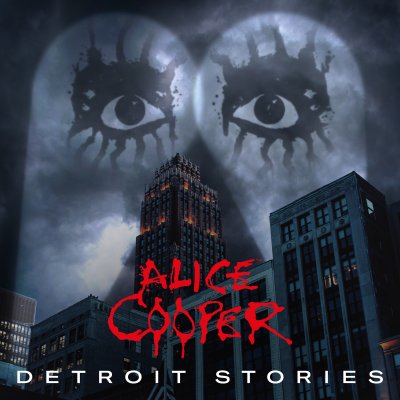
Alice Cooper
Vincent Furnier was the son of a Protestant minister in Detroit, but it was in high school in Phoenix that he gathered four teammates from the track team and formed the band that would eventually take the name Alice Cooper — chosen because it sounded like an innocent old aunt, in perfect contrast to what they were up to. Frank Zappa discovered them in Los Angeles in 1969, and after two albums nobody cared about, they moved to Detroit and found producer Bob Ezrin. From there it exploded: Love It to Death in 1971, School’s Out in 1972, and Billion Dollar Babies topping the charts in both the US and the UK in 1973. When the band fell apart in 1975, Furnier legally took the name Alice Cooper and continued on his own.
Five decades, over 30 solo albums and more than 50 million records sold later, he is still on the road — inducted into the Rock and Roll Hall of Fame in 2011 and widely recognised as the godfather of shock rock. The music has always been simpler and catchier than the image would suggest. The riffs are raw and direct, the melodies borrowing as much from ‘60s guitar pop and show tunes as from heavy metal. Cooper has moved through hard rock, glam, new wave and industrial rock over the decades, but the dark humour and theatrical instinct remain the constant.
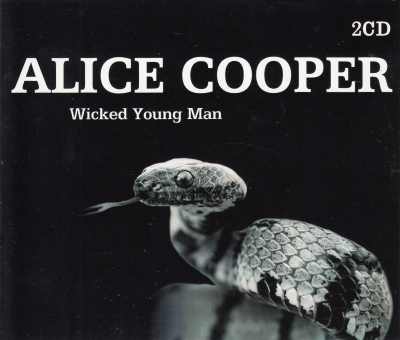
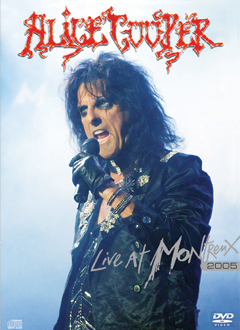
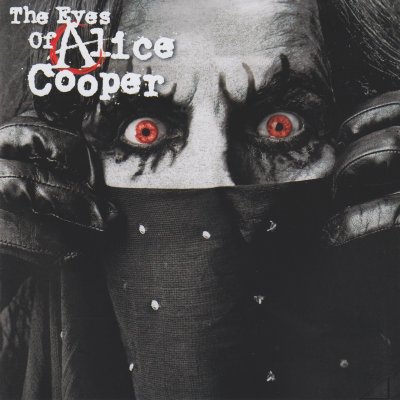
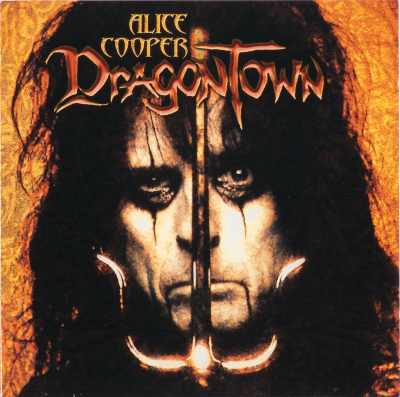
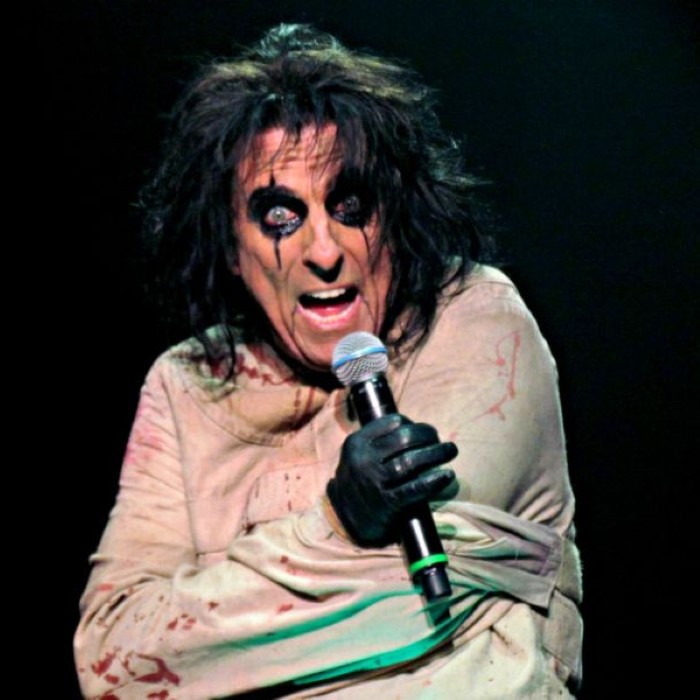
Songs like “School’s Out”, “No More Mr. Nice Guy” and “Poison” are lodged in the spinal cord of generations. Live, Alice Cooper is not a concert — it is a show. Guillotines, electric chairs, giant snakes, gallows and blood: a rock’n’roll cabinet drawn from horror films and vaudeville.
Cooper himself has always insisted that Alice is a character, an alter ego. But on stage, after more than 50 years of intensive touring, the line between man and monster is impossible to find. That is what makes him dangerous — and that is what makes him irresistible.
The Groove is music.nw’s own measure of renown — not an opinion, a fact computed from the record. It weighs reach (how many people engaged) against acclaim (how highly they rated it), balanced so a handful of votes can’t outshout a lasting favourite.
Computed the NeuraWeb way, across the whole record. The same yardstick for everyone — which is why the little-known can out-Groove the famous in their own corner.
How Alice Cooper moved
Genre belongs to the record, not to the artist. Every album’s Groove is shared out across the genres it actually is — by how the raters tagged it — so nobody is 100% one thing. Stack that by decade and a career draws itself.
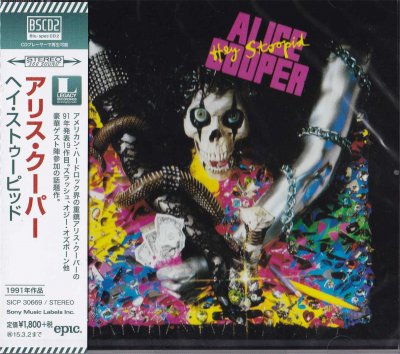
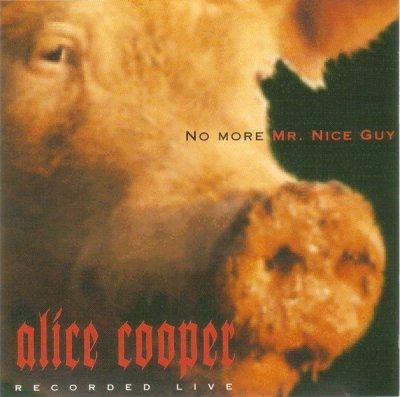
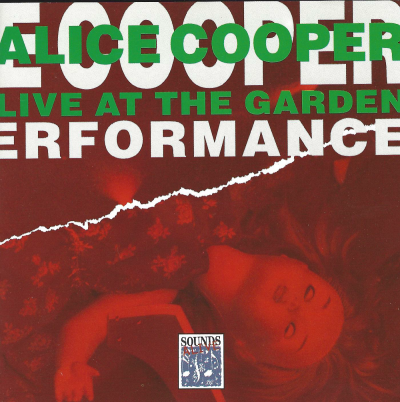
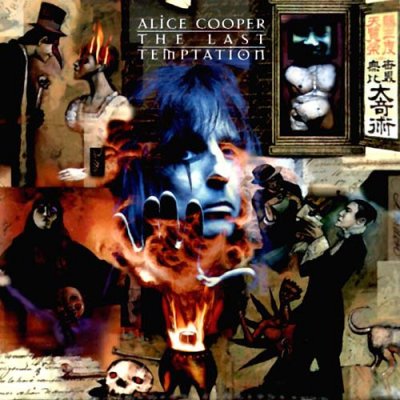
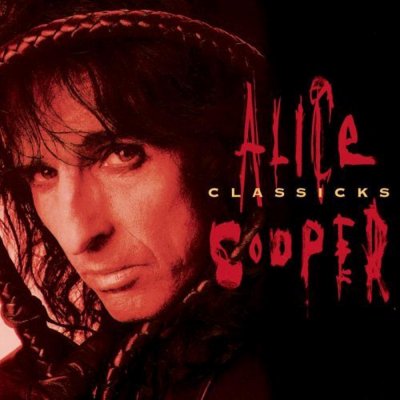
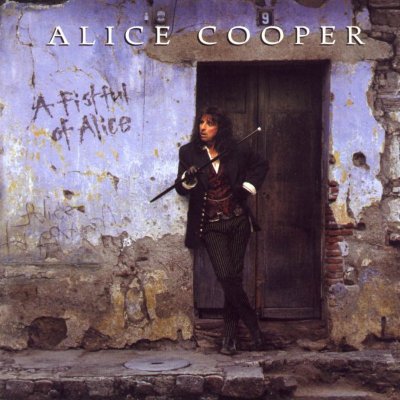
Discography

Credits