Albert King
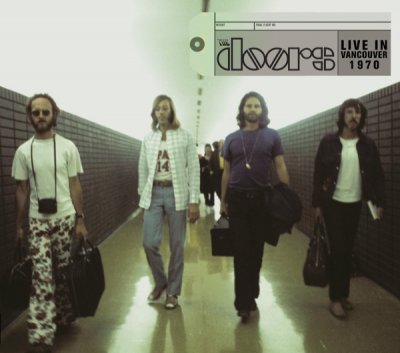
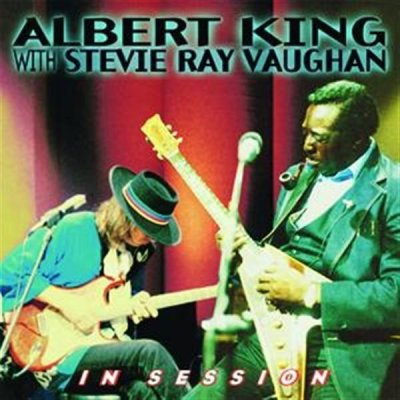
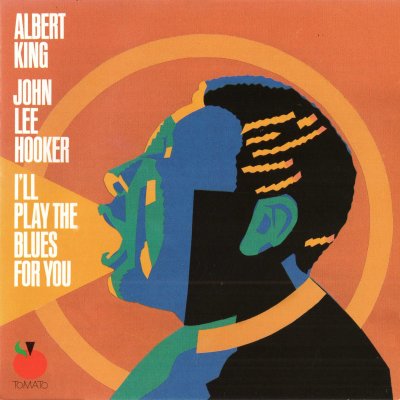
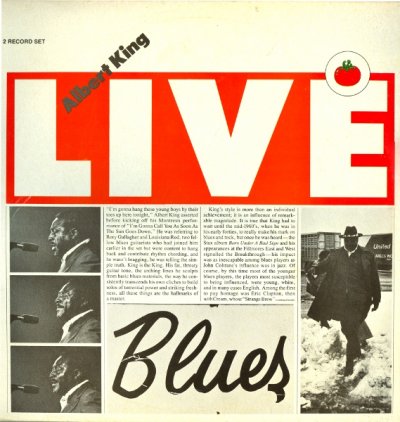
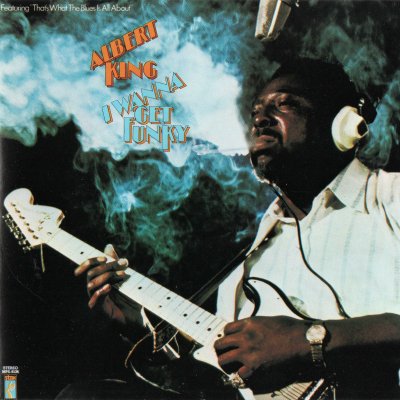
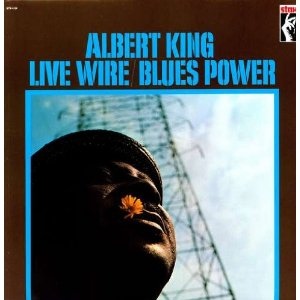
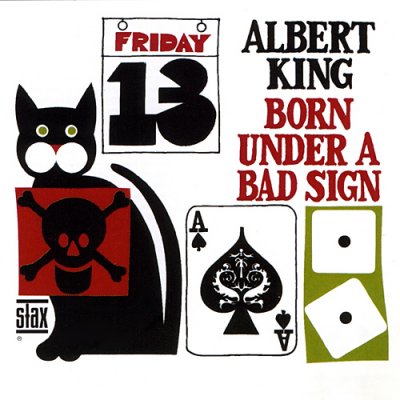
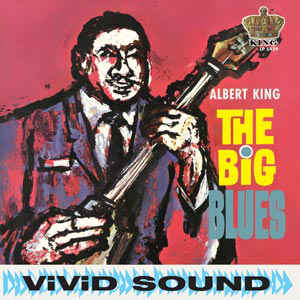
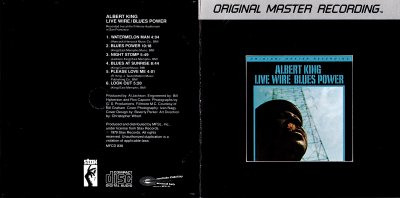
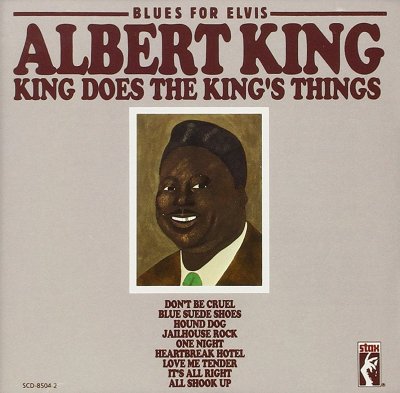
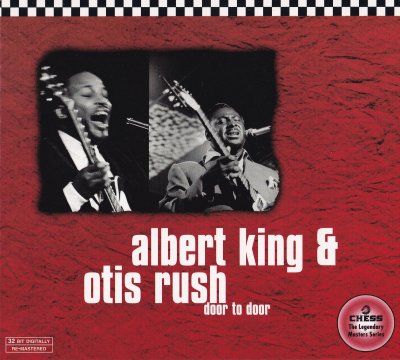
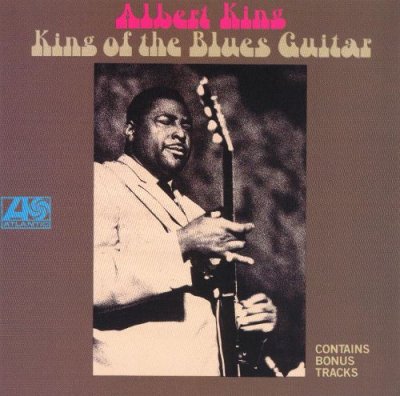
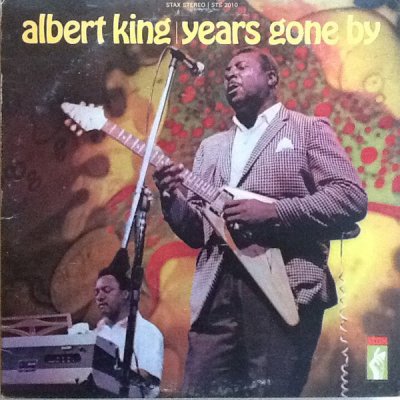
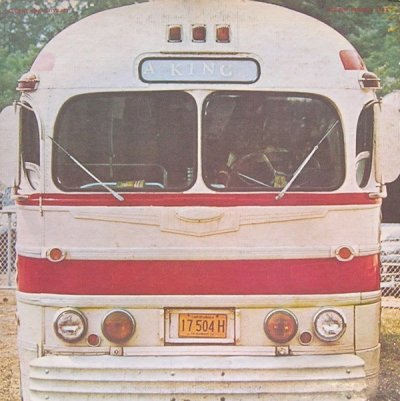
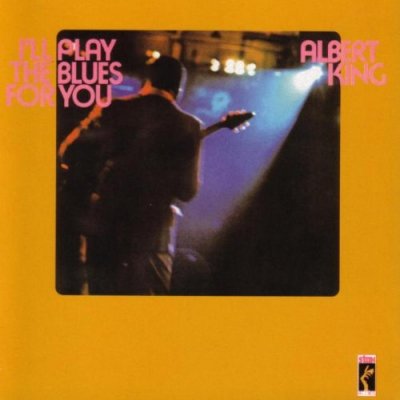
One of the "Three Kings of the Blues Guitar" (along with B.B. King and Freddie King), Albert King stood 6 ft 4 in (1.93 m) (some reports say 6 ft 7 in (2.01 m)) and weighed 250 pounds (110 kg) and was known as "The Velvet Bulldozer". He was born Albert Nelson on a cotton plantation in Indianola, Mississippi. During his childhood he would sing at a family gospel group at a church where his father played the guitar. One of 13 children, King grew up picking cotton on plantations near Forrest City, Arkansas, where the family moved when he was eight. He began his professional work as a musician with a group called In The Groove Boys in Osceola, Arkansas. Moving north to Gary, Indiana and later St. Louis, Missouri, he briefly played drums for Jimmy Reed's band and on several early Reed recordings. Influenced by blues musicians Blind Lemon Jefferson and Lonnie Johnson, the electric guitar became his signature instrument, his preference being the Gibson Flying V which he named "Lucy". King earned his nickname "The Velvet Bulldozer" during this period as he drove one of them and also worked as a mechanic to make a living. King moved to Gary, Indiana in the early 1950s, then to Chicago in 1953 where he cut his first single for Parrot Records, but it was only a minor regional success. He then went back to St. Louis in 1956 and formed a new band. During this period, he settled on using the Flying V as his primary guitar. He resumed recording in 1959 with his first minor hit, "I'm a Lonely Man," written by Little Milton, who was Bobbin Records A&R man, a fellow guitar hero, and responsible for King's signing with the label. It was not until his 1961 release "Don't Throw Your Love on Me So Strong" that King had a major hit, reaching number fourteen on the U.S. Billboard R&B chart. The song was included on his first album The Big Blues, released in 1962. He next signed with jazz artist Leo Gooden's Coun-Tree label. King's reputation continued to grow in the Midwest, but a jealous Gooden dropped him from the label. In 1966, King moved to Memphis, where he signed with the Stax record label. Produced by Al Jackson, Jr., King with Booker T. & the MGs recorded dozens of influential sides, such as "Crosscut Saw" and "As The Years Go Passing By". In 1967 Stax released the album, Born Under a Bad Sign. The title track of that album (written by Booker T. Jones and William Bell) became King's best-known song and has been covered by many artists (from British rock group Cream, Paul Rodgers, Canadian guitarist Pat Travers, American rock guitarist Jimi Hendrix to cartoon character Homer Simpson). The success of the album made King nationally known for the first time and began to influence white musicians. Another landmark album followed with Live Wire/Blues Power, from one of many dates King played at promoter Bill Graham's Fillmore venues. It had a wide and long-term influence on Jimi Hendrix, Eric Clapton, Robbie Robertson, and later Gary Moore and Stevie Ray Vaughan. In 1969, King performed live with the St. Louis Symphony Orchestra. During the early 1970s, he recorded an album Lovejoy with a group of white rock singers, an Elvis Presley tribute album, Albert King Does The King's Things, and a cameo on an Albert Brooks comedy album A Star is Bought. According to Bill Graham, "Albert was one of the artists I used many times for various reasons. He wasn't just a good guitar player; he had a wonderful stage presence, he was very congenial and warm, he was relaxed on stage, and he related to the public. Also he never became a shuck-and-jiver. One of the things that happened in the '60s – it's not a very nice thing to say, but it happens to be true – was that blues musicians began to realize that white America would accept anything they did on stage. And so many of them became jive. But Albert remained a guy who just went on stage and said 'Let's play.'" On June 6, 1970, King joined The Doors on stage at the Pacific Coliseum in Vancouver, Canada. He lent his distinctive guitar to blues cuts such as “Little Red Rooster,” “Money,” “Rock Me” and “Who Do You Love.” In the 1970s, King was teamed with members of The Bar-Kays and The Movement (Isaac Hayes's backing group), including bassist James Alexander and drummer Willie Hall adding strong funk elements to his music. Adding strings and multiple rhythm guitarists, producers Allen Jones and Henry Bush created a wall of sound that contrasted with the sparse, punchy records King made with Booker T. & the MGs. Among these was another of King's signature tunes "I'll Play the Blues For You" in 1972. King influenced others such as Mick Taylor, Derek Trucks, Warren Haynes, Mike Bloomfield and Joe Walsh (the James Gang guitarist spoke at King's funeral). He also had an impact on contemporaries Albert Collins and Otis Rush. He was often cited by Stevie Ray Vaughan as having been his greatest influence. Clapton has said that his work on the 1967 Cream hit "Strange Brew" and throughout the album Disraeli Gears was inspired by King. By the late 1980s, King began to muse about retirement, as he had health problems. He continued regular tours and appearances at blues festivals, using a customized Greyhound tour bus with "I'll Play The Blues For You" painted on the side. Shortly before his death, he was planning yet another overseas tour. His final album, Red House - named after the Jimi Hendrix song - was recorded in 1992. The album was largely ignored because of bad production quality and original copies of it are scarce. King died on December 21, 1992 from a heart attack in his Memphis, Tennessee home. His final concert had been in Los Angeles two days earlier. He was given a funeral procession with the Memphis Horns playing "When The Saints Go Marching In" and buried in Edmondson, Arkansas near his childhood home. On December 11th, 2012, it was announced that King would be posthumously inducted into the 2013 Rock and Roll Hall of Fame.
Discography
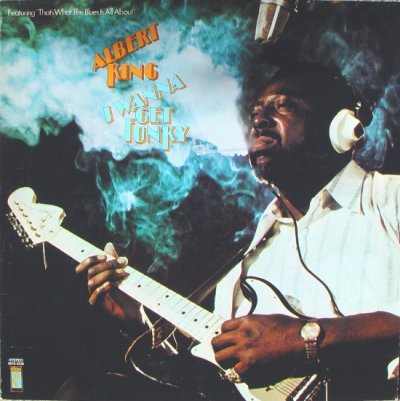
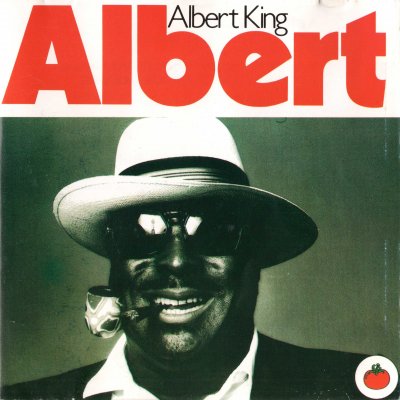
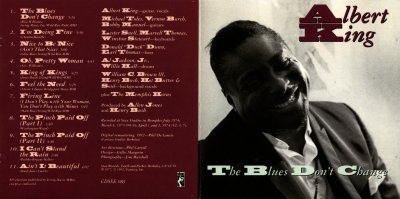
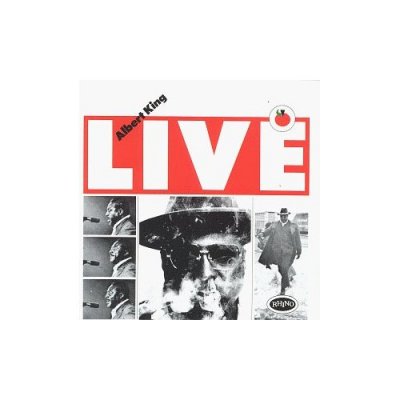
Credits