Al Kooper
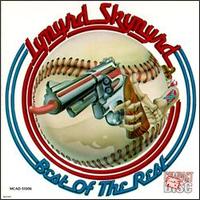
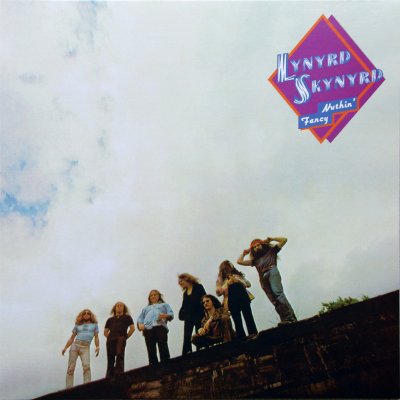
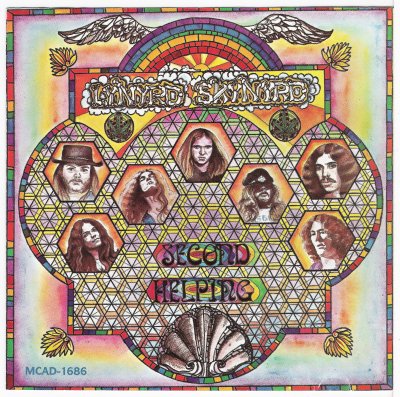
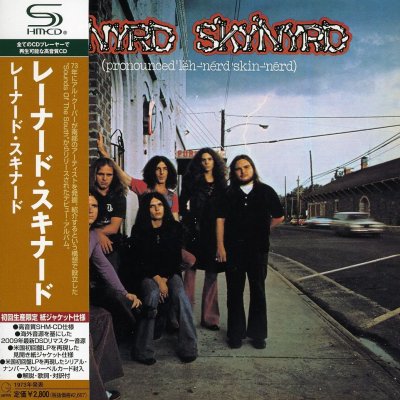
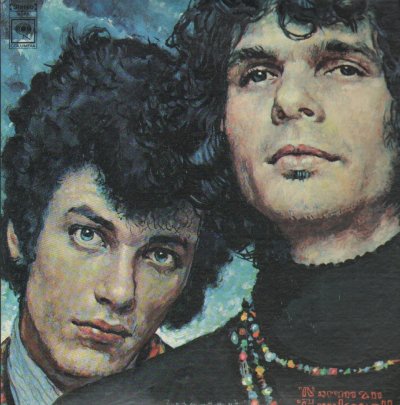
Kooper, born in Brooklyn, grew up in Hollis Hills, Queens, New York. His first musical success was as a fourteen-year-old guitarist in The Royal Teens, best known for their 1958 ABC Records novelty twelve-bar blues riff, "Short Shorts". In 1960, he joined the songwriting team of Bob Brass and Irwin Levine, and wrote "This Diamond Ring", which became a hit for Gary Lewis and the Playboys. When he was twenty-one, Kooper moved to Greenwich Village. He performed with Bob Dylan in concert in 1965, and in the recording studio in 1965 and 1966, including playing Hammond organ with Dylan at the Newport Folk Festival in 1965. Kooper also played the Hammond organ riffs on Dylan's "Like a Rolling Stone". It was in those recording sessions that Kooper met and befriended Mike Bloomfield, whose guitar-playing he admired. He worked extensively with Bloomfield for a number of years. Kooper played organ once again with Dylan during his 1981 world tour. Kooper joined The Blues Project as their keyboardist in 1965, leaving the band shortly before their gig at the Monterey Pop Festival in 1967. He formed Blood, Sweat & Tears in 1967, leaving after the group's first album, Child Is Father to the Man, due to creative differences in 1968. He recorded Super Session with Bloomfield and Stills in 1968 as well, and in 1969 he collaborated with 15-year-old guitarist Shuggie Otis on the album Kooper Session. In 1975 he produced the debut album by The Tubes. Kooper has played on hundreds of records, including ones by The Rolling Stones, B. B. King, The Who, The Jimi Hendrix Experience, Alice Cooper, and Cream. On occasion, he has even overdubbed on his own efforts, as on The Live Adventures of Mike Bloomfield and Al Kooper and on other albums, as "Roosevelt Gook". After moving to Atlanta in 1972, he discovered the band Lynyrd Skynyrd, and produced and performed on their first three albums, including the single "Sweet Home Alabama" and "Free Bird". Kooper also wrote the score for the TV series Crime Story and the film The Landlord and has also written music for several made-for-television movies. He was also the musical force behind many of the children series "Banana Splits" pop tunes, including "You're the Lovin' End." Kooper has published a memoir, Backstage Passes: Rock 'n' Roll Life In The Sixties (1977), now available in revised form as Backstage Passes & Backstabbing Bastards: Memoirs of a Rock 'N' Roll Survivor (1998). The latter includes indictments against "manipulators" within the music industry, including his one-time business manager, Stan Polley. His status as a published author enabled him to join (and act as musical director of) the Rock Bottom Remainders, a band made up of writers including Dave Barry, Stephen King, Amy Tan, & Matt Groening. Kooper is currently retired from teaching songwriting and recording production at Berklee College of Music in Boston, and plays weekend concerts with his bands The ReKooperators and The Funky Faculty. In 2008, he participated in the production of the album Psalngs, the debut release of Canadian musician John Lefebvre. [edit]"Like a Rolling Stone" session As chronicled in the 2005 Martin Scorsese documentary film, No Direction Home: Bob Dylan for the PBS American Masters Series, Kooper's most notable playing with Dylan is the organ parts on "Like a Rolling Stone". Kooper had been invited to the session as an observer, and hoped to be allowed to sit in on guitar, his primary instrument. Kooper uncased his guitar and began tuning it. After hearing Mike Bloomfield, the hired guitarist for the sessions, warming up in the room, Kooper concluded that Bloomfield was a much better guitarist, so Kooper put his guitar aside and retreated into the control room. As the recording sessions progressed, keyboardist Paul Griffin was moved from the Hammond organ to piano. Kooper quickly suggested to producer Tom Wilson that he had a "great organ part" for the song (which he later confessed was just a ruse to play in the session), and Wilson responded, "Al, you're not an organ player, you're a guitar player", but Kooper did not retreat this time. Before Wilson could explicitly reject Kooper's suggestion, Wilson was interrupted by a phone call in the control room. Kooper immediately went into the studio and sat down at the organ, though he had rarely played organ before the session. Wilson soon returned, and was shocked to find Kooper in the studio. By this time, Kooper had been playing along with Dylan and crew, his organ can be heard coming in an eighth-note just behind the other members of the band, as Kooper followed to make sure he was playing the right chords. During a playback of tracks in the control room, when asked about the organ track, Dylan was emphatic: "Turn the organ up!"
Discography
Credits
Ranked #1,401 of 14,615 producers — 874.60 career Groove across 12 records.