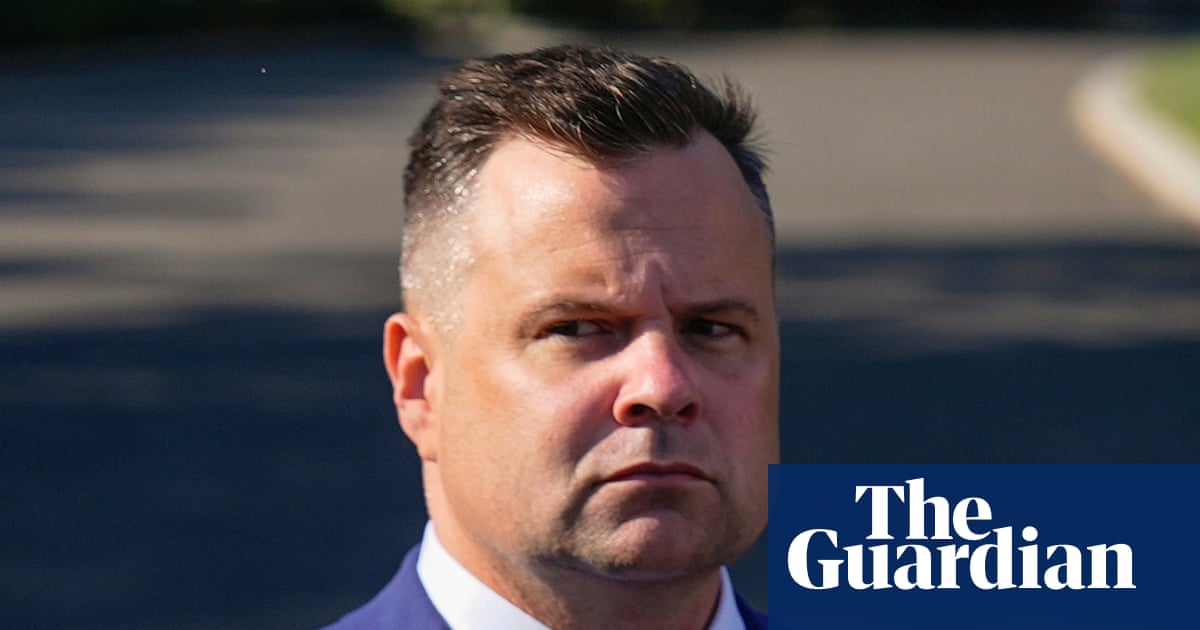
Bill Pulte, also head of the Federal Housing Finance Agency, speaks to reporters at the White House on 24 July 2025. Photograph: Julia Demaree Nikhinson/APView image in fullscreenBill Pulte, also head of the Federal Housing Finance Agency, speaks to reporters at the White House on 24 July 2025. Photograph: Julia Demaree Nikhinson/APTrump to meet House speaker as pressure mounts over surveillance law deadlineSection 702 renewal stalls amid dispute over Bill Pulte’s role as acting intelligence chief and leadership vacuum
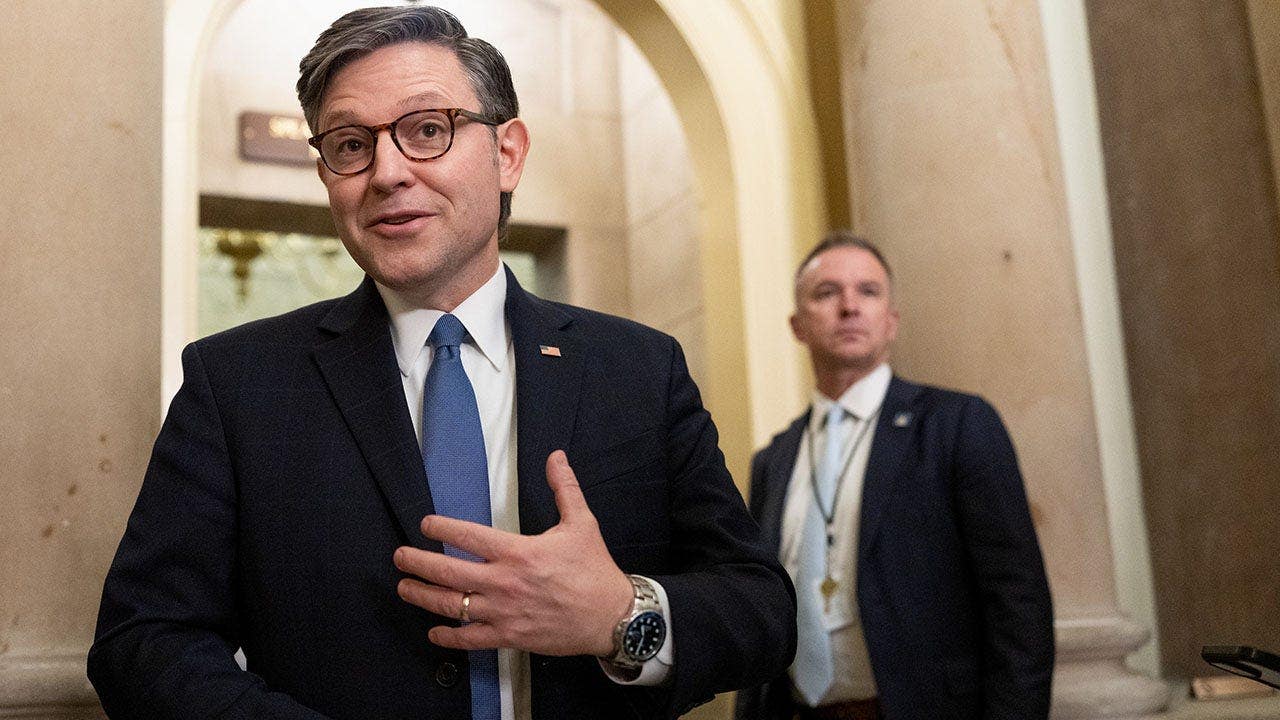
Donald Trump is reportedly set to meet with the House speaker, Mike Johnson, at the White House on Tuesday as pressure mounts on the president to nominate a permanent director of national intelligence, the step some Republicans now believe is the only way to save a controversial and powerful surveillance law before it expires by the end of the week.
At stake is section 702 of the Foreign Intelligence Surveillance Act, a post-9/11 authority that allows US intelligence agencies to collect the communications of foreign targets overseas without a court warrant. While the program is intended to target non-Americans abroad, it can also sweep up communications involving Americans. This powerful and contentious spy tool is set to expire at midnight on Thursday.
What that deadline does not mean, however, is that the surveillance program itself will go dark. The Fisa court issued a yearlong certification authorizing section 702 collection through approximately March 2027, and the statute contains a provision allowing collection to continue under that order even if the law lapses.
While there is often a crisis when it comes to reauthorizing the surveillance powers with some reforms, the latest issue traces back to Trump’s decision to install Bill Pulte, a housing finance official and political loyalist with absolutely no intelligence background, as the acting director of national intelligence earlier this month.
The move immediately collapsed a three-year bipartisan renewal deal, and all Senate Democrats but Pennsylvania’s John Fetterman voted to block the legislation. Seven Republicans also opposed the bill on civil liberties grounds, meaning neither a long-term nor a short-term patch currently has the 60 votes needed to keep the powers alive.
The Senate majority leader, John Thune, said on Monday that a credible permanent nominee was now the most plausible route out of the impasse.
“The administration probably, at some point, is going to have to come up with a permanent nominee that will be viewed by at least enough Democrats as sufficient to get their support,” he told Punchbowl News.
The sobering scale of the damage was made plain in an earlier letter sent to the secretary of state, Marco Rubio, by two of the Senate’s most hawkish Republicans, intelligence committee chair, Tom Cotton, and judiciary committee chair, Chuck Grassley, both of whom spent months trying to get the bill passed.
Writing “with regret”, they asked Rubio to prepare the administration for a “potential significant gap in foreign intelligence collection”. In their letter, they “strongly urge” the secretary to “identify all intelligence targets on which the United States may lose valuable intelligence information” without the tool.
They also called on the White House to draw up a contingency executive order to limit the disruption if the authority lapses. The letter made no mention of the Fisa court’s existing yearlong certification, which already provides the legal basis for continued collection.
One Senate aide familiar with the reauthorization discussions noted that Cotton’s office, which introduced the 702 reauthorization bill, has not engaged with Democrats on any possible Fisa reforms.
While attention has centered on the DNI vacancy, the attorney general is also one of the secretary’s responsible for overseeing section 702, including approving surveillance targeting procedures and supervising the FBI’s use of 702-derived information. That role is currently held by Todd Blanche, acting attorney general and a former Trump defense attorney with little national security experience, which raises questions about how much influence a change at the DNI would have on the program’s operation.
Complicating matters further, White House officials have been using the standoff to advance a longstanding push to dramatically shrink or abolish the office of the director of national intelligence altogether. That would mean Trump simply does not replace Pulte’s predecessor, Tulsi Gabbard, when she departs at the end of the month.
Mark Warner, a Virginia Democrat and the vice chair on the intelligence committee, said on Sunday that Pulte’s lack of credentials made Democratic votes almost impossible to secure.
“The idea that we’re going to allow Mr. Pulte to be potentially in charge of how this tool is used or manipulated, that’s going to be a very uphill path to convince Democrats,” Warner said on CNN. “This was a self-inflicted harm.”